Beat the Heat: Summer Hydration Tips for Northlake Pets


Beat the Heat: Summer Hydration Tips for Northlake Pets
As temperatures climb in Northlake and the surrounding communities, pet owners often find themselves worrying about how their dogs and cats will cope with the Texas heat. At Canyon Falls Veterinary Hospital, we understand how crucial it is to keep your pet cool and well-hydrated throughout the summer months. Whether you’re spending afternoons at the park, enjoying a backyard barbecue, or simply relaxing at home, ensuring your pet has enough water and protection from the heat is essential for their health and comfort. In this blog, we’ll share expert hydration tips, help you recognize the warning signs of dehydration, and explain how to keep your pet safe all season long. Our experienced veterinary team in Northlake, TX is committed to helping your pets thrive, even in the hottest Texas summers.
Recognizing Dehydration: Signs Your Pet May Be at Risk
Pets cannot tell us when they’re thirsty or feeling the effects of heat, so it’s up to you to watch for early warning signs. Dehydration in dogs and cats can develop quickly, especially during periods of high heat and humidity. Common signs include increased panting, dry or sticky gums, sunken eyes, lethargy, and a loss of skin elasticity. Pets may also seem weak, have a reduced appetite, or be less interested in play and activity. In cats, dehydration might show up as less frequent grooming, dull or matted fur, or hiding more often than usual.
You might notice your dog seeking shade or drinking more frequently, or your cat avoiding sunny spots they usually love. When these behaviors crop up, they are your pet’s way of telling you they need help staying hydrated. During the hottest months, especially August, it’s important to check your pet’s water bowl regularly and observe their daily routine for any changes.
Why Dehydration Happens: Understanding the Risks in Texas Summers
Dehydration is more than just feeling thirsty; it occurs when your pet loses more fluids than they can take in. In the Northlake area, high daytime temperatures, intense sun, and even brief outdoor activities can lead to excessive fluid loss through panting, sweating (mainly through their paw pads), and urination. Dogs that love long walks or energetic play outdoors, as well as cats that enjoy sunbathing on the windowsill, are all at risk when the heat rises.
Risk factors include age, breed, and overall health. Puppies, kittens, senior pets, and those with underlying health conditions are especially vulnerable. Brachycephalic breeds like Bulldogs, Pugs, and Persians are at higher risk because their short noses make it harder to cool themselves efficiently. Even indoor pets can become dehydrated if their environment is too warm or if they have limited access to clean, fresh water.
Summer also brings extra challenges such as increased exercise, travel, and changes in household routines. When routines shift, pets may forget to drink or may not have access to their usual water sources. Understanding how dehydration develops helps pet owners take proactive steps before their pet’s health is compromised.
Treatment and Professional Support for Dehydrated Pets
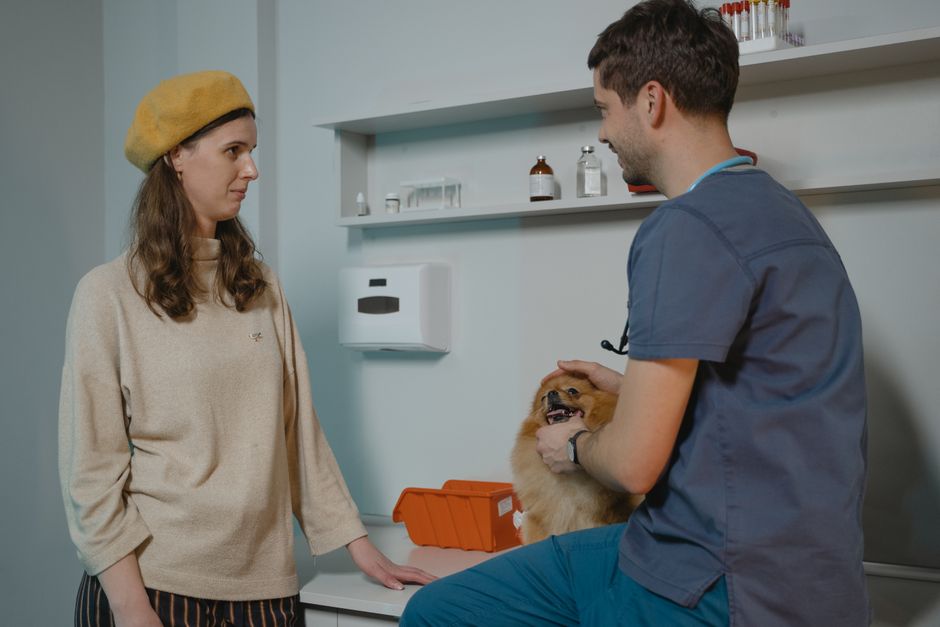
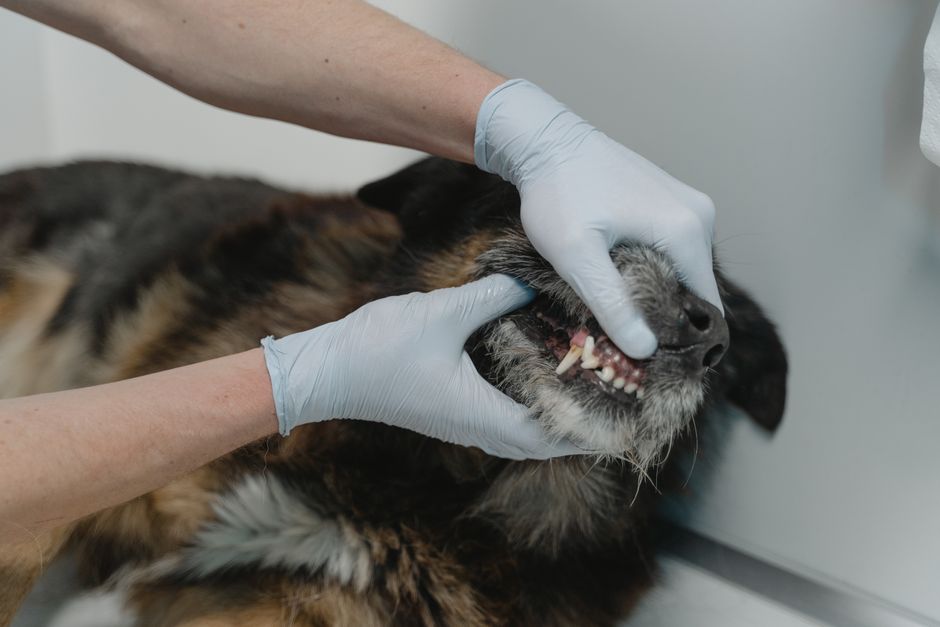
If you suspect your pet is dehydrated, prompt action is essential. Mild dehydration can sometimes be managed at home by encouraging your pet to drink and moving them to a cooler environment. However, moderate to severe cases require professional care. At Canyon Falls Veterinary Hospital, our veterinary team is trained to assess your pet’s hydration levels and overall health. During a wellness and preventive care exam, we can identify subtle symptoms that might go unnoticed at home.
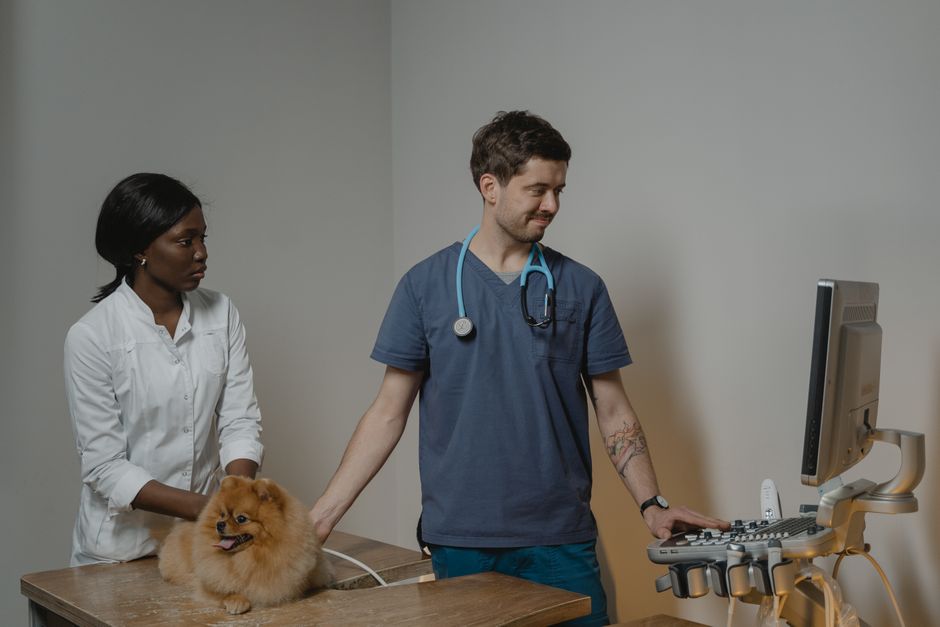
When dehydration is confirmed, treatment approaches involve replacing lost fluids and addressing any underlying issues. This often includes administering fluids under the skin or intravenously in more serious cases. Diagnostic laboratory testing may be recommended to check for complications such as electrolyte imbalances or kidney concerns. Our diagnostic laboratory services are designed to detect dehydration-related health issues quickly, ensuring your pet receives the right care without delay.
Severely dehydrated pets, especially those with vomiting, diarrhea, or heatstroke, may require hospitalization for close monitoring and supportive therapy. Our compassionate approach ensures your pet is treated with the utmost care and comfort during their recovery.
Prevention and Home Hydration Strategies for the Summer
The good news is that most cases of dehydration are preventable with a few simple steps. First, always provide multiple bowls of fresh, clean water throughout your home and yard, especially in areas where your pet spends most of their time. Change the water frequently to keep it cool and appealing. Some pets enjoy drinking from pet fountains, which can encourage better hydration, especially in cats who may be finicky drinkers.
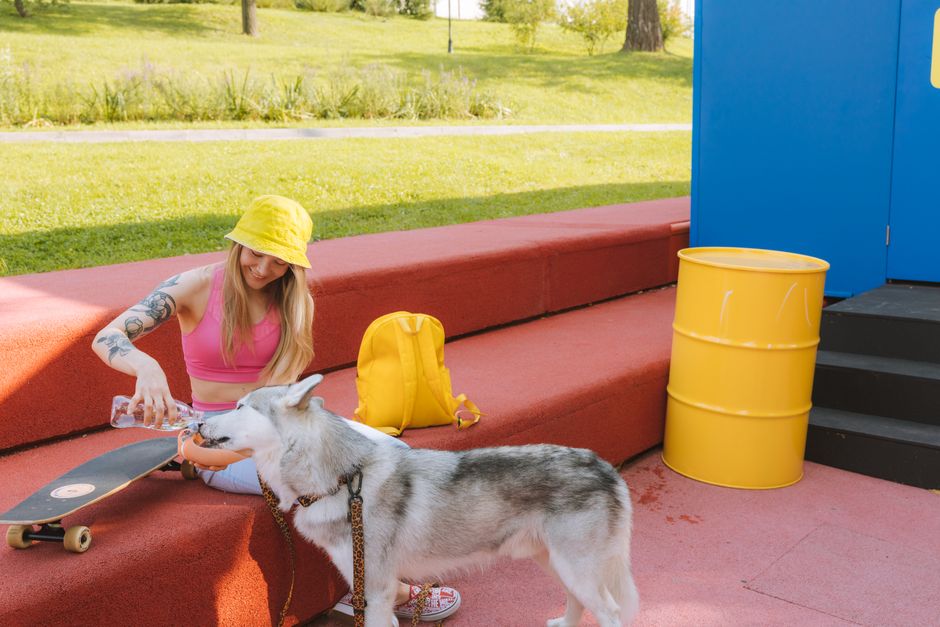
During outdoor activities, bring water with you for both you and your pet, and encourage frequent breaks in shaded or air-conditioned areas. Walk dogs early in the morning or later in the evening when temperatures are lower, and keep exercise sessions short on especially hot days. For cats, ensure indoor environments remain cool by using fans, air conditioning, or shaded window coverings.
Feeding wet food or adding water or broth to dry kibble can also help boost your pet’s fluid intake. Always check with your veterinarian before making dietary changes, particularly if your pet has specific health needs. For pets with chronic illnesses or those on medication, discuss hydration strategies during your next veterinary visit to ensure their unique needs are met.
If you need supplies such as electrolyte solutions or prescription diets that support hydration, our online pharmacy services make it convenient to access what your pet needs, right from home.
When to Schedule a Veterinary Visit for Dehydration Concerns
Knowing when to seek veterinary care can make all the difference for your pet’s health and comfort. If you notice persistent symptoms of dehydration, such as ongoing lethargy, vomiting, diarrhea, refusal to drink, or dry, tacky gums, it’s important to schedule an appointment promptly. Pets that are very young, elderly, or have underlying health conditions should be seen as soon as possible if dehydration is suspected.
Heatstroke is a medical emergency; if your pet collapses, has trouble breathing, or shows signs of confusion or seizures, seek immediate veterinary attention. Our team at Canyon Falls Veterinary Hospital is here to provide thorough assessments, supportive care, and personalized recommendations to get your pet back on track.
During routine checkups, ask our veterinarians about hydration, summer safety, and preventive wellness plans tailored to your pet’s lifestyle. Regular comprehensive pet exams can help catch early signs of dehydration or related conditions before they become serious.
Keeping Your Pet Safe and Comfortable All Summer Long
Summer in Texas can be challenging, but with a few proactive steps, you can keep your dog or cat healthy, comfortable, and hydrated all season. Regularly check your pet’s water, offer plenty of shade, and avoid intense activity during the hottest parts of the day. Stay alert for early warning signs of dehydration, and don’t hesitate to reach out if you have concerns.
If you’re searching for a veterinarian near me who understands the unique needs of pets in Northlake and surrounding communities, the caring team at Canyon Falls Veterinary Hospital is ready to help. Schedule an appointment at our modern facility at 7251 Canyon Falls Dr, Suite 201, Northlake, TX 76226 or give us a call at (972) 559-9500 to discuss your pet’s hydration, summer safety, or any other health concerns. Our veterinary professionals are dedicated to providing the best possible care for your beloved companions, now and throughout every season.
For more information on keeping your pet healthy this summer, or to schedule a preventive care visit, contact us today. Let’s work together to make this a safe, happy, and hydrated summer for your furry family members.