Cold Weather Pet Care Tips for Northlake, TX


Cold Weather Pet Care Tips for Northlake, TX
As winter approaches in Northlake, TX, pet owners often wonder how to keep their furry friends safe and comfortable during the colder months. Even though the region is known for its mild winters, unexpected cold snaps and frosty mornings can pose unique challenges for both indoor and outdoor pets. At Canyon Falls Veterinary Hospital, our team of veterinarians understands how important it is to adjust your pet’s care routine as temperatures drop. In this blog, we’ll cover essential cold weather pet care tips, including how to safeguard your pet from seasonal risks, recognize signs of weather-related health issues, and maintain their comfort and wellbeing throughout winter. You’ll also discover why scheduling a wellness examination can help catch early signs of cold weather health concerns before they become serious. Whether you’re searching for the best "vet near me" or looking for practical advice on Northlake TX pet safety, Canyon Falls Veterinary Hospital is here to guide you and your pet with compassionate, comprehensive care right here at 7251 Canyon Falls Dr, Suite 201, Northlake, TX 76226.
Recognizing Cold Weather Problems in Northlake, TX Pets
Signs Your Pet May Be Struggling with the Cold
Pets often show subtle signs when they are uncomfortable or at risk due to dropping temperatures. Common indications that a pet is too cold include persistent shivering, seeking warm places, reluctance to go outdoors, and appearing lethargic. For dogs and cats, cold ears, paws, or tails can signal that their body temperature is dropping. In some cases, pets may vocalize more than usual or resist walks, especially during early mornings or late evenings when temperatures are lowest. For outdoor pets or those who spend time in the yard, look for signs such as limping, slow movements, or visible discomfort when coming inside. Northlake TX pet safety concerns also extend to exotic pets and senior animals, who may be more sensitive to temperature changes and could show symptoms like changes in appetite, breathing difficulties, or worsening of chronic conditions.
Risk Factors to Consider in Northlake’s Winter
While Northlake’s winters are usually milder than those up north, the region can still experience icy conditions, freezing rain, and occasional snow. Rapid weather changes and unexpected cold fronts are not uncommon. Pets that are short-haired, small, elderly, or have underlying health conditions are at higher risk for cold-related problems. Additionally, outdoor cats, dogs used to mild climates, and pets with thin body condition may need extra attention. Recognizing these risk factors is the first step toward effective cold weather pet care in Northlake, TX.
Why Do Pets Struggle with Cold Weather?
The Science Behind Cold Stress in Pets
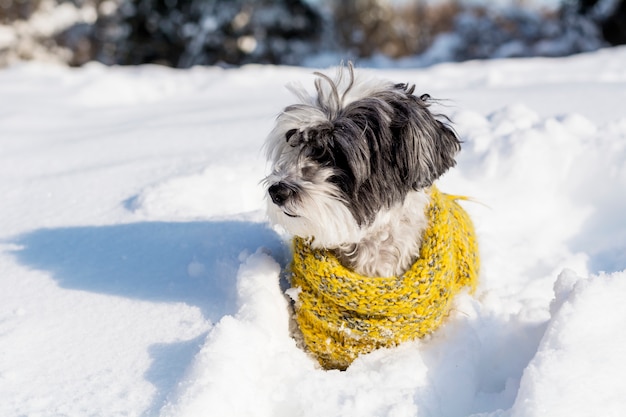
Dogs and cats rely on their fur, body fat, and natural behaviors to regulate temperature. However, not all breeds have the same tolerance for cold. Breeds with thick, double-layered coats may handle chilly temperatures better, while short-haired or hairless breeds can become cold very quickly. Puppies, kittens, and senior pets are less able to regulate their body heat, making them more vulnerable to cold stress.
When exposed to low temperatures, pets expend extra energy to maintain their core body temperature. If they remain cold for too long, they may experience hypothermia or frostbite. Hypothermia occurs when a pet’s body temperature drops below normal, which can affect their heart, lungs, and other vital organs. Frostbite, although less common in Northlake, can still occur on exposed skin such as ear tips, paw pads, and the tail, especially during unexpected freezes.
Environmental Hazards Unique to Northlake, TX
Seasonal hazards in Northlake include sudden ice storms, freezing rain, and chilly winds. Frozen ground or icy patches can also increase the risk of slips and injuries, particularly for older pets or those with joint issues. For pets that go outside, de-icing salts and other chemicals used on walkways can irritate paw pads, while antifreeze spills are extremely dangerous if ingested. Understanding these environmental risks is crucial for effective Northlake TX pet safety during the winter.
How Canyon Falls Veterinary Hospital Supports Cold Weather Pet Care
Professional Veterinary Services for Winter Health
Canyon Falls Veterinary Hospital offers a range of services to help keep your pet healthy throughout the colder months. Scheduling a wellness examination allows our veterinary professionals to check for early signs of cold-related health issues, such as arthritis flare-ups, respiratory concerns, or dental discomfort that can worsen in winter. Our diagnostic laboratory services, digital radiology, and ultrasonography can help identify underlying issues that may affect your pet’s ability to cope with cold weather.
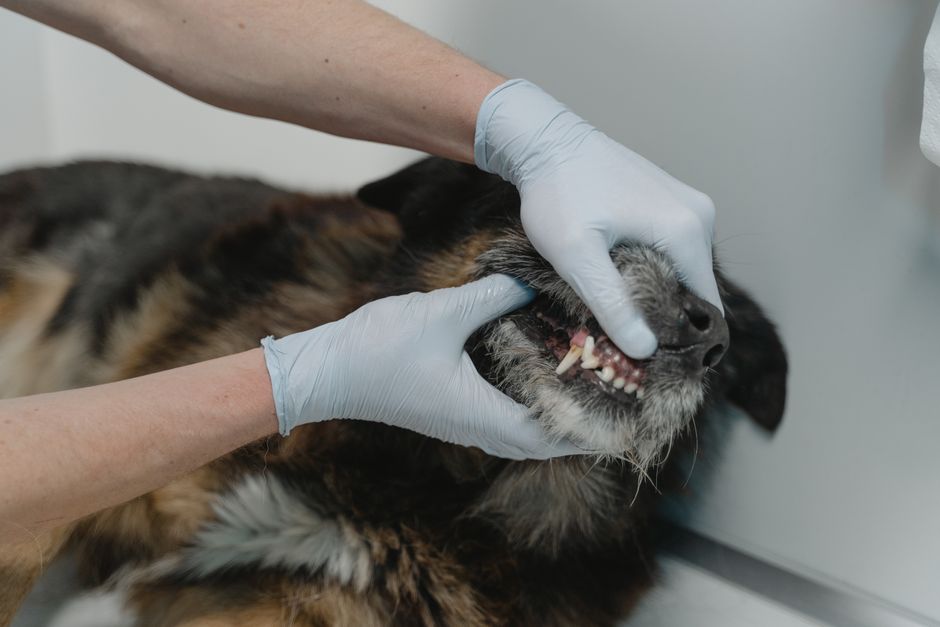
For pets with chronic conditions or those recovering from surgery, we provide individualized care plans to manage pain and mobility, which are often impacted by chilly weather. Our dental care services are especially important in winter, as dental disease can cause discomfort that may be aggravated by cold air. If your pet is showing signs of limping, joint stiffness, or unusual behavior, our team can assess for possible orthopedic issues and recommend appropriate treatment options.
Managing Behavior and Routine During Winter
Cold, wet weather can disrupt your pet’s usual exercise and potty routines, potentially leading to anxiety or behavioral changes. If your pet begins to show signs of stress or develops new behaviors, such as indoor accidents or excessive barking, our behavior consultation services can help you address these concerns. Our veterinarians are experienced in creating customized plans that keep your pet mentally and physically engaged, even when outdoor time is limited.
Practical Cold Weather Pet Care at Home
Creating a Safe and Comfortable Environment
At home, there are several steps you can take to help your pet stay warm and healthy during winter. Keeping your pet indoors during particularly cold or wet spells is one of the most effective ways to prevent hypothermia and frostbite. For outdoor breaks, try to limit exposure during the coldest parts of the day and provide a warm, dry shelter if your pet must spend time outside. Ensure that bedding is clean, dry, and raised off cold floors to reduce heat loss.
For dogs and cats, adjusting meal portions may be necessary, as some pets burn more calories staying warm. Always provide fresh, unfrozen water, and make sure food and water bowls are not placed on icy or cold surfaces. Consider using pet-safe heating pads or blankets for older pets, and check your pet’s paws after walks for signs of ice, salt, or irritation. Northlake TX pet safety also includes monitoring for accidental ingestion of toxic substances like antifreeze, which can be fatal even in small amounts.
Exercise and Enrichment During Colder Months
Maintaining your pet’s mental and physical activity indoors is key to reducing stress and preventing weight gain. Indoor play sessions, puzzle feeders, and short, supervised walks during milder periods can help keep pets happy and healthy. For pets who dislike the cold, interactive toys and obedience training exercises offer alternative ways to expend energy and stay engaged. If you notice your pet becoming restless or bored, consult our team for additional winter enrichment ideas tailored to your pet’s personality and needs.
When to Seek Veterinary Care for Cold Weather Concerns
Warning Signs That Require Immediate Attention
While many pets adapt well to seasonal changes, certain symptoms should prompt a call to your veterinarian. Key warning signs include persistent shivering, lethargy, weakness, pale gums, or difficulty breathing. If your pet is limping, refusing to eat, or showing changes in behavior that do not resolve with basic home care, it is important to schedule an appointment promptly. Frostbite may be suspected if you notice pale or blue-tinged skin, especially on the ears, tail, or paws, and hypothermia can present as confusion, weakness, or unresponsiveness.
Pets with chronic medical conditions, such as heart disease, arthritis, or diabetes, are more vulnerable to the effects of cold weather and may need more frequent check-ups. If you are unsure whether your pet’s symptoms warrant a visit, our veterinary team is always available to answer questions and provide guidance. For more information about our services, explore our wellness and preventive care options or contact us directly for personalized support.
The Importance of Regular Check-Ups in Winter
Proactive veterinary care is the best way to ensure your pet remains healthy and resilient throughout the winter. Scheduling regular wellness visits allows our veterinarians to monitor your pet’s health, adjust care plans as needed, and address any seasonal challenges before they become serious. If your pet has not had a recent health evaluation or you are concerned about their ability to cope with winter weather, now is the ideal time to reach out to our team at Canyon Falls Veterinary Hospital.
Your Partner for Cold Weather Pet Care in Northlake, TX
As temperatures fluctuate in Northlake and surrounding communities, keeping your pet comfortable and safe during winter is a top priority. By recognizing the signs of cold stress, taking preventive measures at home, and seeking professional veterinary care when needed, you can help your furry companion thrive all season long. Our compassionate team at Canyon Falls Veterinary Hospital is committed to providing quality veterinary services near me, whether you need a winter wellness check, advice on indoor enrichment, or support for chronic conditions.
If you have questions about cold weather pet care in Northlake, TX, or want to schedule a comprehensive exam, we invite you to contact our veterinary professionals today at (972) 559-9500 or visit us at 7251 Canyon Falls Dr, Suite 201, Northlake, TX 76226. For more details on keeping your pet healthy year-round, explore our wellness examination services or speak with a veterinarian near me who truly cares about your pet’s wellbeing. Your pet’s comfort and safety are always our priority, and we look forward to being your trusted resource for Northlake TX pet safety throughout the winter and beyond.
For further reading on cold weather pet care, visit the American Veterinary Medical Association’s winter safety page here and always consult your veterinarian for advice specific to your pet’s needs.