Decoding Lethargy in Pets: When to Get Veterinary Help



Decoding Lethargy in Pets: When to Get Veterinary Help
Is your pet suddenly less interested in playtime, slow to greet you at the door, or sleeping far more than usual? As a pet owner, noticing your beloved companion acting tired or withdrawn can be concerning. Lethargy in pets is a common reason for visits to the veterinarian, and while it sometimes points to mild issues like a busy day or hot weather, it can also signal underlying health problems that require prompt attention.
At Canyon Falls Veterinary Hospital, located at 7251 Canyon Falls Dr, Suite 201, Northlake, TX 76226, our experienced veterinary team is here to help families in Northlake and surrounding communities understand the causes of pet lethargy and determine when it is time to schedule a professional evaluation. In this guide, we will cover the most common pet lethargy causes, how to recognize when your pet needs a thorough diagnostic exam, and the steps you can take to support your pet’s well-being.
If you are searching for a "vet near me" who values compassionate, low-stress care and offers advanced pet diagnostics in Northlake, you are in the right place. Keep reading to learn more about what lethargy means, what might be behind your pet’s symptoms, and how our veterinary professionals can help.
For pet owners concerned about sudden changes in energy or behavior, our veterinary team recommends regular wellness and preventive care visits to catch potential problems early and safeguard your pet’s health.
Understanding Pet Lethargy: Recognizing the Signs
Noticing a change in your pet’s energy level can be subtle or quite dramatic. Lethargy is a general term that describes a state of uncharacteristic tiredness, sluggishness, or decreased activity. Sometimes, what appears to be a lazy afternoon nap is nothing to worry about; however, persistent or severe lethargy often warrants a closer look.
Key symptoms of lethargy include a noticeable reluctance to engage in favorite activities, excessive sleeping at times when your pet is usually awake, a lack of response to stimuli such as toys or treats, and a general sense of weakness or slow movement. Other signs that may accompany lethargy are reduced appetite, hiding or avoiding social interaction, and changes in normal vocalization or posture. For example, a dog who usually greets you enthusiastically at the door but now barely gets up, or a cat who spends most of the day under the bed and does not come out for meals, might be showing early warning signs.
As every pet’s personality and routines are unique, it is important to distinguish between normal tiredness after a day of play and troubling decreases in activity. If you are unsure, consider whether your pet’s energy level has changed significantly compared to their usual behavior.
Common Causes of Lethargy in Pets
When your pet seems less lively, you may wonder what could be causing this change. Pet lethargy causes are numerous and can range from mild, temporary issues to serious medical conditions. Understanding the most common causes will help you make informed decisions about your pet’s care.
Some of the most frequent reasons pets become lethargic include underlying infections such as canine parvovirus, feline upper respiratory infections, or tick-borne diseases. Chronic medical conditions like diabetes, kidney disease, or heart problems can also sap your pet’s energy. Pain from arthritis, dental disease, or injury often leads to reduced movement and avoidance of normal activities. Additionally, pets may feel lethargic due to emotional stress, anxiety, or depression, especially after changes in the household or routine.
In Northlake and surrounding communities, seasonal allergies, heat exhaustion, or exposure to local environmental toxins are additional factors to consider. For example, on hot Texas summer days, dogs may be more lethargic in an effort to avoid overheating, while cats might become less active in response to changes in the home environment.
Sometimes, the source of your pet’s lethargy is not immediately obvious and may involve a complex interplay of physical and emotional factors. That is why a comprehensive veterinary evaluation using advanced diagnostic laboratory services in Northlake can be so valuable. Our team may recommend diagnostic laboratory testing, digital radiology, or ultrasound imaging to get to the bottom of your pet’s symptoms.
Diagnostic Approach and Treatment Options
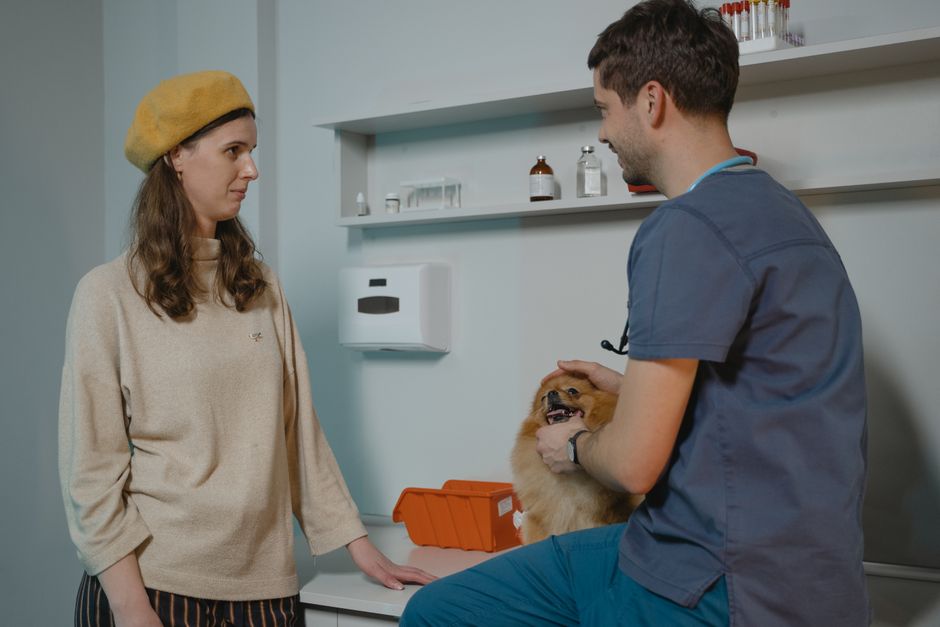
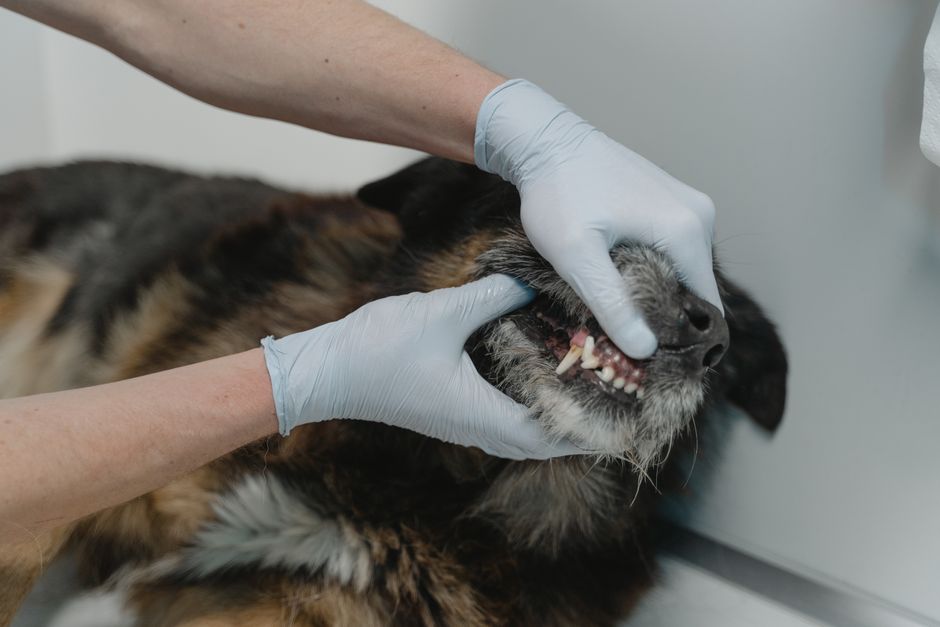
When you bring your pet to our veterinary hospital for a lethargy evaluation, our first step is a thorough physical examination. We will ask about your pet’s recent activity, appetite, any changes in behavior, and exposure to new environments or animals. Our veterinarians will check for fever, dehydration, pain, and other abnormalities on exam.
Depending on your pet’s individual situation, we may recommend further diagnostic tests. These can include bloodwork to check for anemia, infection, or organ dysfunction; urinalysis to detect kidney problems or diabetes; x-rays to look for injuries or internal issues; and ultrasound imaging to assess organs like the liver, spleen, or heart. By using our advanced pet diagnostics in Northlake, we can quickly narrow down potential causes and create a tailored treatment plan.
Treatment for pet lethargy depends entirely on the underlying cause. For mild cases related to stress or minor illness, supportive care and rest may be sufficient. If infection is detected, appropriate medication will be prescribed. Pets with pain from arthritis or injury may benefit from pain management and rehabilitation. Chronic conditions like diabetes or kidney disease require ongoing management, which our veterinary team will guide you through. In rare instances, if a life-threatening condition is identified, immediate intervention or hospitalization may be necessary.
Throughout your pet’s treatment, we prioritize open communication and a gentle, low-stress approach so your companion feels comfortable and safe in our care.
Prevention and Home Care for Lethargic Pets
While not all cases of lethargy can be prevented, there are proactive steps you can take to reduce your pet’s risk. First and foremost, regular wellness and preventive care visits with your veterinarian are essential. Routine check-ups allow early detection of medical issues before they progress to more serious symptoms.
Keeping your pet up to date on vaccination services helps protect against infectious diseases that can cause lethargy. Ensuring your pet is on a year-round parasite prevention plan can also reduce the risk of illnesses transmitted by fleas, ticks, or mosquitoes. For pets with chronic health conditions, following your veterinarian’s management recommendations is key.
At home, monitor your pet’s appetite, activity level, and bathroom habits. Provide a balanced diet, access to clean water, and mental enrichment through play and interactive toys. During periods of high heat in Northlake, offer plenty of shade and avoid strenuous exercise during the hottest parts of the day. If your pet seems anxious or stressed, create a calm, predictable environment and consider seeking behavioral consultation if needed.
If your pet has a mild, temporary dip in energy, gentle encouragement and rest are often sufficient. However, always err on the side of caution if lethargy persists or is accompanied by other symptoms.
When to See a Veterinarian: Knowing When Help Is Needed
Determining when to seek veterinary care for a lethargic pet can feel overwhelming. As a general rule, any sudden, severe, or unexplained drop in your pet’s energy level should prompt a call to your veterinarian. Warning signs that indicate immediate evaluation is needed include persistent vomiting or diarrhea, refusal to eat for more than 24 hours, labored breathing, pale gums, collapse, or inability to stand.
For pets with chronic health conditions, even a modest change in energy can signal a complication that needs prompt attention. Older pets, puppies, kittens, and exotic species are especially vulnerable and should be brought in sooner rather than later. If you are ever uncertain, our veterinary professionals are here to help guide your next steps.
At Canyon Falls Veterinary Hospital, we encourage pet owners to schedule a comprehensive pet exam if you notice lethargy, behavioral changes, or any other symptoms that concern you. Our team uses advanced veterinary diagnostics in Northlake to deliver accurate answers and compassionate care.
Supporting Your Pet’s Health at Canyon Falls Veterinary Hospital
Recognizing changes in your pet’s energy level is one of the most important ways you can advocate for their health and happiness. While lethargy may sometimes be a benign response to a busy day or warm weather, it can also signal more serious problems that benefit from early diagnosis and intervention. By staying attentive and proactive, you help your pet enjoy a long, vibrant life.
When you need a veterinarian near me who provides modern, thorough care, Canyon Falls Veterinary Hospital is proud to serve Northlake and surrounding communities. Our veterinary team is committed to building long-term relationships through preventive care, accurate diagnostics, and individualized treatment plans. If you are concerned about your pet’s energy level or behavior, do not wait to seek guidance.
To schedule an appointment for pet diagnostic laboratory services in Northlake or book a complete wellness exam, contact us at (972) 559-9500 or request an appointment online. We look forward to supporting your pet’s health every step of the way.
This blog is for informational purposes only and does not replace the advice of a licensed veterinarian. If your pet is experiencing sudden or severe symptoms, please seek immediate veterinary attention.