How Canyon Falls Ensures Safe Pet Anesthesia


How Canyon Falls Ensures Safe Pet Anesthesia
Worrying about your dog or cat undergoing anesthesia is completely natural for any pet owner. Whether your pet needs a routine dental cleaning, a spay or neuter procedure, or a more complex surgery, questions about anesthesia safety are among the most common concerns we hear at Canyon Falls Veterinary Hospital. Located in the heart of Northlake, TX, and serving families from Argyle, Flower Mound, Lantana, and surrounding communities, our team of veterinarians is committed to providing safe pet anesthesia every step of the way. In this article, we will walk you through our approach to anesthesia safety, the protocols and technology we use, and how we tailor our care to meet your pet’s unique needs. If you want to learn even more about our approach, you can explore our detailed information on safe anesthesia practices for pets at Canyon Falls Veterinary Hospital.
Recognizing When Your Pet Needs Anesthesia
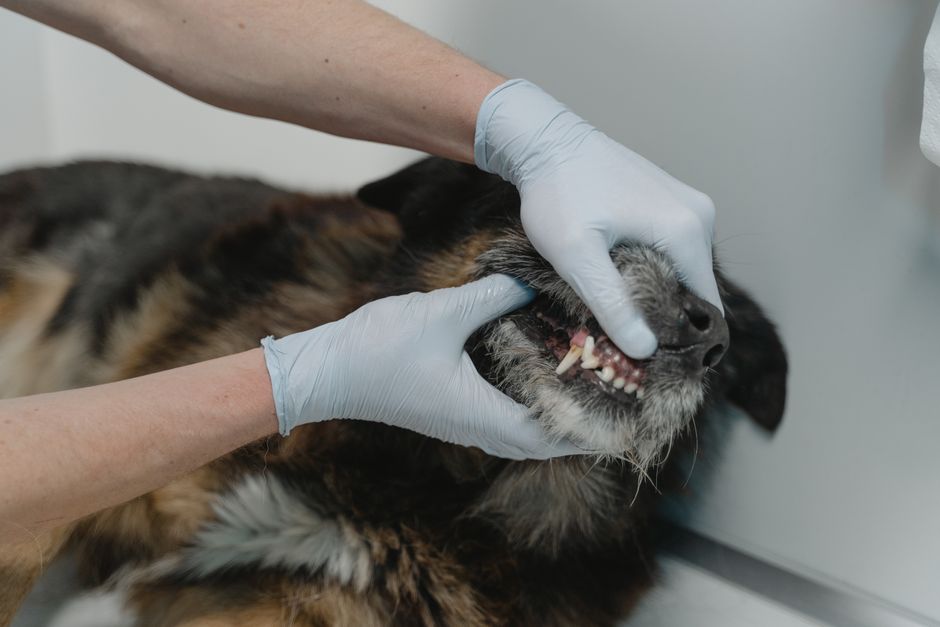
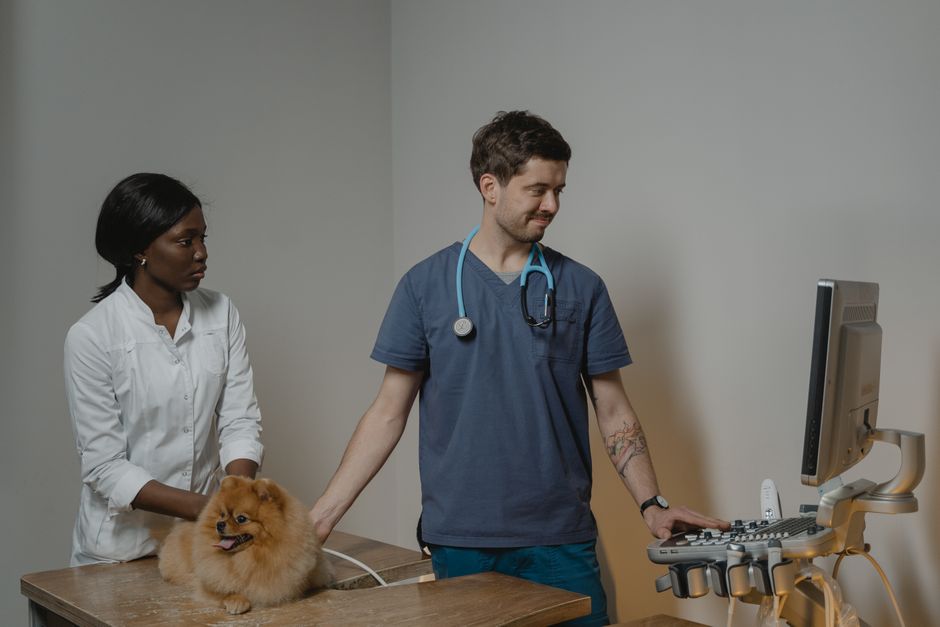
Understanding when anesthesia is necessary can help ease your concerns and prepare you and your pet for what to expect. Most commonly, anesthesia is required for procedures that would otherwise be painful or stressful if your pet were awake. These include routine surgeries like spay and neuter, dental cleanings to address tartar buildup and gum disease, orthopedic repairs, and soft tissue surgeries such as mass removals or bladder stone extractions. Additional scenarios include advanced diagnostic imaging, like ultrasound or certain radiographs, when a pet needs to remain perfectly still.
Signs that your pet may require a procedure involving anesthesia often include a recommendation from your veterinarian after a physical exam or lab tests. Sometimes, you might notice symptoms at home that prompt a visit, such as a persistent limp, difficulty eating, oral odor, or visible lumps. In other cases, anesthesia is planned as part of preventive care, such as annual dental cleanings to protect long-term health. If your veterinarian discusses anesthesia, it is because the benefits of the procedure far outweigh the risks, especially when performed under modern, carefully controlled conditions.
What Makes Anesthesia Necessary and What Are the Risks?
Anesthesia allows your pet to remain pain-free and stress-free during surgical or diagnostic procedures. Modern veterinary anesthesia is extremely safe, particularly when administered by experienced veterinary professionals using advanced protocols and monitoring technology. However, as with any medical procedure, there are risks. These can include rare reactions to anesthetic drugs, changes in heart or respiratory function, and complications in pets with underlying health conditions.
Several factors influence anesthesia risk, including your pet’s age, breed, medical history, and overall health status. For example, older pets or those with heart, kidney, or liver issues may require special consideration. Brachycephalic breeds, such as Bulldogs or Persians, may have unique airway challenges. At Canyon Falls Veterinary Hospital, every anesthetic plan is tailored to your pet’s individual risk profile, and we use comprehensive pre-anesthetic screening to detect any potential concerns before proceeding.
How Canyon Falls Veterinary Hospital Provides Safe Pet Anesthesia
Delivering safe pet anesthesia in Northlake and the surrounding area is a top priority for our team. Our approach incorporates state-of-the-art technology, evidence-based protocols, and compassionate, personalized care.
Comprehensive Pre-Anesthetic Evaluation
Before any anesthesia, your pet receives a thorough pre-anesthetic evaluation. This begins with a complete physical examination to assess overall health. We perform pre-anesthetic bloodwork to evaluate organ function, screen for underlying conditions, and identify any abnormalities that might affect anesthesia safety. In some cases, additional diagnostics such as chest radiographs or heart ultrasounds may be recommended.
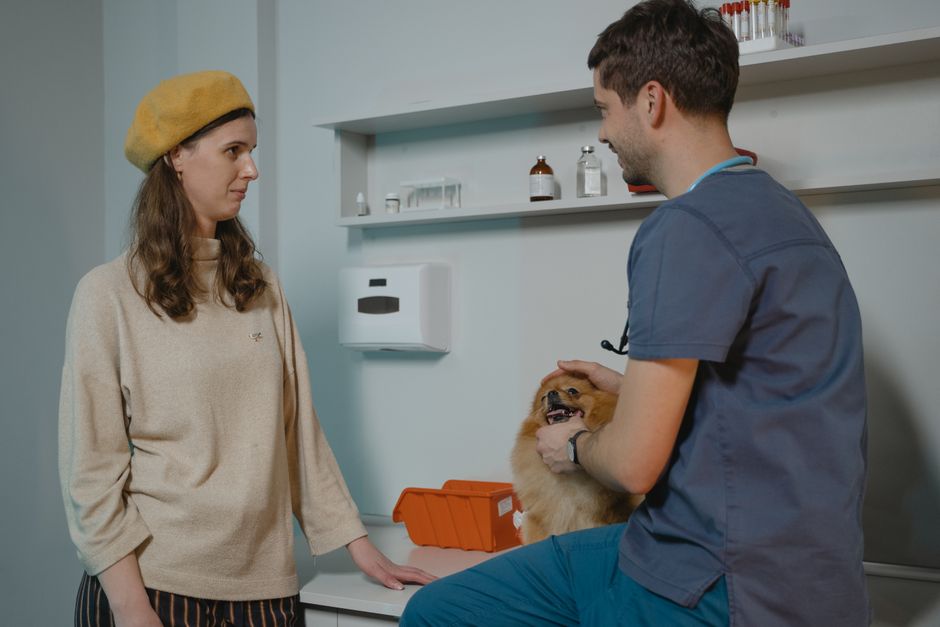
During your consultation, our veterinarians will discuss your pet’s medical history, previous anesthetic experiences, medications, and any concerns you have. This allows us to develop a customized anesthesia plan that minimizes risk and ensures your pet receives the safest care possible.
Advanced Monitoring and Modern Equipment
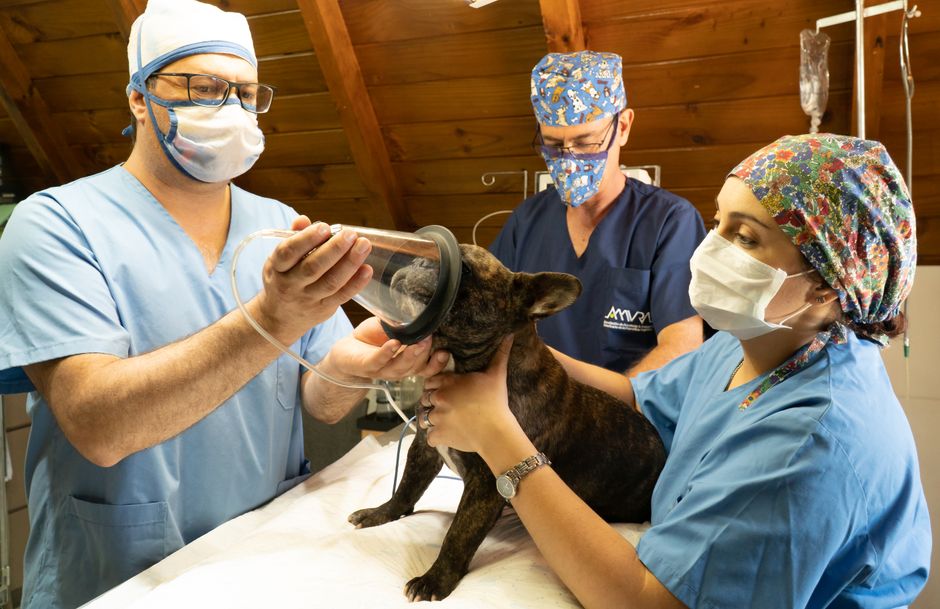
Throughout anesthesia, your pet is continuously monitored by trained veterinary professionals using advanced monitoring equipment. We track vital signs such as heart rate, respiratory rate, oxygen saturation, blood pressure, temperature, and carbon dioxide levels. Our team uses this information to detect and address even subtle changes, ensuring your pet remains stable and comfortable.
Canyon Falls Veterinary Hospital is equipped with modern anesthesia machines, infusion pumps for precise medication delivery, and warming systems to maintain your pet’s body temperature. Our commitment to the latest technology ensures we can provide safe anesthesia for even the most sensitive patients.
Individualized Anesthetic Protocols
There is no one-size-fits-all approach to anesthesia. Each protocol is tailored to your pet’s age, breed, health status, and specific procedure. We carefully select anesthetic drugs that are safest for your pet, often using combinations that allow for lower doses and faster recovery. Pain management is integrated into every step, providing comfort from premedication through recovery.
For more complex or orthopedic procedures, such as cruciate ligament repair or fracture surgery, we follow the same rigorous safety protocols. You can read further about our state-of-the-art surgical facility and advanced procedures to understand how we combine surgical expertise with anesthesia safety.
Dedicated Recovery and Post-Operative Care
Your pet’s safety does not end when the procedure is complete. After anesthesia, our veterinary team monitors your pet closely in a dedicated recovery area. We watch for signs of pain, nausea, or disorientation and provide supportive care as needed. Most pets wake up calmly and comfortably, often ready to go home the same day. Before discharge, we will review home care instructions and let you know what to expect during your pet’s recovery.
What Pet Owners Can Do to Prepare and Prevent Complications
You play an important role in your pet’s anesthesia experience. Following pre-operative instructions from your veterinarian is essential for safe pet anesthesia. This often includes fasting your pet overnight, providing a list of current medications, and reporting any changes in health before the procedure. If your pet is anxious, discuss options for calming strategies or pre-visit medications with our veterinary team.
At home, ensure your pet has a quiet, comfortable space for recovery. Monitor your pet for signs of pain, such as restlessness, vocalizing, or reluctance to move. Other things to watch for include changes in appetite, vomiting, or swelling at the surgical site. Contact us promptly if you notice any of these symptoms.
Routine preventive care, such as yearly checkups and bloodwork, helps maintain your pet’s overall health and can identify issues before surgery is needed. Keeping up with dental care, parasite prevention, and a balanced diet also supports safer anesthesia experiences.
When to Seek Veterinary Care: Understanding What’s Urgent
If your pet is scheduled for anesthesia, keeping open communication with your veterinary team is important. You should notify us immediately if your pet develops vomiting, diarrhea, coughing, sneezing, or any new symptoms before a planned procedure. After anesthesia, contact the clinic if your pet is excessively lethargic, has difficulty breathing, is unable to stand, or experiences uncontrolled pain or bleeding.
Whenever you are unsure whether a symptom is normal or concerning, our veterinarians are here to help. Prompt attention can make a significant difference in your pet’s recovery and long-term wellbeing. We encourage you to reach out with questions at any stage of the process.
Why Choose Canyon Falls Veterinary Hospital for Safe Pet Anesthesia?
Choosing a veterinary hospital for your pet’s anesthesia is an important decision. At Canyon Falls Veterinary Hospital, our commitment to safe pet anesthesia is built on advanced technology, individualized care, and a deeply compassionate approach. Our Northlake facility is designed for your pet’s safety and comfort, and our team of veterinarians regularly updates their knowledge with the latest advancements in veterinary anesthesia.
We understand that peace of mind matters as much as technical expertise. You can trust that your pet is treated with the same care and attention we would give our own companions. If you are searching for a “vet near me” who prioritizes both safety and compassion, our practice is ready to partner with you.
Take the Next Step: Schedule Your Pet’s Safe and Comfortable Procedure
If your dog or cat needs a dental cleaning, surgery, or any procedure requiring anesthesia, we invite you to experience the difference at Canyon Falls Veterinary Hospital. Our safe anesthesia practices for pets are designed to keep your beloved companion comfortable and secure from start to finish. To schedule an appointment, call our friendly team at (972) 559-9500 or visit us at 7251 Canyon Falls Dr, Suite 201, Northlake, TX 76226. We are proud to serve Northlake and surrounding communities with excellence in general veterinary care and safe pet anesthesia. For every procedure, you can count on us to put your pet’s safety and comfort first.
Disclaimer: This article is for informational purposes only and does not replace veterinary advice. Always consult your veterinarian for guidance tailored to your pet’s individual needs.