How Canyon Falls Ensures Safe Pet Anesthesia for Your Pet


How Canyon Falls Ensures Safe Pet Anesthesia for Your Pet
When your dog or cat needs a procedure that requires anesthesia, it is natural to feel anxious about their safety and comfort. At Canyon Falls Veterinary Hospital, located in the heart of 7251 Canyon Falls Dr, Suite 201, Northlake, TX 76226, we understand how important your pet is to your family and how worrisome anesthesia can seem. That is why our veterinary team has made safe pet anesthesia a top priority for every patient, every time, from routine spays and neuters to advanced orthopedic surgery. In this blog, we will explore how our approach to anesthesia keeps your pet safe before, during, and after their procedure. You will learn what makes our protocols different, what to expect at each stage, and how our focus on gentle, individualized care provides peace of mind for families in Northlake and surrounding communities. If you want to dive deeper into our anesthesia practices, you can also read about Safe Pet Anesthesia at Canyon Falls Veterinary Hospital on our website.
Recognizing When Your Pet Needs Anesthesia
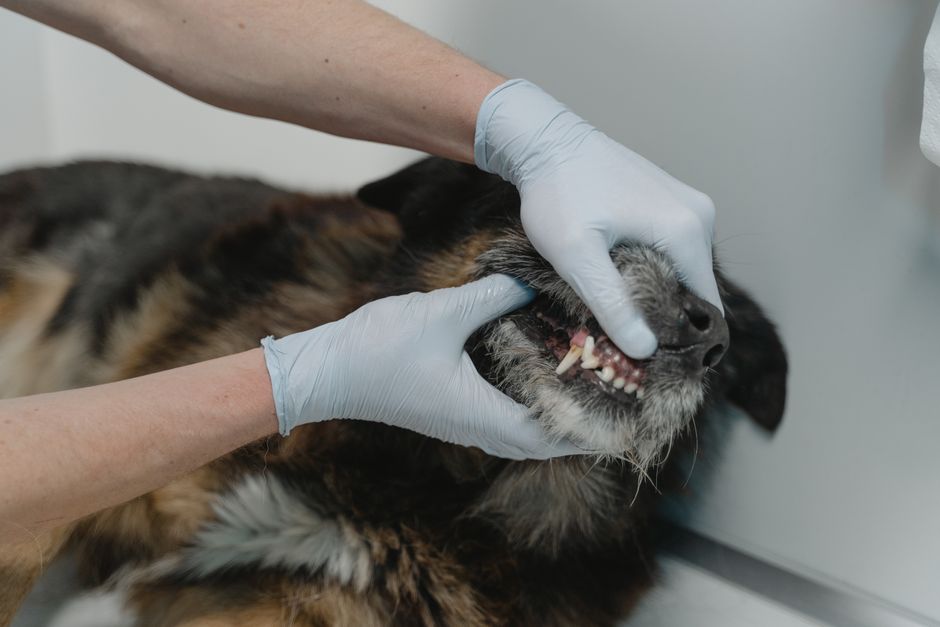
Many pet owners first encounter anesthesia during a spay or neuter, dental cleaning, or when their pet needs surgery due to illness or injury. Your veterinarian may recommend anesthesia for procedures such as mass removals, dental extractions, orthopedic repairs, or diagnostic imaging that requires your pet to remain perfectly still. Key signs that your pet may need an anesthetic procedure include a recommendation after a dental exam, a diagnosis of a condition that requires surgical intervention, or a discussion about advanced imaging. Additionally, if your pet has a broken tooth, a suspicious lump, chronic lameness, or other medical issues that cannot be addressed while awake, anesthesia becomes an essential part of their care.
It is normal to feel concerned about anesthesia, especially if your pet is a senior, has an existing medical condition, or has never undergone anesthesia before. At Canyon Falls Veterinary Hospital, we take the time to answer your questions, review your pet’s unique health status, and discuss any risks or concerns before moving forward with any anesthetic procedure.
Understanding the Risks and Realities of Pet Anesthesia
The thought of anesthesia can be daunting, but advances in veterinary medicine have made it safer than ever. Problems related to anesthesia are rare, but it is important to recognize that there is always some degree of risk, just as in human medicine. Risk factors can include your pet’s age, breed, weight, underlying health conditions, and the complexity of the procedure.
For example, senior pets or those with heart, liver, or kidney disease may face higher risks, which is why pre-anesthetic screening is so important. Certain breeds, such as brachycephalic dogs (like Bulldogs or Pugs) and cats (such as Persians), may also require special precautions due to their unique anatomy. By tailoring our approach to your pet’s individual needs and using advanced monitoring, our veterinary team in Northlake is able to minimize risks and provide the highest level of safety.
How Our Team Provides Safe Pet Anesthesia at Canyon Falls
Our commitment to safe pet anesthesia starts before your pet even enters our surgical suite. Every patient receives a thorough pre-anesthetic evaluation, which includes reviewing your pet’s medical history, performing a physical examination, and running bloodwork to check organ function and overall health. This information allows us to develop a customized anesthetic plan that considers your pet’s age, breed, health status, and any specific risks they may have.
Pre-Anesthetic Screening and Preparation
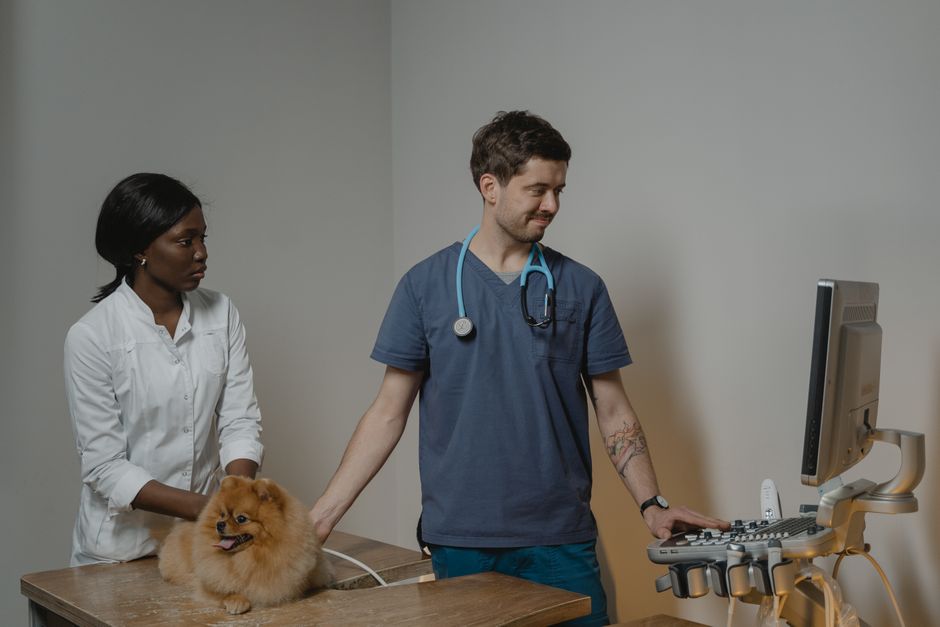
During the pre-anesthetic appointment, we discuss your pet’s medical background, recent symptoms, and any previous reactions to medications. Our diagnostic laboratory provides fast, accurate results so we can assess your pet’s kidney and liver function, blood cell counts, and other vital parameters. In some cases, additional diagnostics such as digital radiology or ultrasound may be recommended to further evaluate your pet’s heart or abdomen, especially for older pets or those with known health concerns.
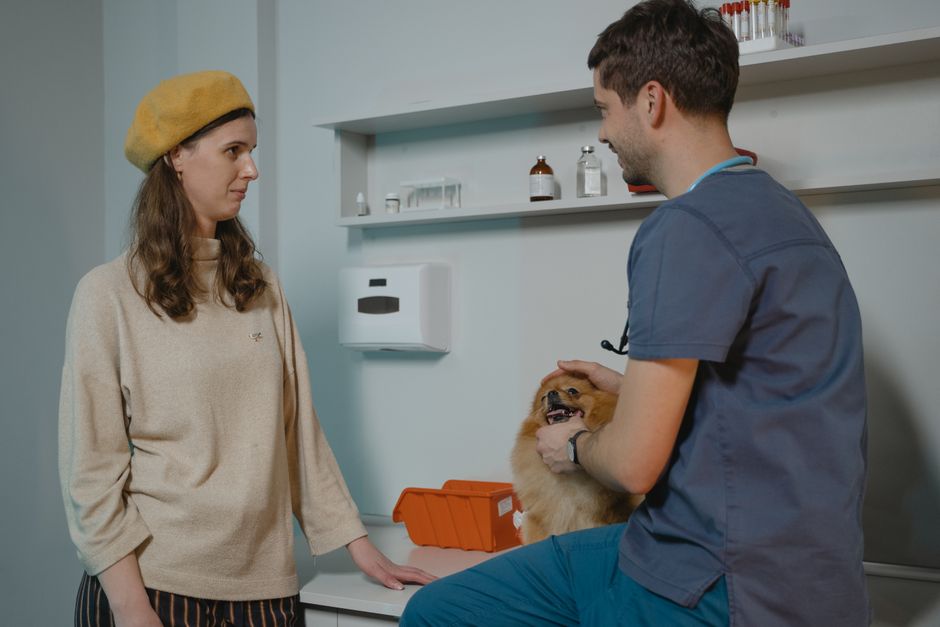
On the day of the procedure, your pet is admitted to our hospital, and our team ensures they are comfortable and stress-free. We use gentle handling techniques and low-stress protocols to minimize anxiety before anesthesia. Your pet’s vital signs are checked before any medications are given.
Modern Anesthetic Agents and Individualized Protocols
We use only the safest, most modern anesthetic drugs available, carefully selecting combinations that best suit your pet’s specific needs. Our veterinary professionals tailor the type and dose of anesthesia for each patient, taking into account their weight, age, breed, and medical conditions. Pre-anesthetic medications help relax your pet and control pain, while intravenous fluids are provided to maintain hydration and support organ function during the procedure.
Advanced Monitoring Throughout the Procedure
Once anesthesia is induced, your pet is never left unattended. Our veterinary team uses advanced monitoring equipment to continuously track your pet’s heart rate, respiratory rate, oxygen levels, blood pressure, temperature, and more. A dedicated veterinary technician is assigned to your pet for the entire duration of anesthesia, ensuring that even subtle changes are detected and addressed immediately.
These careful monitoring protocols are in place for every procedure, whether your pet is undergoing a routine dental cleaning or a more complex surgery. You can learn more about our approach to anesthesia and the types of surgeries we provide on our soft tissue and orthopedic surgery services page.
Gentle Recovery and Pain Management
Safe pet anesthesia does not end when the procedure is over. As your pet wakes up, our team provides gentle, hands-on supervision in a quiet, comfortable area. We use warming devices to maintain body temperature, provide pain relief tailored to your pet’s needs, and continue to monitor vital signs until your pet is fully awake and stable.
Before your pet goes home, we review their recovery plan with you in detail, providing instructions for home care, pain management, and signs to watch for during the healing process. Our goal is to ensure a smooth transition from hospital to home and to remain available to answer your questions as your pet recovers.
What You Can Do at Home to Support Anesthesia Safety
Your role as a pet owner is crucial in supporting safe pet anesthesia. Following your veterinarian’s instructions before and after the procedure can make a significant difference in your pet’s safety and comfort. Before anesthesia, you may be asked to withhold food and water for a certain period. It is important to follow these guidelines precisely, as eating or drinking before anesthesia can increase the risk of complications during the procedure.
After your pet returns home, monitoring their behavior, appetite, and incision site (if applicable) is essential. Signs such as excessive drowsiness, vomiting, diarrhea, swelling, bleeding, or difficulty breathing should be reported to your veterinarian right away. Keeping your pet quiet and comfortable, preventing them from licking or chewing at incisions, and administering prescribed medications as directed all help support a smooth recovery.
If you ever have concerns about your pet’s recovery, our team is available to answer your questions and provide guidance.
When to Seek Veterinary Care for Anesthesia Concerns
It is important to know when to reach out for professional help after an anesthetic procedure. If your pet is not waking up as expected, seems unusually disoriented, is in obvious pain, or is experiencing symptoms such as labored breathing, pale gums, persistent vomiting, or severe swelling at the surgical site, immediate veterinary attention is needed. Even if the signs seem minor, it is always better to call and ask for advice rather than wait and wonder.
At Canyon Falls Veterinary Hospital, we prioritize open communication and encourage you to contact us anytime you have concerns about your pet’s anesthesia or recovery. Our veterinary team is here for you every step of the way, from the initial consultation through to your pet’s full recovery.
Why Canyon Falls Is the Local Leader in Safe Pet Anesthesia
Families in Northlake and surrounding communities trust Canyon Falls Veterinary Hospital for our compassionate, individualized approach to veterinary care. Our modern facility, advanced monitoring technology, and highly trained veterinary professionals set us apart when it comes to safe pet anesthesia. We believe that every pet deserves gentle, attentive care; that is why we treat your dog or cat as if they were our own.
We welcome questions and invite you to learn more about Safe Pet Anesthesia at Canyon Falls Veterinary Hospital so you can feel confident about your pet’s next procedure. For more details about the surgical services we offer, including dental, soft tissue, and orthopedic procedures, visit our soft tissue and orthopedic surgery services page.
Ready to Schedule? Your Pet’s Safety Is Our Priority
If your pet needs an anesthetic procedure or you have questions about anesthesia safety, our veterinary team at Canyon Falls Veterinary Hospital is here to help. Schedule an appointment or call us at (972) 559-9500 to discuss your pet’s individual needs and how we can provide safe, stress-free care in Northlake and surrounding communities. For local families searching for a “vet near me” who truly prioritizes safe pet anesthesia, look no further than our caring team at 7251 Canyon Falls Dr, Suite 201, Northlake, TX 76226.
Your pet’s health and comfort are our top priorities. Whether it is a routine dental cleaning or a more advanced surgical procedure, you can trust Canyon Falls Veterinary Hospital to deliver safe pet anesthesia every step of the way. Reach out today to ensure your pet receives the highest standard of care, close to home.
Medical disclaimer: This blog is for informational purposes only and does not replace professional veterinary advice. If you have concerns about your pet’s health or anesthesia, always consult directly with your veterinarian.