How Dental Health Impacts Your Pet’s Overall Wellness


How Dental Health Impacts Your Pet’s Overall Wellness
If you’ve ever wondered why veterinarians talk so much about dental care for dogs and cats, you’re not alone. Many pet owners in Northlake and the surrounding communities are surprised to learn just how much their pet’s oral health can affect their whole body. At Canyon Falls Veterinary Hospital, our team has seen firsthand how a healthy mouth leads to a happier, healthier life for pets. In this blog, we’ll explore why dental health is so important, how to recognize signs of dental problems, what causes them, and the steps you can take at home and with your veterinarian to keep your pet’s smile healthy for years to come. We’ll also share how our modern, gentle approach to pet dental care in our Northlake facility helps keep tails wagging and whiskers twitching in comfort.
Recognizing Dental Disease in Dogs and Cats
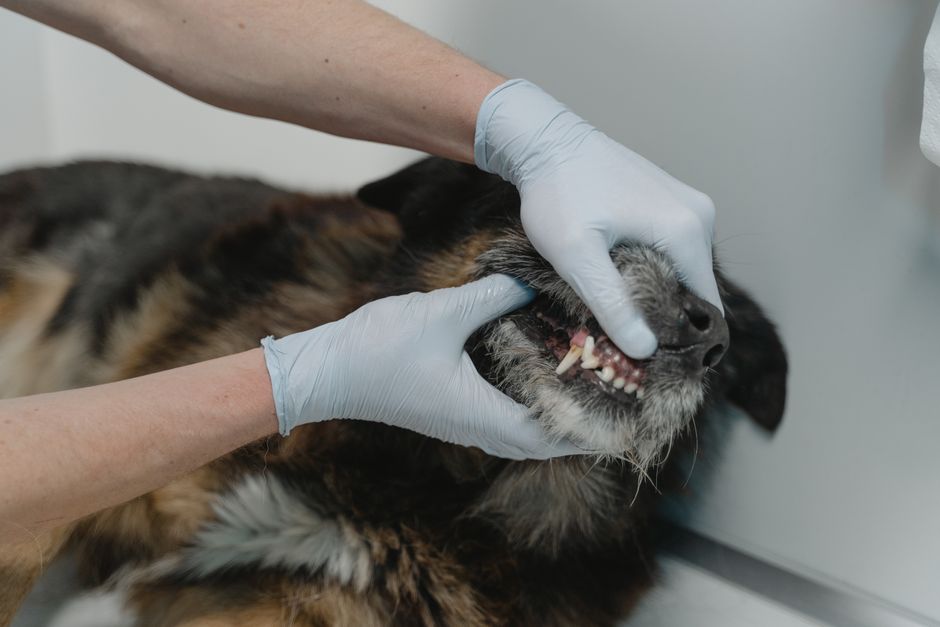
Dental disease is one of the most common health issues faced by pets, yet it often goes unnoticed until it becomes advanced. Many owners believe bad breath is just part of having a dog or cat, but in reality, persistent odor can be a sign of dental trouble brewing beneath the surface. Some key symptoms of dental disease in pets include noticeably bad breath, red or swollen gums, yellow or brown buildup on the teeth, drooling more than usual, or difficulty chewing. You might also notice your pet dropping food, favoring one side of the mouth, pawing at their face, or even losing interest in their favorite toys or treats. Cats, in particular, may hide their discomfort, so subtle changes in eating habits or grooming can signal a problem. If left unaddressed, dental disease can progress to cause loose, broken, or missing teeth, and even lead to more serious health concerns.
Why Oral Health Matters: How Dental Disease Develops
Understanding how dental disease starts helps explain why even young or seemingly healthy pets need routine dental care. In both dogs and cats, dental problems typically begin with the buildup of plaque—a soft, sticky film made up of bacteria and food particles. If plaque is not removed through regular cleaning, it hardens into tartar, which irritates the gums and creates a perfect environment for bacteria to thrive. Over time, this leads to gingivitis, an inflammation of the gums, and eventually to periodontitis, which is an infection that damages the tissue and bone supporting the teeth.
The real concern is that oral bacteria do not stay confined to the mouth. In pets with untreated dental disease, these bacteria can enter the bloodstream and reach other organs. Studies have shown links between severe dental disease and problems such as heart, liver, and kidney infections. Additionally, chronic pain from oral disease can affect your pet’s appetite, mood, and overall quality of life. That’s why our veterinary team in Northlake takes pet dental health seriously, addressing not just the teeth and gums, but your pet’s whole-body wellness.
Professional Dental Care: What to Expect at Canyon Falls Veterinary Hospital
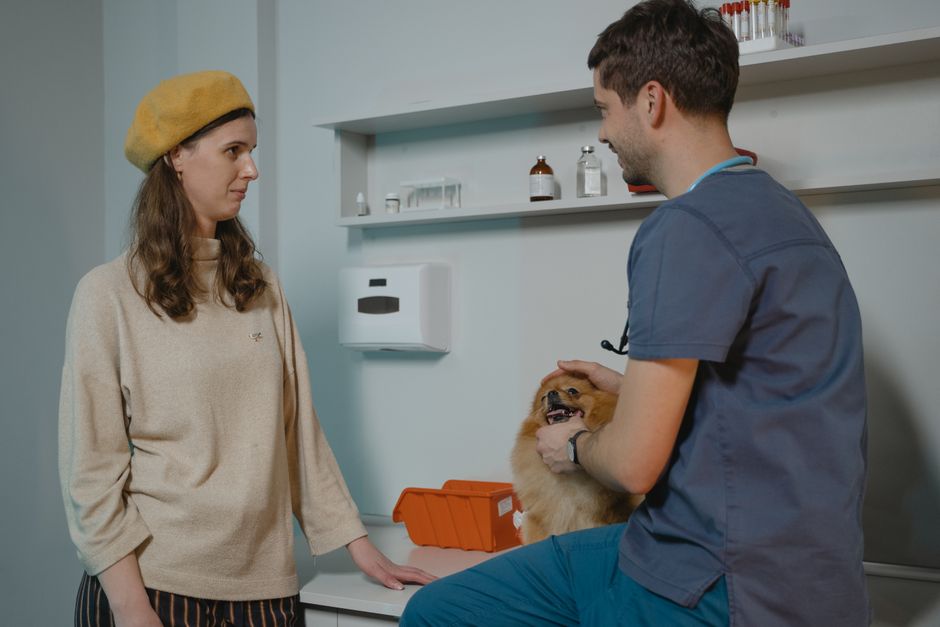
When you schedule a dental evaluation for your dog or cat at Canyon Falls Veterinary Hospital, you’re taking an important step toward protecting their long-term health. Our approach to pet dental care is both thorough and compassionate, ensuring your pet feels as safe and comfortable as possible throughout the process. During a dental check-up, our veterinarians will examine your pet’s mouth for any signs of disease, including the gums, teeth, and oral tissues. If dental cleaning is needed, we perform the procedure under safe anesthesia, allowing us to clean above and below the gumline where bacteria hide.
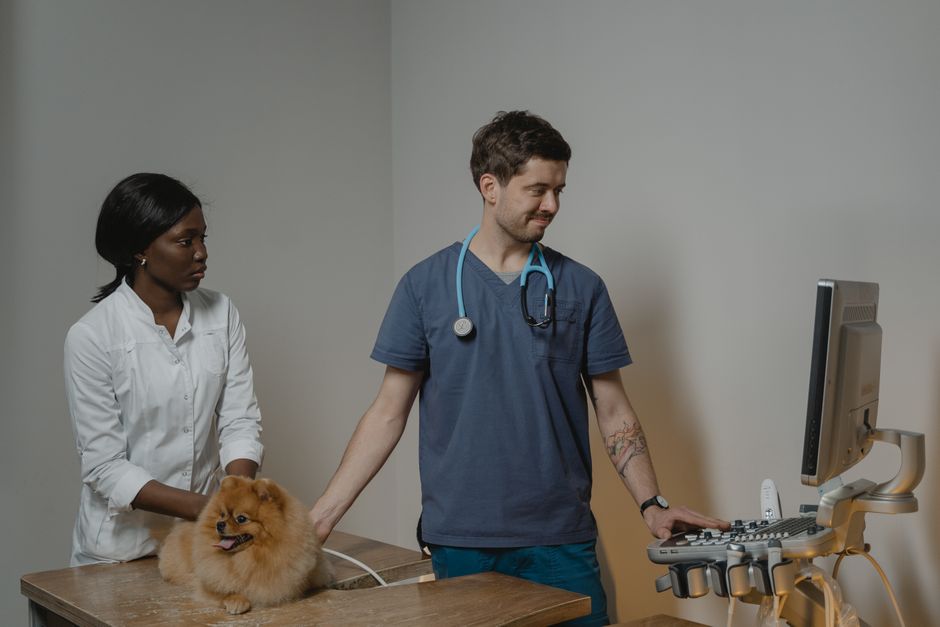
Our hospital is equipped with modern digital radiology and advanced dental instruments, which means we can detect and treat dental issues that are not always visible during a basic exam. Common dental treatments include ultrasonic scaling to remove plaque and tartar, polishing the teeth to slow future buildup, and extracting teeth that are damaged or infected beyond repair. We’ll also show you before-and-after images, so you can see the difference a professional cleaning makes. If you’re interested in learning more about our gentle, effective approach, visit our pet dental care services page for additional details.
At-Home Dental Care Tips for Pet Owners
While professional dental cleanings are essential, what you do at home plays a huge role in keeping your pet’s mouth healthy between visits. Brushing your pet’s teeth with a veterinarian-approved toothpaste is the gold standard, and even brushing a few times per week can make a big difference. Some pets need a gentle introduction to tooth brushing, starting with letting them taste the toothpaste and gradually working up to brushing. If brushing isn’t possible, dental chews, special diets, and water additives can help reduce plaque and tartar. Look for products with the Veterinary Oral Health Council (VOHC) seal, which indicates they meet standards for effectiveness.
Pay attention to your pet’s chewing habits, and provide toys that help clean teeth without risking fracture. Avoid hard objects like cooked bones or antlers, which can break teeth. Regularly check your pet’s mouth for changes in odor, color, or comfort. By combining daily care at home with regular professional cleanings, you’ll give your dog or cat the best chance at lifelong oral health.
When to Schedule a Veterinary Dental Exam
If you notice any of the warning signs discussed earlier—such as bad breath, difficulty eating, red or bleeding gums, or visible buildup—it’s time to schedule an appointment with your veterinarian. Even if your pet seems comfortable, routine dental exams are recommended at least once a year for most adult dogs and cats. Senior pets, those with a history of dental problems, or breeds prone to dental disease may need more frequent checkups. Waiting until your pet is in pain or has lost teeth can lead to more complicated and expensive treatments, not to mention unnecessary suffering.
Our veterinary team in Northlake is here to answer your questions and help you decide when a dental evaluation is needed. If you’re unsure, we welcome you to reach out for guidance or to set up a consultation. You can also find more information about what to expect from our pet dental cleanings and how they benefit your dog or cat.
The Link Between Dental Health and Your Pet’s Whole-Body Wellness
The benefits of maintaining your pet’s dental health go far beyond a clean smile or fresh breath. By preventing dental disease, you are also lowering the risk of serious health problems in the heart, kidneys, and other organs. Pets with healthy mouths are often more playful, energetic, and engaged with their families. They eat better, enjoy their favorite treats and toys, and experience less pain and discomfort as they age. At Canyon Falls Veterinary Hospital, we believe that every pet deserves to live their best life, and proactive dental care is a key part of that mission.
Choosing a Veterinarian Near You for Pet Dental Care
When searching for a vet near me who truly understands the importance of dental health for pets, look for a veterinary hospital with advanced dental technology, a compassionate approach, and a focus on preventive care. Located at 7251 Canyon Falls Dr, Suite 201, Northlake, TX 76226, Canyon Falls Veterinary Hospital is dedicated to serving Northlake and the surrounding communities with comprehensive dental services for dogs and cats. Our skilled veterinarians and support team are committed to making every visit as comfortable and stress-free as possible for both pets and their owners.
If you’re ready to schedule a dental evaluation or simply have questions about your pet’s oral health, we invite you to call us at (972) 559-9500 or visit our pet dental care page for more information. By working together, we can help your pet enjoy a healthier mouth and a happier, more vibrant life. Your pet’s wellbeing is our top priority, and we look forward to being your trusted partner in veterinary care for years to come.
Medical Disclaimer: This blog provides general information about dental health in pets and should not be used as a substitute for professional veterinary advice. If you have specific concerns about your pet’s health, please consult your veterinarian directly.