How Northlake Pet Hospital Helps Dogs and Cats Beat the Heat


How Northlake Pet Hospital Helps Dogs and Cats Beat the Heat
As summer lingers into September in Texas, many pet owners in Northlake and surrounding communities remain concerned about keeping their dogs and cats safe from the risks of heat. With the sun blazing and temperatures often soaring, it’s essential to protect your pets from heat-related dangers and keep them comfortable as the seasons change. At Canyon Falls Veterinary Hospital, your trusted northlake pet hospital, our veterinary team is dedicated to supporting your pet's wellness year-round, offering preventive care, advanced diagnostics, and personalized advice tailored to the unique challenges of our local climate. In this guide, we’ll explore how our services help protect your pets from the effects of extreme heat, what signs to watch for, the causes of heat stress, and the most effective ways to prevent and manage heat-related risks. You’ll also find actionable tips to keep your furry companions healthy as summer winds down, and learn when it’s time to schedule a visit at our modern Northlake location.
Recognizing Heat Stress and Overheating in Dogs and Cats
Understanding when your pet might be at risk is the first step to ensuring their safety during Texas’s late-summer heat. Dogs and cats do not sweat like humans; instead, they rely on panting and limited sweat glands in their paws to regulate body temperature. When the air remains warm and humid, this can make cooling down especially difficult.
Common signs of heat stress in pets include excessive panting, drooling, restlessness, and seeking cool or shady areas. You might notice your dog lying on tile floors or your cat hiding under furniture to escape the warmth. As heat stress advances, symptoms can become more concerning, with pets showing signs such as unsteady walking, vomiting, diarrhea, bright red gums, or even collapse. For brachycephalic breeds like Bulldogs, Pugs, or Persian cats, these risks are even higher due to their shortened airways.
If your pet seems lethargic, refuses food or water, or is breathing rapidly without exercise, these could be warning signs of overheating or heatstroke. Prompt recognition and intervention are crucial for your pet’s safety.
Why Heat-Related Illnesses Occur in Texas Pets
Texas’s climate, especially here in Northlake, is known for sudden temperature spikes and persistent humidity well into the fall. Heat-related illnesses in pets occur when they cannot effectively release built-up body heat, leading to dangerous internal temperatures.
Several factors contribute to these risks. Dogs and cats left outdoors during midday, those exercised too vigorously in the heat, or pets transported in poorly ventilated vehicles are especially vulnerable. Even indoor pets can be at risk if homes become too warm or lack adequate airflow. Certain breeds, older pets, overweight animals, and pets with underlying medical conditions are more susceptible to heat stress and dehydration.
Understanding these environmental and individual risk factors helps pet owners take proactive steps to keep their companions safe. Our northlake pet hospital team can help you assess your pet’s unique risk profile during a wellness examination and provide tailored advice for their needs.
The Role of Preventive Veterinary Care
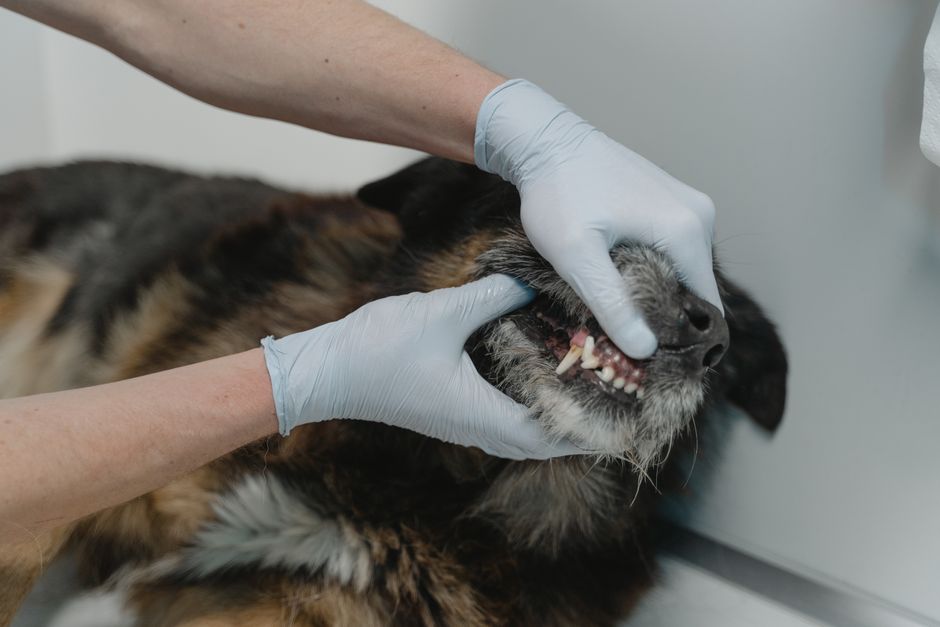
Preventive care is central to keeping pets healthy in any season, but it’s especially important during periods of extreme weather. Regular checkups allow our veterinarians to detect early signs of heat-related problems, manage chronic conditions that may increase risk, and recommend lifestyle adjustments for your dog or cat’s safety.
Professional Treatment and Support for Heat-Related Issues
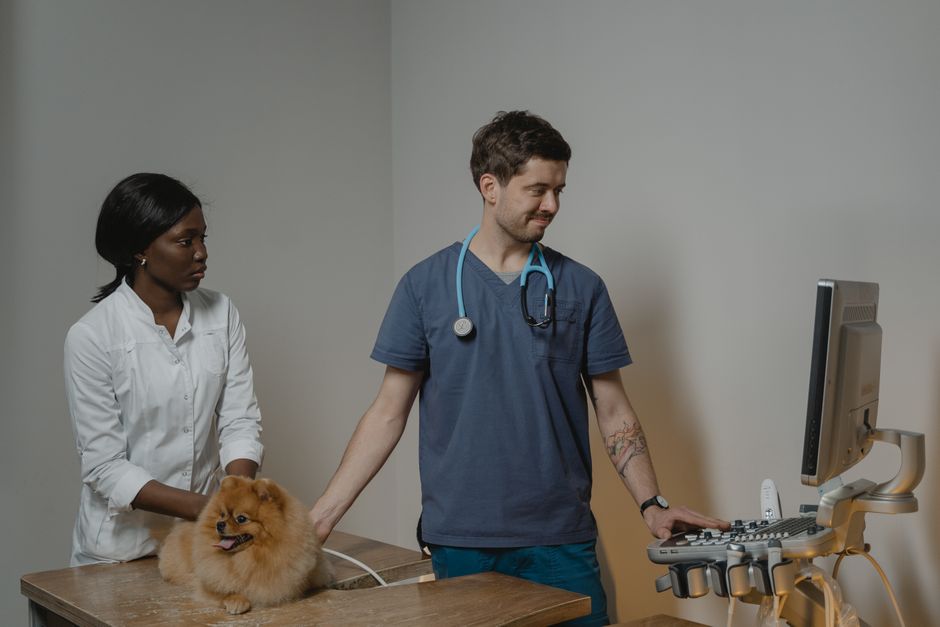
When your pet shows signs of heat stress or heatstroke, immediate action is critical. At Canyon Falls Veterinary Hospital, we are equipped to provide rapid assessment and supportive care for heat-related emergencies. Our veterinary professionals use advanced diagnostics, such as in-house laboratory testing and digital radiology, to evaluate your pet’s condition and determine the best course of action.
Treatment for heatstroke may involve gradually cooling your pet’s body temperature using cool (not cold) water applied to the fur and paw pads, administering intravenous fluids to combat dehydration, and monitoring for complications such as organ dysfunction. In severe cases, hospitalization and intensive monitoring are required to ensure a safe recovery.
It’s important to remember that while minor overheating may be managed at home, true heatstroke is a medical emergency. Home remedies are not a substitute for professional care, particularly if your pet collapses, has seizures, or shows signs of confusion or unresponsiveness.
Diagnostic Capabilities at Canyon Falls Veterinary Hospital
Our northlake pet hospital features a modern diagnostic laboratory, allowing us to quickly assess your pet’s hydration status and organ function during suspected heat-related illness. If your pet needs further evaluation, our diagnostic laboratory services provide fast, accurate results to guide treatment decisions and monitor recovery.
Preventing Heat Stress: Tips for Pet Owners
Prevention is always preferable to treatment, especially when it comes to heat-related risks. Keeping your dog or cat safe during the lingering Texas heat requires a combination of environmental management, smart routines, and proactive health care.
Ensure your pet always has access to plenty of fresh water and a cool, shaded place to rest. On hot days, limit outdoor activities to early morning or late evening when temperatures are lower. Never leave your pet unattended in a vehicle, as temperatures inside can become dangerously high within minutes, even with windows cracked. If your home lacks air conditioning, use fans and keep curtains closed to reduce indoor heat. For outdoor pets, provide sturdy shelters that protect from both sun and heat.
Grooming also plays a role; regular brushing helps remove excess undercoat, allowing for better air circulation. However, avoid shaving double-coated breeds, as their fur provides natural insulation from both heat and sunburn.
For pets with chronic health conditions, overweight pets, or brachycephalic breeds, discuss extra precautions with our veterinary team during your next visit. We can help you create a summer care plan that fits your pet’s needs and your lifestyle.
The Importance of Vaccinations and Preventive Health
Heat and humidity not only increase the risk of overheating but also create ideal conditions for parasites and infectious diseases. Staying current with pet immunizations and preventive measures against fleas, ticks, and mosquitoes is an essential part of your pet’s overall wellness strategy.
When to Seek Veterinary Care for Heat Concerns
Knowing when to seek professional help can make all the difference for your pet’s health. If your dog or cat is panting excessively, seems weak, collapses, or shows any signs of confusion or difficulty breathing, contact our northlake pet hospital immediately. Early intervention may prevent serious complications and improve your pet’s chances of a full recovery.
Even if your pet seems to recover after a brief episode of overheating, a veterinary evaluation is always recommended; heatstroke can cause subtle internal injuries that may not be obvious right away. Our veterinarians are here to answer your questions, assess your pet’s condition, and provide peace of mind as you navigate the challenges of Texas’s extended summer heat.
If you’re ever uncertain about your pet’s symptoms or need advice on preventing heat stress, don’t hesitate to reach out to our compassionate veterinary team. We are happy to discuss your concerns, schedule an appointment, or provide guidance over the phone.
Caring for Your Pet Year-Round at Canyon Falls Veterinary Hospital
As a family-owned northlake pet hospital serving Northlake and surrounding communities, Canyon Falls Veterinary Hospital is committed to helping you keep your dogs and cats healthy and happy in every season. Our modern facility at 7251 Canyon Falls Dr, Suite 201, Northlake, TX 76226 offers comprehensive preventive care, advanced diagnostics, and a full range of wellness services, all delivered in a low-stress, compassionate environment.
Whether you need a routine wellness examination, advice on summer safety, or urgent help for a heat-related concern, our veterinary professionals are here for you and your pet. When searching for a veterinarian near me who truly understands the needs of local pets, look no further than our experienced team.
If you have questions about heat safety, want to schedule your pet’s next checkup, or need to discuss a specific concern, please call us at (972) 559-9500 or visit us at our convenient Northlake location. At Canyon Falls Veterinary Hospital, we are honored to be your partner in your pet’s lifelong health—no matter how hot Texas summers may get.