How Northlake Pet Hospital Keeps Pets Safe in Winter


How Northlake Pet Hospital Keeps Pets Safe in Winter
Winter in Northlake, Texas can bring unexpected cold snaps, icy mornings, and damp days that catch both people and pets off guard. As pet owners, you want to ensure your furry and feathered family members stay healthy and comfortable all season long. At Canyon Falls Veterinary Hospital, your trusted northlake pet hospital, our team of veterinarians understands the unique challenges winter can bring—whether you share your home with a playful puppy, a senior cat, or even a more exotic companion. In this article, we’ll explore how winter weather affects local pets, how to spot common seasonal health concerns, and what you can do to protect your animals when the temperatures drop. You’ll also discover how our modern, family-owned hospital at 7251 Canyon Falls Dr, Suite 201, Northlake, TX 76226 supports pet owners in Northlake and surrounding communities with expert preventive care, diagnostics, and compassionate guidance every step of the way.
Recognizing Winter Health Risks for Pets at Your Northlake Pet Hospital
When winter arrives in Texas, the weather can shift quickly from mild to brisk. Even though Northlake rarely experiences heavy snow, sudden cold fronts, dampness, and wind chills can still impact your pet’s health. Dogs, cats, and exotic pets each have their own vulnerabilities in winter. Key warning signs to watch for include shivering, reluctance to go outside, limping or lifting paws, dry or cracked skin, coughing, or changes in behavior such as hiding or lethargy. If you notice your dog spending less time outdoors, your cat sleeping more than usual, or your rabbit huddling unusually, these may be signs that the cold is affecting their comfort or well-being.
Additionally, certain breeds and age groups are at greater risk. Short-haired dogs, older pets, very young animals, and pets with chronic health conditions are more likely to struggle with temperature extremes. Exotic pets such as reptiles or birds may be even more sensitive to changes in household temperature or humidity. By staying alert to subtle changes in your pet’s appearance or behavior, you can catch potential problems early and seek help from your northlake pet hospital before they become serious.
Why Winter Brings Unique Challenges for Northlake Pets
Unlike northern climates, Texas winters are unpredictable—one day may be sunny and warm, the next damp and chilly. This variability can be hard on pets who spend time both inside and out. Common causes of winter health issues include accidental exposure to cold, sudden wet weather, drafts in the home, or even chemicals used for de-icing driveways and sidewalks. For dogs and cats, cold and damp conditions can exacerbate arthritis or joint pain, while dry indoor air can lead to itchy, flaky skin.
For exotic pets such as reptiles, amphibians, or birds, maintaining a stable indoor temperature is essential. These species rely on environmental heat to regulate their bodies, and a drop in household temperature can quickly lead to illness. The northlake pet hospital team often sees cases where a seemingly minor change in a pet’s environment causes appetite loss, respiratory issues, or behavioral changes.
Understanding these unique regional risks helps pet owners make informed choices about everything from outdoor walks to indoor heating and humidity. It also highlights why routine wellness visits and preventive care are so valuable during the winter months. A wellness and preventive care exam can catch early signs of seasonal health issues before they become emergencies.
How Canyon Falls Veterinary Hospital Supports Winter Pet Health
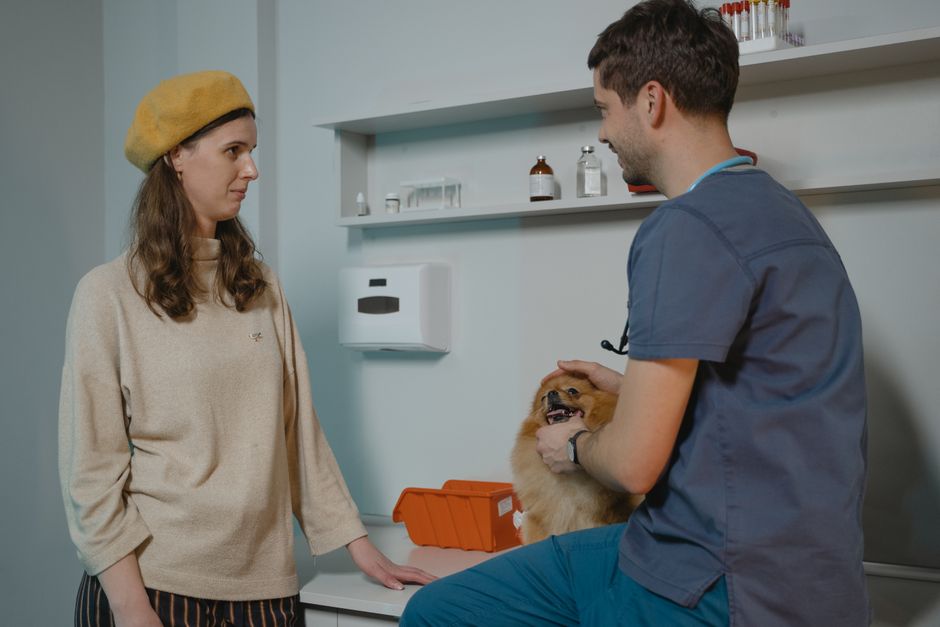
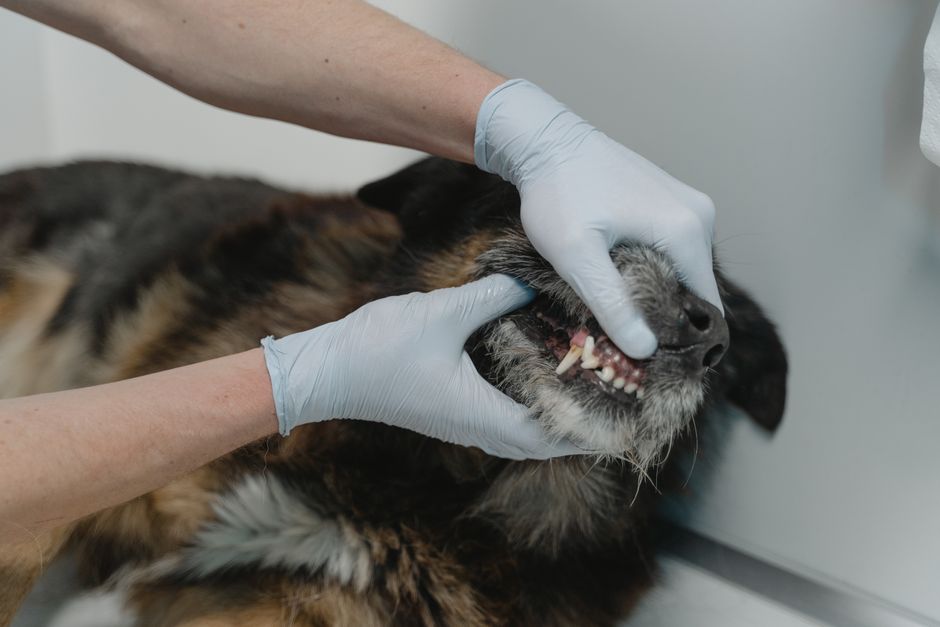
At our northlake pet hospital, we take a proactive approach to winter pet care. Our veterinary professionals recommend seasonal checkups to review your pet’s overall health, discuss any signs of discomfort, and tailor advice based on age, breed, and lifestyle. For dogs and cats, these visits may include a thorough physical exam, discussions about joint health or weight management, and recommendations for maintaining healthy skin and coats.
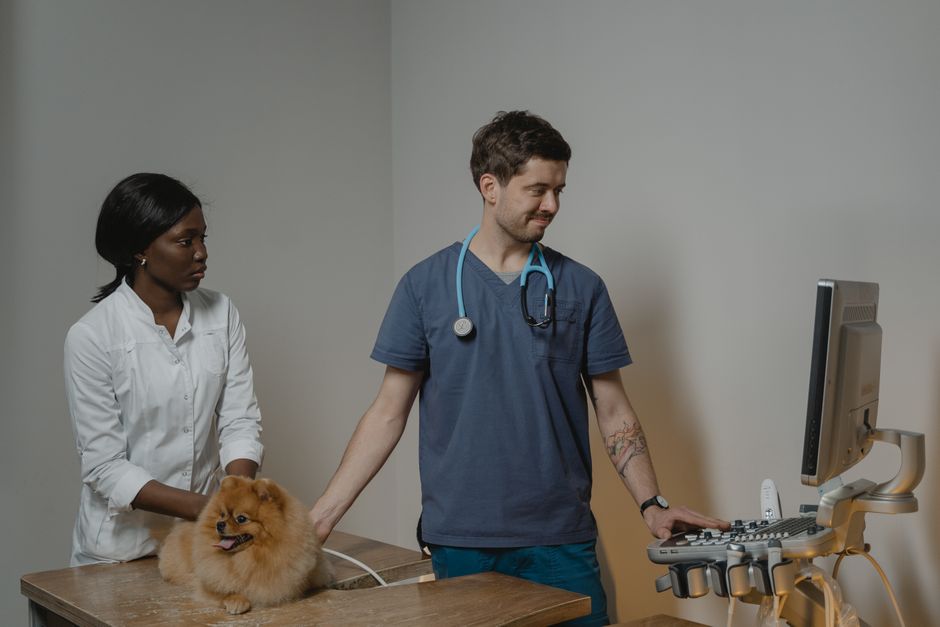
If your pet is showing signs of illness—such as coughing, respiratory changes, or unexplained lethargy—diagnostic tools like our in-house laboratory, digital radiology, and ultrasonography allow us to quickly detect underlying problems. For example, winter can increase the risk of respiratory infections or worsen chronic conditions like heart disease or arthritis. Our veterinarians are equipped to diagnose and manage these issues promptly, helping your pet feel better faster.
Exotic pet owners will find our team knowledgeable in the unique requirements of birds, reptiles, rabbits, and small mammals. We provide specialized care for exotics, including advice on temperature and humidity regulation, winter nutrition, and safe housing. For all pets, our commitment to low-stress handling ensures that even nervous animals receive gentle, compassionate care during every visit.
Keeping Pets Comfortable and Safe at Home During Winter
There are many steps you can take at home to protect your pet from unpredictable Northlake weather. For dogs, limiting time outdoors during the coldest parts of the day and providing a cozy, draft-free sleeping area can make a big difference. Consider using dog sweaters or booties for breeds with short coats or sensitive paws. After walks, check for ice, salt, or chemicals between toes and promptly clean and dry their feet.
Cats should be encouraged to stay indoors during cold snaps, with plenty of warm bedding and stimulation to prevent boredom. Watch for signs of stiffness or reluctance to move, as these can indicate joint discomfort. Humidifiers can help combat dry air that leads to itchy skin.
For exotic pets, monitor room temperatures with a reliable thermometer, and use supplemental heat sources or humidity as recommended for your species. Changes in appetite, droppings, or activity level should prompt a call to your northlake pet hospital, as exotic animals can decline quickly in suboptimal conditions.
Vaccinations and parasite prevention remain important year-round, as some diseases are still transmitted in winter. Our pet vaccination services are tailored to local risks, and our online pharmacy can supply winter care products and medications for convenience.
When to Schedule a Veterinary Visit for Winter Concerns
It can be challenging to decide when a winter issue warrants a visit to your veterinarian. As a general rule, you should contact your northlake pet hospital if your pet displays persistent shivering, difficulty breathing, limping that does not improve, open wounds or cracked paw pads, ongoing coughing or sneezing, loss of appetite, or significant behavioral changes. For exotic pets, even small shifts in eating or activity can signal a problem that needs prompt attention.
Our veterinary professionals encourage regular wellness visits, especially for older pets or those with chronic health issues, as winter can exacerbate underlying conditions. If you are unsure whether your pet’s symptoms require medical evaluation, our team is always happy to answer questions and guide you toward the best next steps.
In addition to medical care, we offer behavior consultations to address stress-related changes that sometimes arise during the winter months, such as increased anxiety or indoor behavioral challenges. Our goal is to support your pet’s total well-being, whatever the season.
Your Partner for Year-Round Pet Wellness in Northlake
At Canyon Falls Veterinary Hospital, we believe winter should be a time of comfort and togetherness for you and your pets—not a season of worry. By staying alert to subtle changes, practicing good home care, and partnering with your trusted northlake pet hospital, you can keep your furry, scaly, or feathered companions healthy all season long. If you are searching for a vet near me who understands the unique needs of Northlake pets, our team of veterinarians is here to support you with preventive care, diagnostics, and compassionate guidance.
To schedule an appointment or discuss any winter pet concerns, call (972) 559-9500 or visit our welcoming hospital at 7251 Canyon Falls Dr, Suite 201, Northlake, TX 76226. You can also explore our wellness and preventive care exam options or learn about our exotic pet services for specialized companions. Let us help you make this winter safe, healthy, and happy for every member of your family.