How to Spot Early Signs of Pet Illness in Northlake


How to Spot Early Signs of Pet Illness in Northlake
As a loving pet owner, you want your dog or cat to enjoy a long, healthy, and happy life. One of the most important ways to protect your furry family member is by recognizing the subtle signs that can indicate a health problem before it becomes serious. At Canyon Falls Veterinary Hospital, located in Northlake, TX, our veterinary team is dedicated to helping pet owners in Northlake and surrounding communities understand what to watch for and how timely veterinary care can make all the difference.
In this blog, we’ll guide you through the early symptoms of illness in dogs and cats, help you understand why these changes matter, explain how our modern diagnostics and comprehensive care can help, and share practical tips for keeping your pet healthy at home. We’ll also clarify when you should schedule an appointment for a professional evaluation. If you’re wondering how to find a trusted veterinary partner for your pet’s wellbeing, you’re in the right place.
Recognizing Early Signs of Illness in Dogs and Cats
Pets can’t tell us when something is wrong, so it’s up to pet owners to notice changes in their behavior, appetite, or routine. Early signs of illness in dogs and cats often appear as subtle changes that may be easy to overlook. Common symptoms include a decrease in energy, loss of interest in play, or hiding more than usual. You may also notice your pet eating less, drinking more water than normal, vomiting, or having diarrhea. Other signs to watch for are coughing, sneezing, changes in breathing, limping, or difficulty getting up and down.
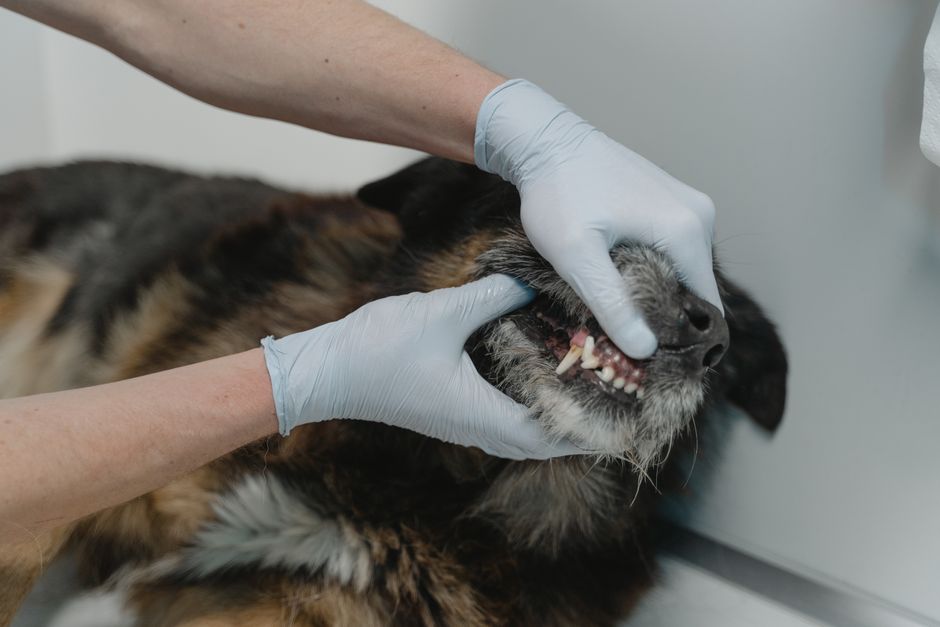
Changes in your pet’s appearance, such as a dull coat, flaky skin, or sudden weight loss, are important warning signs. Bad breath, excessive drooling, or pawing at the mouth can indicate dental problems. If you notice your dog or cat struggling to urinate, having accidents in the house, or showing signs of pain when touched, these are all red flags that deserve prompt attention.
It’s important to remember that cats, in particular, are masters at hiding discomfort or pain, so even mild changes in their habits or demeanor should not be ignored. When in doubt, trust your instincts—if your pet just doesn’t seem like themselves, it’s always safer to consult with your veterinarian.
Understanding Why Pets Hide Illness
Dogs and cats have evolved to hide signs of weakness as a survival instinct. In the wild, showing pain or illness can make an animal vulnerable to predators. This means that by the time you notice clear symptoms, your pet’s condition may have progressed further than you think.
Several factors can contribute to illness in pets, including age, breed, underlying health conditions, and environmental changes. For example, older pets are more likely to develop chronic issues such as arthritis, kidney disease, or heart problems, while younger pets may be at risk for infectious diseases or parasites. Seasonal changes in Northlake can also impact your pet’s health, as hot summers can increase the risk of heatstroke, and mild winters may allow ticks and fleas to persist year-round.
Diet, stress, and changes in routine—such as adding a new family member or moving to a new home—can all influence your pet’s wellbeing. By understanding the reasons behind your pet’s symptoms, you’ll be better equipped to work with your veterinary team to identify the cause and develop the right treatment plan.
How Canyon Falls Veterinary Hospital Diagnoses and Treats Pet Illness
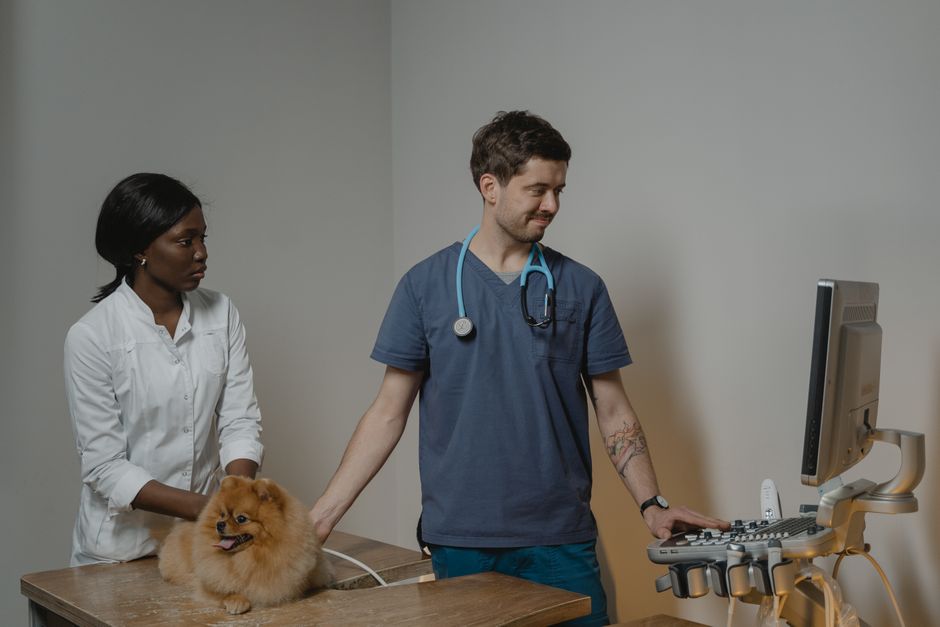
When you bring your dog or cat to Canyon Falls Veterinary Hospital for a concern, our experienced veterinarians will begin with a thorough medical history and physical examination. We use advanced diagnostic tools, such as our in-house laboratory, digital radiology, and ultrasound, to identify the root cause of your pet’s symptoms quickly and accurately.
For example, if your cat is drinking more water than usual and losing weight, our team may recommend bloodwork and urinalysis to check for diabetes or kidney disease. If your dog is limping or slowing down on walks, digital radiographs can help us evaluate for arthritis or injury. If your pet is experiencing vomiting or diarrhea, our diagnostic laboratory services can identify infections or digestive issues.
In many cases, early intervention allows us to treat conditions before they become advanced, which can improve outcomes and keep your pet more comfortable. Treatment options may include medications, dietary changes, dental care, or in some cases, surgical intervention. Our veterinarians always take the time to explain your pet’s diagnosis, discuss treatment options, and answer your questions, so you feel confident in every decision.
If you’d like to learn more about how our team uncovers health issues early, visit our page on wellness and preventive care exams or discover our in-house diagnostic laboratory services.
Specialty Diagnostics and Comprehensive Care
For complex cases, our hospital’s digital imaging and ultrasonography offer a deeper look at your pet’s internal organs, helping diagnose issues like tumors, bladder stones, or heart disease. Our comprehensive approach means that whether your pet needs a routine checkup or advanced diagnostics, all services are available under one roof, right here in Northlake.
At-Home Steps to Protect Your Pet’s Health
Catching problems early starts with knowing what’s normal for your pet and being attentive to changes. Steps you can take at home include observing your pet’s eating and drinking habits, monitoring their weight, and noting any shifts in behavior or energy. Regular grooming and dental care can help you spot skin issues, lumps, or mouth pain before they become serious.
Maintaining a consistent routine with high-quality food, clean water, and plenty of exercise supports your pet’s immune system and overall wellbeing. Keeping up with core vaccinations, parasite prevention, and annual wellness examinations is key to preventing many common illnesses. Pet owners in Northlake should also be mindful of seasonal hazards, such as heatstroke in summer, foxtails and grass awns in spring, or increased tick activity throughout the year.
If you notice anything unusual—even if it seems minor—it’s always smart to make a note and bring it up with your veterinarian. Early conversations can prevent small concerns from developing into larger health issues.
When to Schedule a Veterinary Visit
Knowing when to seek veterinary care can be the difference between a quick recovery and a more complicated illness. You should schedule an appointment if your dog or cat shows any of the following: sudden or severe changes in appetite or thirst, repeated vomiting or diarrhea, difficulty breathing, unexplained weight loss, persistent coughing or sneezing, signs of pain or discomfort, trouble urinating or defecating, or any new lumps or bumps.
If your pet is lethargic, collapses, has a seizure, or exhibits any behavior that alarms you, prompt veterinary attention is essential. Even if you’re unsure whether your pet’s symptoms are serious, our veterinary team is always happy to guide you. Early intervention often leads to better outcomes and may reduce the need for more intensive treatments later on.
For ongoing and preventive care, consider scheduling a comprehensive pet exam to ensure your dog or cat’s health is on track. Timely visits allow us to monitor for subtle changes and provide expert recommendations tailored to your pet’s needs.
Supporting Lifelong Health for Your Dog or Cat
At Canyon Falls Veterinary Hospital, we understand how much your pet means to your family. Our commitment is to provide compassionate, low-stress care for every patient and to empower pet owners with the knowledge they need to make informed decisions. Whether your pet needs a routine checkup, advanced diagnostics, dental care, or ongoing treatment for a chronic condition, our veterinarians are here to help.
If you’re searching for a trusted “vet near me” in Northlake, our hospital offers a modern, welcoming environment and a full range of services designed with your pet’s comfort in mind. From wellness and preventive care to diagnostics and surgery, we support pets and their families at every stage of life.
If you have concerns about your pet’s health or notice any changes in their behavior, don’t hesitate to reach out. Schedule an appointment with our experienced veterinary team by calling (972) 559-9500 or visiting 7251 Canyon Falls Dr, Suite 201, Northlake, TX 76226. Together, we can help your dog or cat enjoy a healthier, happier life.
This blog is intended for informational purposes only and should not replace professional veterinary advice. If your pet is experiencing a medical emergency, contact a veterinarian immediately.