How We Ensure Safe Pet Anesthesia at Canyon Falls


How We Ensure Safe Pet Anesthesia at Canyon Falls
If you have ever felt anxious about your dog or cat needing anesthesia for a dental cleaning or surgery, you are not alone. Many pet owners in Northlake and the surrounding communities share concerns about how anesthesia will affect their beloved companions. At Canyon Falls Veterinary Hospital, we understand that trusting us with your pet’s care is a big decision. That is why our veterinary team has made safe pet anesthesia a cornerstone of our approach, whether your pet needs a routine procedure or a more advanced surgery. In this article, we will walk you through what makes anesthesia safer today than ever before, how we personalize every protocol, and what you can expect before, during, and after your pet’s procedure at our modern Northlake facility. If you are looking for peace of mind about safe pet anesthesia, you will find answers here—along with practical tips and expert guidance from our compassionate team.
Recognizing When Your Pet Needs Anesthesia
Most pet owners first encounter anesthesia when their veterinarian recommends a dental cleaning, spay or neuter, lump removal, or another surgical procedure. Common scenarios include a dog with stubborn tartar buildup who needs a thorough dental cleaning, a senior cat with a suspicious mass that must be biopsied, or a young puppy scheduled for a routine spay. While the idea of anesthesia can be daunting, it is important to recognize that many essential veterinary procedures simply cannot be done safely or comfortably without it. Signs your pet may need anesthesia include dental disease with visible tartar or bad breath, persistent lameness requiring orthopedic evaluation, or growths that need to be removed or tested. Sometimes, advanced imaging such as digital radiology or ultrasound also requires sedation or light anesthesia to help your pet remain still and stress-free.
If your veterinarian has recommended a procedure that requires anesthesia, it is because this approach offers the safest, most humane way to address your pet’s health needs. At Canyon Falls Veterinary Hospital, our team takes every precaution to assess your pet’s health beforehand, review their medical history, and ensure anesthesia is the best option for their situation.
Understanding the Risks and Advancements in Pet Anesthesia
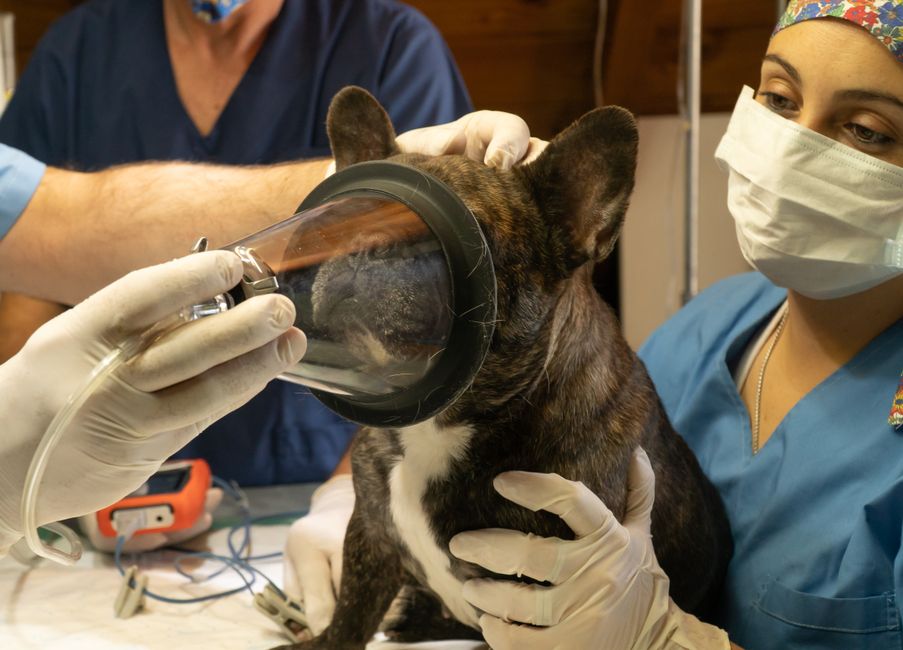
It is natural to wonder about the risks of anesthesia for dogs and cats. While every anesthetic carries some degree of risk, advances in veterinary medicine have made anesthesia safer than ever before. Today’s anesthetic drugs are tailored to the unique needs of each patient, with options that are rapidly reversible, less likely to cause side effects, and safer for pets with chronic conditions. Modern veterinary hospitals like Canyon Falls in Northlake also use sophisticated monitoring equipment, from ECGs to continuous blood pressure and oxygen monitoring, to track your pet’s vital signs every moment they are under anesthesia.
Factors that can increase anesthetic risk include age (especially for very young or senior pets), certain breeds, underlying health conditions like heart or kidney disease, and obesity. Recognizing these factors is the first step in preventing complications. Our veterinary team always performs a thorough wellness examination and reviews recent bloodwork before recommending any anesthetic procedure. To learn more about how we use in-house diagnostics to assess your pet’s readiness for anesthesia, visit our diagnostic laboratory page.
How We Deliver Safe Pet Anesthesia at Canyon Falls
Comprehensive Pre-Anesthetic Evaluation
Every pet scheduled for anesthesia at Canyon Falls Veterinary Hospital receives a detailed pre-anesthetic workup. This includes a physical examination, review of your pet’s medical history, and blood tests to check organ function and detect hidden conditions. For some pets, we may recommend additional diagnostics such as chest radiographs or ultrasound for a more complete picture of their health. All of these steps help us tailor the anesthesia plan to your pet’s unique needs.
Modern Anesthetic Medications and Protocols
We use only the safest, most up-to-date anesthetic agents available. These medications are chosen for their effectiveness, predictability, and rapid recovery profiles. For each procedure, our veterinarians select a protocol that considers your pet’s age, species, breed, health status, and any special concerns. For example, a healthy young dog having a routine spay may receive a different protocol than a senior cat undergoing a mass removal. Pain management is incorporated at every step, both during and after the procedure, to keep your pet comfortable.
Advanced Monitoring for Every Patient
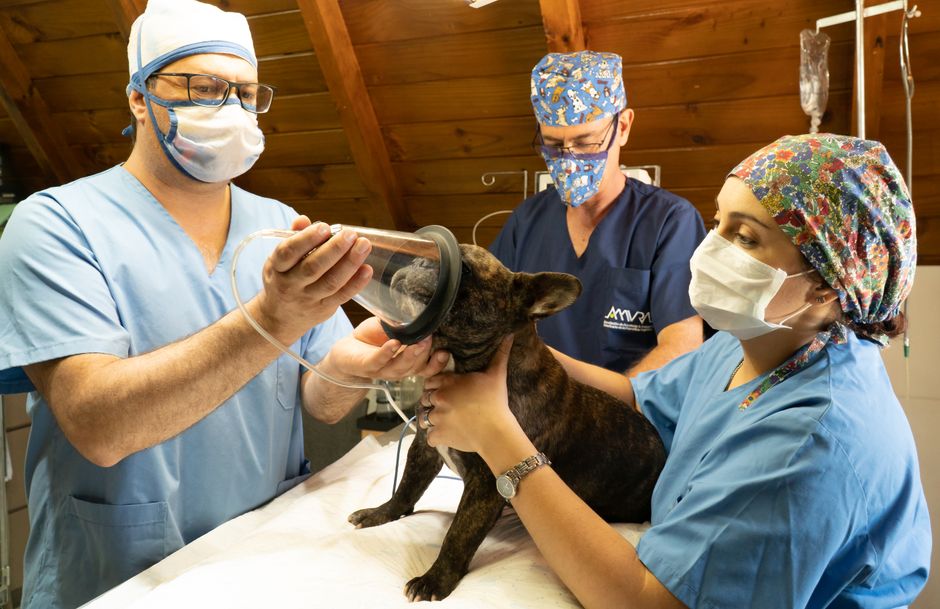
During anesthesia, close monitoring is essential. Our veterinary team uses advanced equipment to track heart rate, respiratory rate, oxygen saturation, blood pressure, temperature, and ECG. A dedicated team member is always present to monitor your pet’s status in real time and make immediate adjustments if needed. This vigilant approach allows us to detect and address any changes quickly, keeping your pet as safe as possible from start to finish. For more detailed information, we invite you to read about our protocols on our safe pet anesthesia page.
Individualized Recovery and Post-Procedure Care
The safety of pet anesthesia does not end when the procedure is over; careful monitoring continues throughout recovery. Our veterinary team stays with your pet as they wake up, ensuring their temperature, breathing, and comfort are all closely watched. Pain control, warmth, and gentle reassurance are provided until your pet is fully alert. Before discharge, we review home care instructions with you and answer any questions, so you feel confident about supporting your pet’s recovery at home.
Helping Your Pet at Home: Steps to Safer Anesthesia
There are important steps you can take as a pet owner to help ensure safe anesthesia for your dog or cat. First, schedule regular wellness and preventive care exams to catch health concerns early; healthy pets are safer anesthesia candidates. When a procedure is recommended, follow all pre-anesthetic instructions provided by our team, such as fasting your pet before surgery and withholding food after midnight unless otherwise directed. Communicate any changes in your pet’s health, such as coughing, vomiting, or new medications, ahead of time so we can adjust our protocols if needed. After your pet’s procedure, provide a calm, quiet space for recovery and monitor for any unusual signs, such as persistent grogginess, vomiting, or pain. If you notice anything that concerns you, contact our veterinary team right away for guidance.
When to Seek Veterinary Care for Anesthesia-Related Concerns
It is important to reach out to your veterinarian if you have questions or worries about anesthesia, either before or after your pet’s procedure. Signs that require prompt attention include labored breathing, pale or blue gums, repeated vomiting, difficulty standing, or continued lethargy more than a few hours after anesthesia. At Canyon Falls Veterinary Hospital, we encourage pet owners to call with any concerns—no question is too small when it comes to your pet’s safety. Our experienced veterinarians are here to guide you every step of the way, from scheduling the initial consultation to providing thorough aftercare.
If you are searching for a "vet near me" who prioritizes advanced safety measures and compassionate care, our team in Northlake is ready to help your pet thrive before, during, and after any anesthetic procedure.
Why Safe Pet Anesthesia Matters: Our Commitment to You and Your Pet
At Canyon Falls Veterinary Hospital, we believe that safe pet anesthesia is not just about technology, but about trust, communication, and personalized attention. Our entire approach—from comprehensive pre-anesthetic evaluations to vigilant monitoring and attentive aftercare—is designed to give you peace of mind and keep your pet as safe as possible throughout their experience. If you have questions about anesthesia for your dog, cat, or exotic pet, or if you want to learn more about our approach to dental care for pets, we invite you to schedule an appointment with our veterinary team.
Your pet’s health and comfort are always our top priorities. To speak with our veterinarians or book a consultation, call (972) 559-9500 or visit us at 7251 Canyon Falls Dr, Suite 201, Northlake, TX 76226. When you need safe pet anesthesia or a trusted "veterinarian near me," our Northlake team is here to support you and your pet every step of the way.