Northlake Vet Tips: April Pet Health Essentials


Northlake Vet Tips: April Pet Health Essentials
Spring in Northlake brings blooming wildflowers, longer days, and plenty of opportunities for your pets to enjoy the outdoors. While the season is a favorite for many, April also introduces some unique health challenges for dogs, cats, and exotic pets in our community. At Canyon Falls Veterinary Hospital, your trusted northlake vet, we are dedicated to helping you navigate these seasonal concerns with confidence. Our team of veterinarians is committed to providing comprehensive, compassionate care from our modern facility at 7251 Canyon Falls Dr, Suite 201, Northlake, TX 76226. In this guide, you will find expert advice on managing allergies, keeping parasites at bay, and establishing healthy routines to ensure your pet thrives during the vibrant Texas spring. Whether you are a seasoned pet parent or welcoming a new furry friend, we are here to support you every step of the way. For those looking to prioritize preventive care, consider scheduling a wellness examination with us this season.
Recognizing Springtime Pet Health Issues: Insights from Your Northlake Vet
April’s warmer temperatures and the arrival of pollen can bring about changes in your pet’s behavior and health. In Northlake and surrounding communities, owners may notice their pets experiencing increased scratching, sneezing, or even subtle shifts in appetite and mood. Key symptoms to watch for during the spring include persistent itching or licking, watery eyes, sneezing, patchy hair loss, and visible skin irritation. Additionally, sudden lethargy, digestive upset, or coughing may signal an underlying issue. For dogs and cats that spend more time outdoors, the risk of picking up fleas, ticks, or intestinal parasites also rises as the weather warms up.
It is not just cats and dogs that can be affected. Exotic pets such as rabbits and guinea pigs may show signs of discomfort or respiratory changes when pollen levels rise. Many pet owners notice behavioral changes, such as anxiety or agitation, during periods of increased allergen exposure or when pests are more active outdoors. Recognizing these warning signs early allows for faster intervention, giving your pet the best chance for a comfortable, happy spring.
Why Do Springtime Problems Occur? Understanding the Seasonal Triggers
The beautiful Texas spring brings a burst of nature’s activity, but it also means an uptick in allergens and parasites. Trees, grasses, and weeds release pollen that can trigger allergic reactions in sensitive pets. This process can result in atopic dermatitis, a condition where the skin becomes inflamed due to environmental allergens. These allergens may cling to your pet’s fur and paws, making it easy for even indoor pets to be affected after a romp in the backyard or a walk through a local park.
As temperatures rise, fleas and ticks become more active. These parasites thrive in the mild, humid environment of Northlake and can quickly infest pets who spend time outside. Mosquitoes also begin to appear, carrying the risk of heartworm disease—a potentially life-threatening condition for both dogs and cats. Additionally, longer daylight hours often mean more outdoor adventures, which can increase the chances of injuries, encounters with local wildlife, or exposure to toxic plants.
Changes in routine, such as more frequent walks or playtime outside, can also expose pets to new behavioral stressors. Some pets may become anxious with the increased activity in the neighborhood, while others may attempt to escape yards or dart out open doors, leading to potential injuries or loss.
Professional Treatment and Seasonal Health Management
When spring health concerns arise, the support of a knowledgeable veterinary team becomes essential. At Canyon Falls Veterinary Hospital, our approach to seasonal issues begins with a thorough examination tailored to your pet’s unique needs. For pets showing signs of allergies, our veterinarians may recommend diagnostic testing to pinpoint the triggers, followed by a treatment plan that could include antihistamines, medicated shampoos, or prescription allergy medications if appropriate. In some cases, allergy testing and immunotherapy may be discussed for pets with chronic or severe symptoms.
If parasites are the concern, our team will perform a detailed check for fleas, ticks, and signs of intestinal worms. Early detection allows us to provide targeted parasite control products and, if necessary, address any secondary infections or complications. We offer a range of preventive solutions, including oral medications, topical treatments, and collars designed to protect your pet throughout the season. To keep your pet safe from heartworm disease, we recommend yearly testing and ongoing preventive medication. For those who need convenient access to medications, our online pharmacy makes it easy to order parasite preventives and prescription treatments for home delivery.
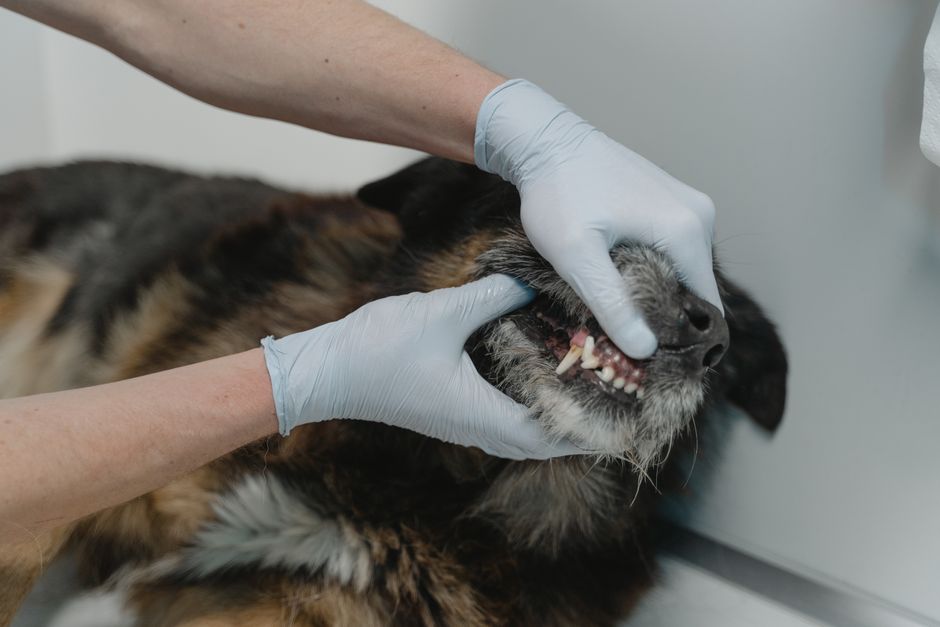
Dental health should not be overlooked in April, as increased outdoor activities can sometimes lead to chipped teeth or oral injuries. Our veterinarians provide professional dental care and routine cleanings to keep your pet’s mouth healthy and pain-free. For behavioral issues that surface with changes in routine, we offer behavior consultations to help address anxiety or unwanted behaviors in a supportive, low-stress environment.
Prevention and Home Care: Keeping Your Pet Healthy All Season
Proactive care is the key to a healthy, happy spring for your pet. Start by wiping your dog’s paws and coat after walks to remove pollen and outdoor debris. Regular bathing with gentle, pet-safe shampoos can help minimize allergen exposure and soothe irritated skin. For cats, especially those who go outdoors, brushing their coats and checking for fleas or ticks after time outside is essential.
Maintaining a consistent parasite prevention routine is non-negotiable in Northlake’s climate. Administer monthly flea, tick, and heartworm preventives as directed by your veterinarian, and never skip doses—missing even one month can increase the risk of infestation or disease. Keep your yard tidy by mowing grass, removing standing water, and trimming bushes to make your outdoor space less appealing to pests.
Monitor your pet’s behavior and appetite, as subtle changes can signal discomfort or illness. Encourage healthy activity by providing safe toys and interactive play, both indoors and outdoors. For pets prone to anxiety with increased activity or noise in the neighborhood, consider creating a quiet retreat area in your home. Consult with our veterinary team if you notice any persistent scratching, sneezing, or unusual behavior.
Scheduling a wellness examination in April allows us to catch potential issues early, update vaccinations, and review your parasite prevention plan. If you are planning to travel with your pet, now is also the time to ensure all health certificates and travel documents are in order.
When to Seek Veterinary Care: Guidance from Your Northlake Vet
Knowing when to call your northlake vet can make all the difference for your pet’s well-being. If your dog or cat is experiencing constant scratching, open sores, persistent sneezing, coughing, or difficulty breathing, it is time to schedule an appointment. Other warning signs that require prompt attention include visible parasites, sudden hair loss, swelling, vomiting, diarrhea, or any change in behavior such as lethargy, aggression, or hiding.
Pets with chronic health conditions, allergies, or a history of parasite infestations should be monitored closely. If you are unsure whether your pet’s symptoms are serious, our veterinary team is always happy to provide guidance and recommend next steps. For emergencies, seek immediate care at an after-hours clinic; however, for most springtime concerns, a timely visit to your local general practice veterinarian is the best way to ensure thorough, compassionate care.
Remember that preventive care is your strongest tool against seasonal health challenges. Scheduling regular checkups, staying up-to-date with parasite prevention, and maintaining open communication with your veterinarian will help your pet enjoy everything spring has to offer.
Keeping Your Pet Thriving This Spring: Schedule with Your Northlake Vet
April is the perfect time to refresh your pet’s health plan and address the unique challenges spring brings to Northlake and surrounding communities. By staying vigilant for signs of allergies and parasites, maintaining a strong prevention routine, and partnering with a trusted northlake vet, you set the stage for a vibrant, healthy season.
If you have noticed any changes in your pet’s health or simply want to give them the best start to spring, we encourage you to schedule a wellness examination with our experienced veterinary professionals. Our team is dedicated to providing personalized care, support, and practical advice every step of the way. Whether you are searching for a veterinarian near me or need guidance on seasonal pet health, Canyon Falls Veterinary Hospital is here for you.
To book your pet’s spring checkup or ask about our preventive care services, call us at (972) 559-9500 or visit us at 7251 Canyon Falls Dr, Suite 201, Northlake, TX 76226. For convenient access to parasite prevention and prescription refills, explore our online pharmacy. We look forward to helping your pet thrive all season long.
Medical Disclaimer: This blog is for informational purposes only and does not replace professional veterinary advice. If your pet is experiencing symptoms or you have questions about their health, please consult your veterinarian for personalized guidance.