Safe Pet Anesthesia: What Northlake Pet Owners Should Know


Safe Pet Anesthesia: What Northlake Pet Owners Should Know
If your pet needs surgery or a dental procedure, it’s natural to feel anxious about anesthesia. Every pet owner wants to know their furry family member will be safe, comfortable, and well-cared-for throughout the process. At Canyon Falls Veterinary Hospital, located in the heart of Northlake and serving surrounding communities, our focus on safe pet anesthesia provides reassurance and peace of mind during these important moments. In this article, we’ll walk you through how we keep anesthesia as safe as possible, what steps we take before, during, and after procedures, and how you can be part of your pet’s safety plan. By the end, you’ll have a clear understanding of what to expect and how our veterinary professionals are committed to your pet’s wellbeing at every step.
Safe pet anesthesia is a cornerstone of the compassionate care we provide in our modern facility. From initial wellness assessments to the latest in monitoring technology, our approach is designed to minimize risk and maximize comfort. If you're interested in learning more about our anesthesia protocols, you can find detailed information on our safe pet anesthesia page.
Recognizing When Your Pet Might Need Anesthesia
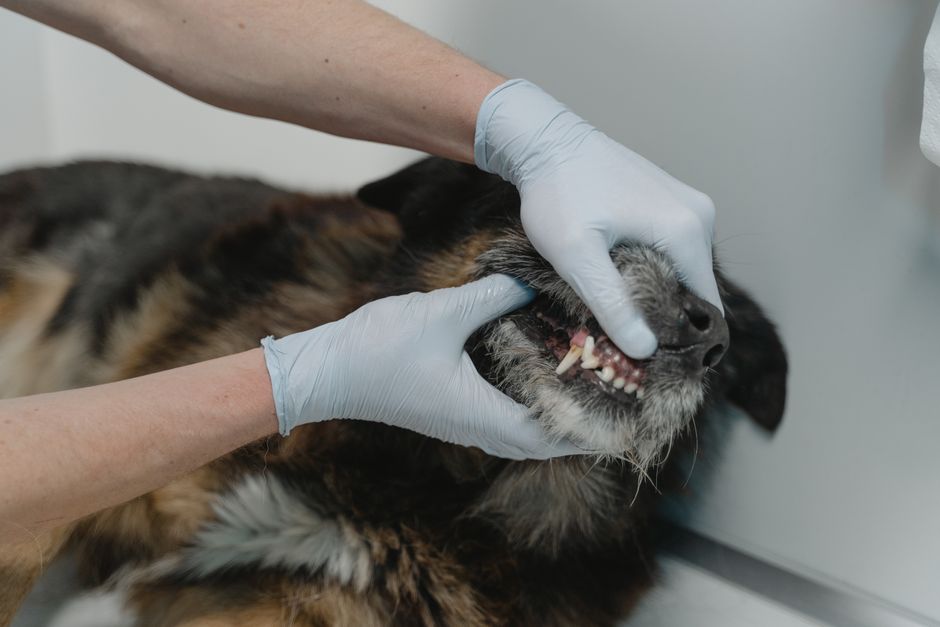
Most pet owners first encounter anesthesia when their cat or dog needs a routine surgery, dental cleaning, or diagnostic procedure. Common situations requiring anesthesia include spay or neuter surgeries, tooth extractions, growth removals, orthopedic repairs, and even advanced imaging like radiographs or ultrasound when a pet cannot stay still. You may notice your veterinarian recommending anesthesia for both planned procedures and urgent medical needs.
Key reasons your pet might require anesthesia involve anything where pain management, immobility, or safety is essential. For example, a dog with a torn ligament, a cat needing a mass removed, or a rabbit scheduled for a dental trim all benefit from anesthesia’s ability to keep them pain-free and still. Our veterinary team always evaluates whether anesthesia is truly necessary, and we’ll explain why it’s being recommended for your individual pet.
Signs that your pet might require an anesthetic procedure could include persistent dental discomfort, a visible lump or bump, lameness that needs surgical correction, or the need for diagnostic tests that require absolute stillness. If you’re ever uncertain, our veterinarians are here to discuss your pet’s specific situation during a wellness examination.
Understanding Safe Pet Anesthesia: How We Minimize Risk
Pet owners often worry about anesthesia risks, especially for older pets or those with underlying health issues. At Canyon Falls Veterinary Hospital, we take a meticulous, individualized approach to safe pet anesthesia that starts well before the day of the procedure.
Pre-Anesthetic Screening and Preparation
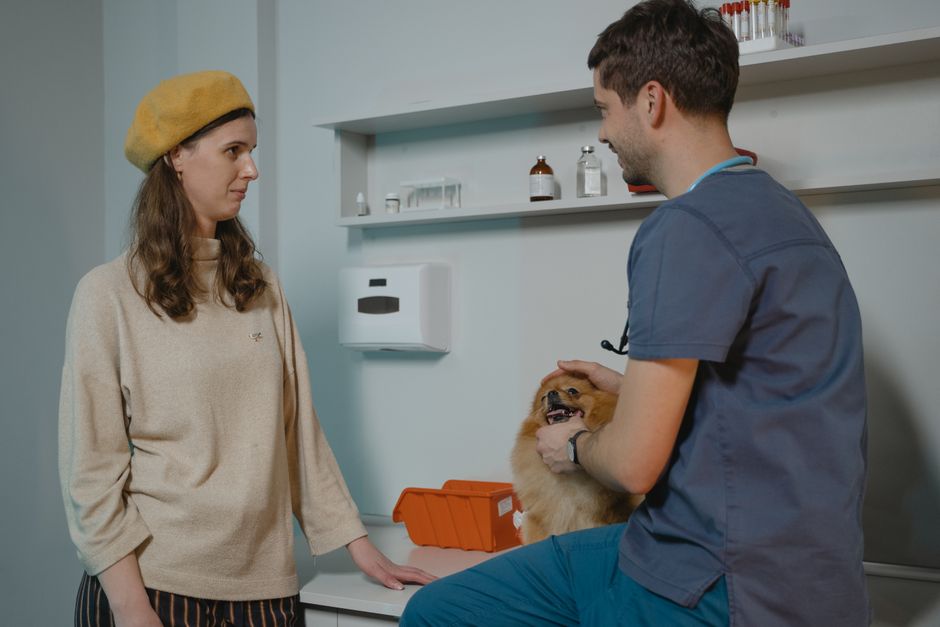
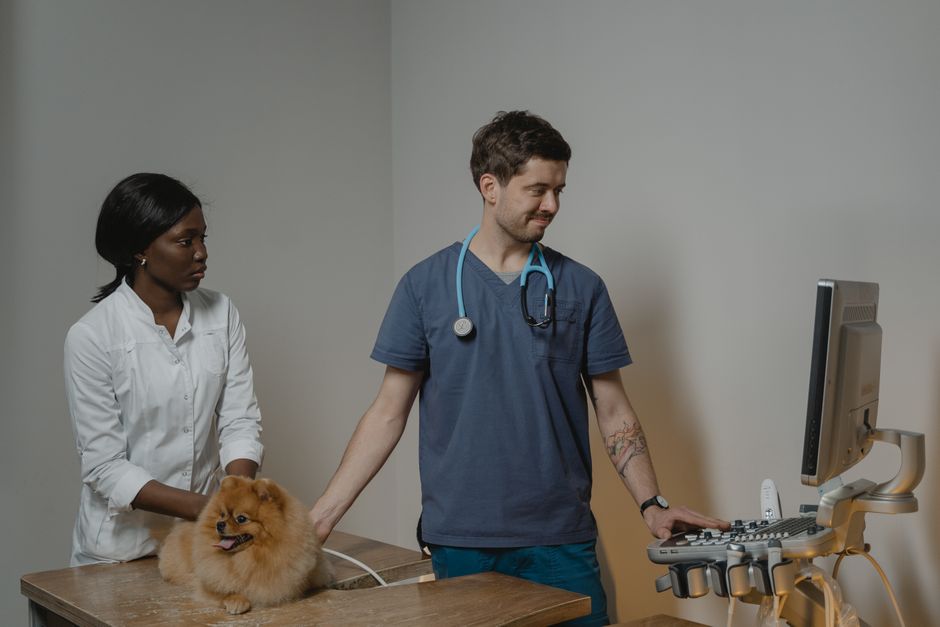
Safety begins with a thorough pre-anesthetic assessment. Our veterinarians perform a complete physical exam, review your pet’s medical history, and discuss any concerns you may have. We recommend bloodwork and other diagnostic tests to assess organ function and catch any hidden conditions that could affect anesthesia. These may include tests to evaluate liver and kidney health, blood sugar, and red and white blood cell counts. For some pets, especially seniors or those with heart conditions, we may suggest digital radiology or ultrasonography to get a clearer picture of their internal health before surgery.
By customizing our anesthesia plan to each pet’s unique needs, we identify and minimize potential risks. Our team selects the safest medications, doses, and monitoring protocols for your pet’s age, breed, and health status.
State-of-the-Art Monitoring During Anesthesia
Once your pet is under anesthesia, our veterinary professionals use advanced equipment to track vital signs in real time. Continuous monitoring includes heart rate, respiratory rate, blood pressure, oxygen and carbon dioxide levels, and body temperature. Our team stays at your pet’s side throughout the procedure, ready to adjust anesthesia levels or intervene if needed.
We utilize modern anesthetic agents that are designed for rapid recovery and minimal side effects. By maintaining constant communication within our veterinary team, we ensure your pet’s comfort and safety from induction to wake-up.
Post-Anesthesia Care and Recovery
Recovery is a critical phase of safe pet anesthesia. After the procedure, your pet is moved to a warm, quiet area where our veterinary professionals continue to monitor vital signs and comfort. We watch closely for any signs of pain, nausea, or delayed recovery, and we provide appropriate pain relief and supportive care as needed.
You will receive detailed instructions on how to care for your pet at home after anesthesia, including what to expect as they wake up, when to offer food and water, and what signs should prompt a call to our clinic. Our veterinarians are always available to answer questions and provide reassurance during the recovery process.
Common Concerns: Is Anesthesia Safe for All Pets?
It’s completely normal to wonder about the safety of anesthesia, especially if your pet is older, has a chronic illness, or has experienced a bad reaction in the past. Advances in veterinary medicine mean that safe pet anesthesia is possible for nearly all pets, including seniors and those with special needs. The key is careful preparation, thorough assessment, and individualized care.
Our veterinary team will talk with you about any specific risk factors your pet may have and how we plan to address them. For example, a senior cat with mild kidney changes might require special fluid therapy, different anesthesia medications, or closer monitoring. A brachycephalic (short-nosed) dog, such as a Bulldog or Pug, will have a plan tailored to their unique airway challenges.
We encourage you to share any previous anesthesia experiences, allergies, or concerns during your consultation. Working together helps us create the safest and most comfortable experience for your pet.
What You Can Do: Preparing Your Pet for Anesthesia
Pet owners play an important role in supporting safe pet anesthesia. Before your pet’s procedure, follow all instructions from our veterinary team closely. This may include fasting your pet overnight, withholding certain medications, or giving prescribed medications as directed. Alert us if your pet has been ill, has eaten anything unusual, or if you notice any changes in their regular routine before the procedure.
On the day of your pet’s appointment, try to remain calm and positive; pets often pick up on our emotions. Bring any comfort items that help your pet feel at ease, such as a favorite blanket or toy. When you arrive at our Northlake location, our veterinary professionals will review the day’s plan and answer any last-minute questions.
After the procedure, follow all post-anesthesia instructions carefully. Watch for signs of pain, lethargy, or unusual behavior, and do not hesitate to contact us if anything seems out of the ordinary.
When to Seek Veterinary Care: Prioritizing Your Pet’s Safety
If your pet is scheduled for a procedure that requires anesthesia, or if you suspect your pet needs surgery or dental care, it’s important to consult with a veterinarian promptly. Certain symptoms, such as persistent oral pain, a growing mass, difficulty walking, or unexplained lethargy, should be evaluated without delay. Early intervention allows us to plan for the safest possible anesthetic experience and the best outcome for your pet.
For new or existing concerns, scheduling a wellness and preventive care visit can help us catch potential issues early and prepare your pet for anesthesia if needed. If you are unsure whether your pet’s symptoms warrant a visit, our veterinary team is happy to guide you.
Remember, attempting to treat or diagnose anesthesia-related concerns at home is never advisable. Professional veterinary evaluation is the safest way to protect your pet’s health.
Why Canyon Falls Veterinary Hospital Is Your Partner in Safe Pet Anesthesia
At Canyon Falls Veterinary Hospital, we view every pet as a beloved member of the family. Our commitment to safe pet anesthesia in Northlake and surrounding communities is reflected in our thorough preparation, advanced technology, and compassionate care. We believe in open communication, transparency, and empowering pet owners to make informed decisions.
If you’re searching for a "vet near me" who prioritizes safety, expertise, and your peace of mind, our veterinary professionals are here for you. Our modern facility on Canyon Falls Dr. offers comprehensive services, from anesthesia consultations and diagnostics to ongoing preventive care.
To discuss safe pet anesthesia or to schedule an appointment for your pet, call us at (972) 559-9500 or visit our safe pet anesthesia page for more information. Our veterinary team looks forward to supporting your pet’s health every step of the way, providing the trusted, local expertise your family deserves.
This blog is intended for informational purposes and does not replace professional veterinary advice. Always consult your veterinarian for individualized recommendations and care.