Safe Pet Anesthesia: What Northlake Pet Owners Should Know


Safe Pet Anesthesia: What Northlake Pet Owners Should Know
When your pet needs surgery or a dental procedure, one of the biggest concerns is often the safety of anesthesia. At Canyon Falls Veterinary Hospital, located at 7251 Canyon Falls Dr, Suite 201, Northlake, TX 76226, we understand how important your dog or cat’s well-being is to you. Our team is dedicated to providing safe pet anesthesia, using advanced monitoring and individualized care to make every procedure as stress-free as possible for both you and your pet. In this blog, we’ll guide you through what safe pet anesthesia means, how we reduce risks for your companion, and what you can expect before, during, and after an anesthetic event. Whether your pet is facing a routine dental cleaning or a more complex surgery, knowing what to expect can bring peace of mind and help you make informed decisions about their care. We’re here to answer your questions and support you every step of the way.
Recognizing When Anesthesia Is Needed for Your Pet
Most pet owners will encounter anesthesia as part of their pet’s veterinary care at some point, whether it’s for a spay or neuter surgery, dental cleaning, or a more complicated orthopedic procedure. Common situations that require anesthesia include dental treatments for tartar and gum disease, removal of masses or foreign objects, and certain advanced imaging procedures like ultrasounds that require your pet to remain still. Signs that your pet may need a procedure involving anesthesia often include dental issues such as bad breath, visible tartar, or difficulty eating; the discovery of lumps or bumps; limping or signs of pain; or recommendations from your veterinarian following a wellness visit.
If your veterinarian advises a procedure requiring anesthesia, it is because this approach is the safest and least stressful way to perform the necessary treatment. Anesthesia ensures your pet is comfortable and immobile, which allows the veterinary team to work efficiently and minimizes both pain and anxiety for your dog or cat.
Understanding the Safety of Pet Anesthesia
The thought of anesthesia can be daunting, but advances in veterinary medicine have made it safer than ever before. At Canyon Falls Veterinary Hospital, our approach to safe pet anesthesia is comprehensive and tailored to each patient’s individual needs. Safety starts before your pet’s procedure with a thorough pre-anesthetic evaluation. This involves a physical exam and appropriate laboratory testing to assess organ function and screen for any underlying health issues that could affect anesthesia.
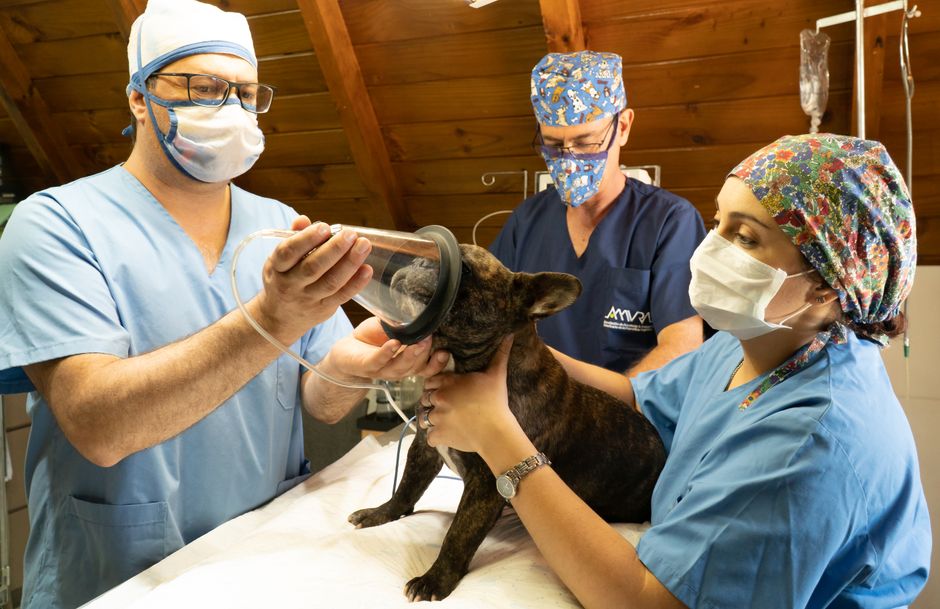
We use modern anesthetic agents that are both effective and quickly eliminated from the body, reducing the risk of lingering side effects. During every procedure, your pet is monitored by our veterinary professionals using advanced equipment that tracks heart rate, blood pressure, oxygen levels, and more. This real-time monitoring allows us to make immediate adjustments and ensure your pet’s vital signs remain stable.
For more information about how our team protects your pet at every step, visit our page on Safe Pet Anesthesia.
What Makes Anesthesia Safe for Dogs and Cats?
Safe pet anesthesia is the result of a meticulous process that considers your pet’s breed, age, medical history, and the specific procedure being performed. Our veterinarians select anesthetic protocols based on current best practices and your pet’s unique needs. For example, older pets, those with heart or kidney disease, or certain breeds with known sensitivities receive special consideration.
Pre-anesthetic bloodwork helps identify risk factors, while intravenous fluids support blood pressure and help with recovery. Our veterinary team remains with your pet throughout the entire anesthetic event, providing constant supervision from induction to recovery.
How We Manage and Minimize Anesthesia Risks
While anesthesia always carries some degree of risk, the vast majority of pets recover smoothly thanks to careful planning, modern drugs, and expert monitoring. At Canyon Falls Veterinary Hospital, we take multiple steps to minimize risks. These steps include reviewing your pet’s medical history, performing pre-anesthetic testing, and using the safest available anesthetic agents. During the procedure, our veterinary professionals monitor your pet’s vital signs closely; this includes tracking heart rate, respiratory rate, oxygen saturation, temperature, and blood pressure.
Additionally, we tailor our anesthetic protocols and pain management strategies to your pet’s individual needs. For certain procedures, such as dental cleanings, we use local anesthetics and nerve blocks to decrease the amount of general anesthesia required. Pain management is always a priority—both during and after the procedure—so your pet wakes up comfortably.
For surgeries that require general anesthesia, such as orthopedic procedures or soft tissue repairs, you can learn more about our approach by visiting our page on advanced surgical procedures for pets using safe anesthesia.
The Role of Anesthesia in Dental and Surgical Procedures
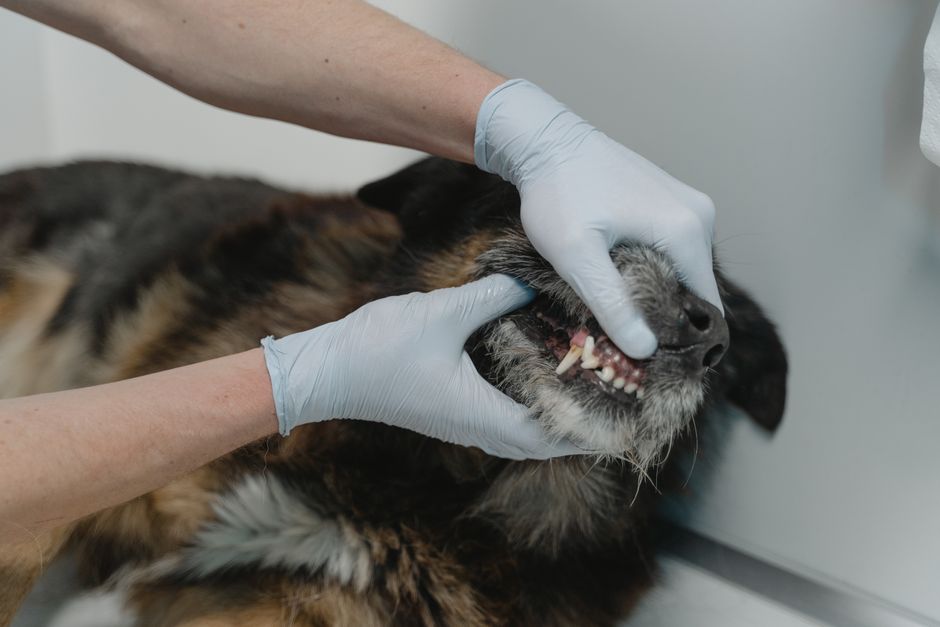
Many pet owners are surprised to learn that even routine dental cleanings require anesthesia. This is because thorough dental care for pets involves cleaning below the gumline, where bacteria and tartar can cause pain, infection, and even organ damage if left untreated. Anesthesia allows us to perform these cleanings safely and effectively, without causing fear or discomfort for your pet.
Surgical procedures—such as spays, neuters, lump removals, and orthopedic repairs—also rely on anesthesia to ensure your pet’s safety and comfort. Our team uses state-of-the-art monitoring and pain management for every surgical event, so you can feel confident that your pet is in good hands.
If you’re interested in how anesthesia is used during pet dental cleanings, we invite you to explore our dental health services for pets, which provide further details on what to expect.
What to Expect Before, During, and After Anesthesia
Knowing what happens at each stage of the process can ease anxiety and help you prepare your pet for anesthesia. Before the procedure, you’ll have a consultation with our veterinarians to review your pet’s health, discuss the planned procedure, and answer your questions. You will likely be asked to withhold food for several hours before anesthesia to reduce the risk of aspiration.
On the day of the procedure, your pet will receive a thorough exam and any necessary pre-anesthetic bloodwork. Our veterinary team will place an intravenous catheter to administer fluids and medications. Anesthesia is then induced using carefully selected drugs, and your pet is closely monitored throughout the procedure. Once the treatment is complete, your pet is moved to a comfortable recovery area where monitoring continues until they are fully awake and stable.
After anesthesia, you may notice your pet is a little sleepy or unsteady for a short time. Our team will provide detailed home care instructions, including how to watch for any unusual signs and when to offer food or water. Most pets recover quickly, but it’s important to follow post-procedure guidelines for the smoothest recovery.
How Pet Owners Can Help: Preparing Your Pet for Anesthesia
You play an important role in ensuring your pet’s anesthesia experience is as safe as possible. Following pre-procedure instructions is crucial; these usually include withholding food for a set period, making sure your pet arrives on time, and letting your veterinarian know about any changes in your pet’s health or behavior before the procedure. Be sure to provide a complete list of any medications or supplements your pet takes, as these can affect anesthesia.
After the procedure, keep your pet in a quiet and comfortable area at home. Monitor for signs such as prolonged grogginess, vomiting, difficulty breathing, or swelling at the surgical site. If you notice any concerning symptoms, contact our veterinary team right away for guidance.
When to Seek Veterinary Care or Ask Questions
It’s always better to ask questions and share your concerns about anesthesia before your pet’s procedure. Our veterinarians are here to discuss the benefits, risks, and alternatives so you feel fully informed. If your pet has a chronic health condition, is a senior, or has had a previous reaction to anesthesia, let us know as early as possible so we can adapt our protocols.
After any anesthetic procedure, if your pet seems excessively drowsy, is unwilling to eat or drink after the recommended time, has trouble standing, is vomiting, or shows signs of pain or distress, reach out to us immediately for advice. Our commitment to your pet’s well-being continues well beyond the procedure itself.
Our Commitment to Safe Pet Anesthesia in Northlake
At Canyon Falls Veterinary Hospital, we know that choosing anesthesia for your pet is a big decision. Our veterinary professionals are committed to providing safe pet anesthesia for every dog and cat in Northlake and the surrounding communities. We use advanced technology, individualized protocols, and compassionate care to ensure your pet’s comfort and safety—whether for a dental cleaning, soft-tissue surgery, or orthopedic repair.
If you are searching for a "vet near me" who prioritizes safety and personalized care, our team is here to help. Schedule an appointment with our knowledgeable veterinarians by calling (972) 559-9500 or visiting us at 7251 Canyon Falls Dr, Suite 201, Northlake, TX 76226. For more details about our anesthesia safety protocols, visit our page on Safe Pet Anesthesia. Your pet’s health, comfort, and safety are always our top priorities, and we look forward to being your trusted partner in lifelong veterinary care.
Medical Disclaimer: This blog is intended for informational purposes only and does not replace professional veterinary care. Always consult your veterinarian for specific advice about your pet’s health and medical needs.