Spring Allergies in Pets: Northlake Pet Hospital Solutions


Spring Allergies in Pets: Northlake Pet Hospital Solutions
Springtime in Northlake brings blooming wildflowers, warmer breezes, and longer days for you and your pets to enjoy. Unfortunately, this beautiful season also signals the arrival of allergy season, which can bring discomfort to dogs, cats, and even exotic pets. If you’ve noticed your pet itching, sneezing, or developing skin irritation as the weather turns, you are not alone. At Canyon Falls Veterinary Hospital, your trusted northlake pet hospital, we understand how seasonal allergies can disrupt your pet’s comfort and your peace of mind. In this guide, we’ll help you recognize the signs of pet allergies, explain why they occur, outline treatment options, and offer practical advice for keeping your furry family members healthy throughout the spring in Northlake and surrounding communities. Our veterinary team is here to support you with comprehensive care, so you can enjoy every moment of the season together.
Recognizing Spring Allergy Symptoms in Pets
Spring allergies can manifest in various ways, and knowing what to watch for is the first step in helping your pet feel better. Key symptoms include persistent itching, redness or irritation of the skin, frequent ear infections, excessive licking or chewing at the paws, watery eyes, sneezing, and in some cases, hair loss. Dogs often show signs through scratching at their sides or face, while cats might groom themselves more aggressively or develop red, inflamed skin. Exotic pets such as rabbits and guinea pigs may display respiratory symptoms or changes in behavior if they are allergic to environmental triggers. If your pet seems more bothered by itching or sneezing during springtime walks or after spending time outdoors, it could be a sign that pollen or other seasonal allergens are the culprit.
Pets with allergies may also develop secondary infections, especially if scratching or licking leads to broken skin. Another sign to watch for is frequent head shaking, which can signal ear discomfort or infection related to allergies. These symptoms may be mild or severe, and they often worsen after exposure to grass, weeds, or blooming plants common in Northlake during the spring months.
What Causes Spring Allergies in Northlake Pets?
Spring allergies in pets are primarily caused by environmental allergens that become more prevalent as plants bloom and release pollen. The most common triggers include tree, grass, and weed pollen, as well as mold spores that thrive in damp, warmer conditions. In Northlake and the surrounding Texas communities, the combination of wind, humidity, and abundant plant life often means high pollen counts throughout the spring.
When pets are exposed to these allergens, their immune systems may overreact, leading to inflammation of the skin, eyes, or respiratory tract. This reaction is known as atopy or atopic dermatitis when it involves the skin. Some pets may also be allergic to dust mites or molds that become more active with spring rains, adding to their discomfort. Additionally, flea bites are a year-round concern in Texas, but warmer weather can increase flea activity and contribute to allergic reactions, especially in sensitive pets.
Certain breeds, such as terriers, retrievers, and brachycephalic cats, may be more prone to seasonal allergies. However, any dog, cat, or exotic pet can develop sensitivities over time. Genetics, age, and overall health can all influence how severely a pet is affected. Even indoor pets are not exempt, as pollen and spores can be carried inside on shoes, clothing, or through open windows.
How a Northlake Pet Hospital Diagnoses and Treats Allergies
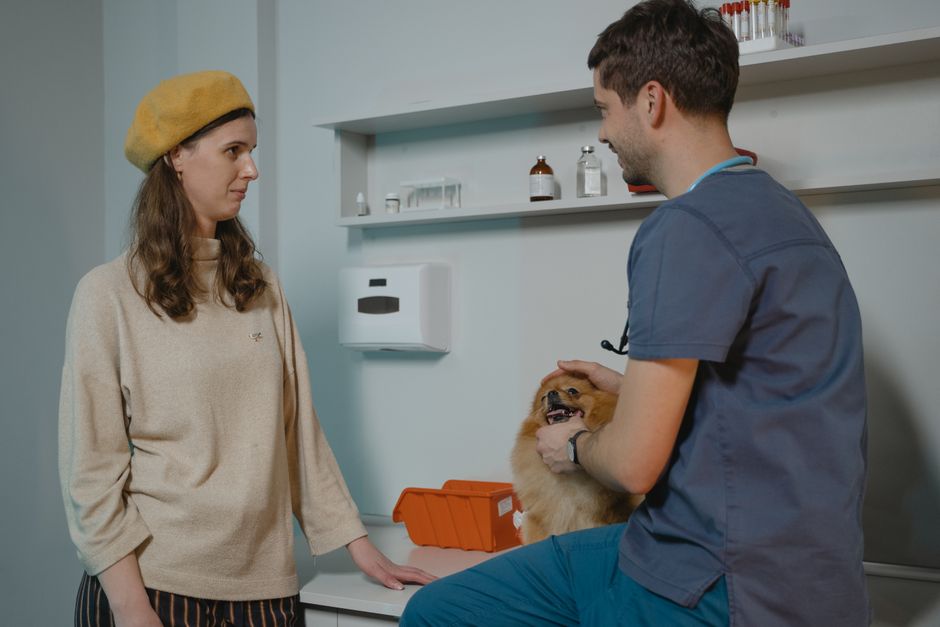
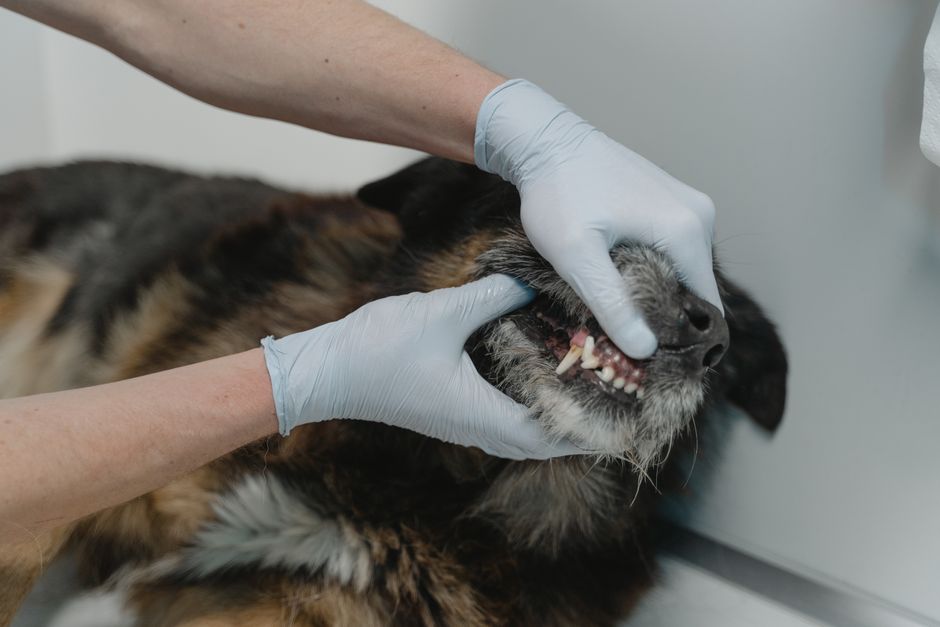
If your pet is showing signs of spring allergies, the first step is scheduling a wellness examination at your northlake pet hospital. Our veterinarians will begin by gathering a thorough history, asking about changes in your pet’s environment, diet, and daily routine. During the visit, we’ll perform a comprehensive physical exam, paying close attention to the skin, ears, and eyes for evidence of irritation or infection.
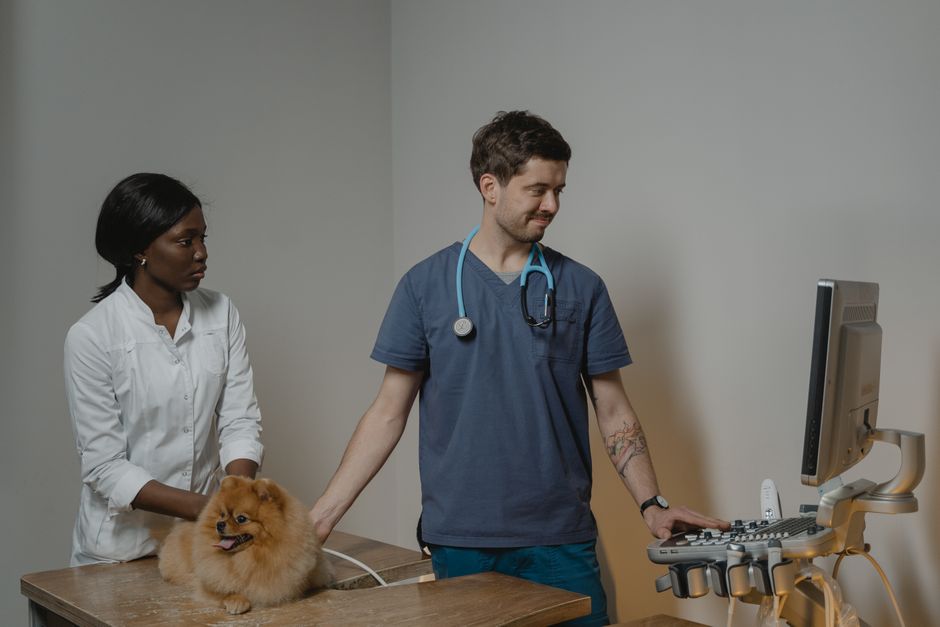
Diagnostic approaches may involve skin scrapings or cytology to check for secondary infections, as well as blood tests or intradermal allergy testing in persistent cases. Our team may also recommend ruling out other causes of itching or respiratory symptoms, such as parasites or food allergies, which can mimic seasonal allergy signs. If needed, our onsite diagnostic laboratory services provide fast, accurate results to help us tailor a treatment plan for your pet’s unique needs.
Treatment for pet allergies is multifaceted and may include antihistamines, prescription topical therapies, medicated shampoos, or in some cases, corticosteroids for short-term relief. For pets with ongoing symptoms, immunotherapy or allergy vaccines can help desensitize their immune systems over time. Managing secondary infections, such as bacterial or yeast overgrowth, is also critical to breaking the cycle of itching and discomfort.
For pets that continue to struggle despite standard treatments, our behavior consultations can help address stress-related behaviors related to chronic itching or discomfort. Additionally, our online pharmacy offers convenient access to allergy medications and preventive products, ensuring your pet’s care continues seamlessly at home.
Practical Steps to Prevent and Manage Allergies at Home
While professional care is essential for diagnosing and treating pet allergies, there are several steps you can take at home to help reduce your pet’s exposure to spring allergens. Regularly wiping your pet’s paws and coat after outdoor walks helps remove pollen and other irritants before they can trigger a reaction. Bathing your pet with a veterinarian-recommended hypoallergenic shampoo can soothe the skin and further reduce allergen load.
Frequent vacuuming of carpets, rugs, and upholstery, along with washing pet bedding in hot water, helps limit indoor allergen accumulation. Keeping windows closed during peak pollen times and using high-efficiency particulate air (HEPA) filters in your home can also make a significant difference. For cats and dogs prone to ear infections, regular ear cleaning with a vet-approved solution can help prevent secondary problems.
If your pet requires allergy medication or preventive products, our online pet pharmacy makes it easy to order refills and maintain consistent treatment. For exotic pets, maintaining a clean, dust-free environment and avoiding sudden changes in bedding or diet can help minimize allergy flare-ups.
When to Seek Veterinary Care for Your Pet’s Allergies
Knowing when to seek veterinary help is crucial for managing allergies effectively. You should schedule an appointment if your pet exhibits persistent itching that leads to skin wounds, repeated ear infections, ongoing sneezing or coughing, or signs of discomfort that do not improve with basic home care. Other warning signs include hair loss, hot spots, or changes in appetite and behavior.
Pets with severe allergies may require prescription medications or advanced therapies that can only be provided by a veterinary professional. Early intervention not only relieves your pet’s discomfort but also prevents complications such as secondary infections or chronic inflammation. If you are unsure whether your pet’s symptoms need a veterinary evaluation, our team at Canyon Falls Veterinary Hospital is always available to answer your questions and guide you toward the best solution.
For exotic pets, any changes in breathing, skin appearance, or normal activity should prompt a call to your veterinarian, as these animals often hide signs of illness until problems become more serious. Our exotic pet care services ensure that even your smallest family members receive the specialized attention they deserve.
Your Partner in Spring Allergy Relief: Contact Canyon Falls Veterinary Hospital
Spring allergies do not have to keep your pet from enjoying all the season has to offer. By recognizing the signs of allergic reactions, understanding the causes, and partnering with a dedicated northlake pet hospital, you can help your pet stay comfortable and healthy year-round. At Canyon Falls Veterinary Hospital, our veterinarians are committed to providing personalized, compassionate care for pets in Northlake and surrounding communities.
If you are searching for a vet near me who understands the unique challenges of spring allergies, we invite you to schedule an appointment with our veterinary team. Whether your pet needs a thorough allergy evaluation, ongoing management, or preventive care, you will find the expertise and support you need at our modern, family-owned hospital.
To get started, contact us at (972) 559-9500 or visit us at 7251 Canyon Falls Dr, Suite 201, Northlake, TX 76226. Our team is ready to help your pets thrive this spring and beyond. For more information on our wellness and preventive care options, explore our wellness examination services or order your pet’s allergy medications through our online pharmacy for convenient home delivery.
Remember, every pet deserves to feel their best—let us be your partner in providing the allergy solutions your family needs this spring.
This article is intended for informational purposes only and does not substitute for professional veterinary advice. If you have concerns about your pet’s health, please schedule an appointment with your veterinarian.