How To Keep Pets Safe In July: Tips From Your Northlake Vet


How To Keep Pets Safe In July: Tips From Your Northlake Vet
Summer in Northlake, TX, brings vibrant days, outdoor adventures, and plenty of sunshine. But as temperatures climb, pet owners face new challenges to keep their dogs and cats safe from heat-related dangers. At Canyon Falls Veterinary Hospital, our team understands how quickly a fun afternoon can turn risky for pets during a typical Texas July. This guide from your trusted northlake vet shows you how to spot early signs of heat stress, prevent overheating, manage hydration, and recognize when a veterinary visit is essential. Whether you live in Northlake or one of our surrounding communities, you can rely on our veterinary team to help your pet enjoy a happy, healthy summer. We’ll also highlight when to schedule an appointment and how our wellness and preventive care services can keep your pet protected all season.
Recognizing Heat-Related Problems in Dogs and Cats
July’s soaring temperatures can quickly overwhelm even the healthiest pets. Heatstroke and heat exhaustion are among the most serious threats, but milder issues such as dehydration, sunburn, and paw pad injuries are also common. It’s important for pet owners to know the signs that indicate their dog or cat may be struggling with the heat.
Key symptoms of heat stress in pets include excessive panting, drooling, rapid heart rate, or red gums. Dogs might seek shade or lie down suddenly, while cats often hide in cool, dark spaces. Other warning signs are vomiting, diarrhea, wobbliness, or lethargy. In severe cases, pets can collapse or have seizures. Paw pads can burn on hot sidewalks, and light-colored or thin-coated pets may develop sunburn on their noses, ears, or bellies. If your pet seems unsteady, refuses water, or displays unusual behavior after time outdoors, it’s time to take action.
Understanding Why Summer Heat Is Risky for Pets
The Texas summer sun creates unique challenges for dogs and cats. Unlike humans, pets cannot sweat efficiently, so they rely on panting or grooming to cool themselves. When the air is humid or there’s little breeze, these natural cooling methods are far less effective. Certain breeds, especially flat-faced dogs like Bulldogs or Pugs, and long-haired or overweight pets, struggle even more to regulate their temperature.
Additional risk factors include intense exercise, lack of shade, and walking on hot pavement. Even a parked car, shaded or not, can become dangerously hot within minutes. Pets left outdoors for extended periods, especially during midday, face higher risks of dehydration and heatstroke. Cats that live indoors may still be at risk if air conditioning fails or if windows are left open on particularly hot days.
Local conditions matter, too. Northlake and nearby communities often experience high humidity and little cloud cover in July, which magnifies the risk of heat-related illness for pets. Understanding how quickly the environment can change helps owners make safer summertime choices.
Professional Treatment and What to Expect From Your Northlake Vet
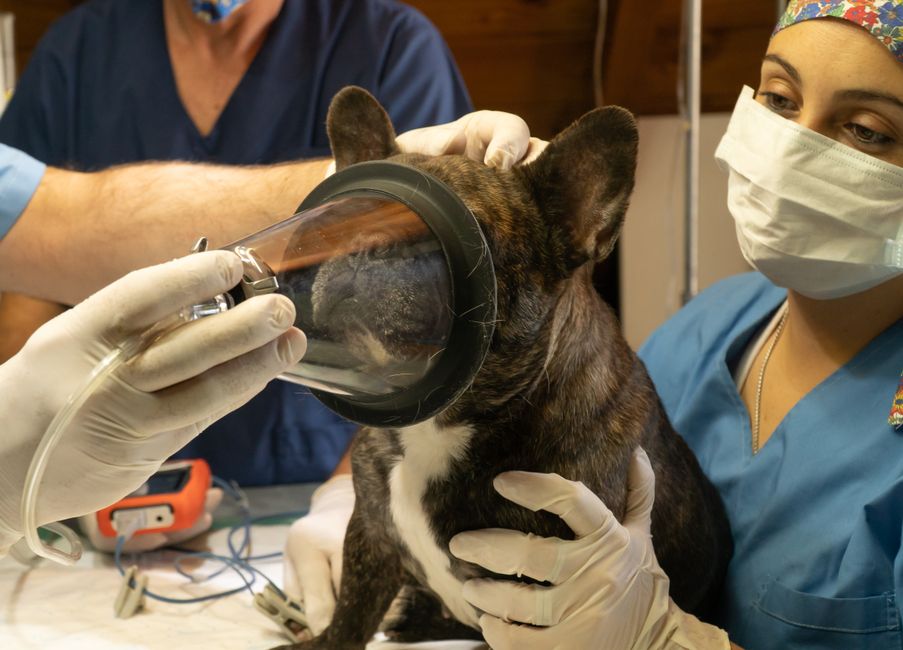
If your pet shows signs of heatstroke or severe dehydration, immediate veterinary attention is essential. At Canyon Falls Veterinary Hospital, our veterinarians are equipped to assess your pet’s vital signs, provide intravenous fluids, and monitor for complications such as organ damage or abnormal heart rhythms. Treatment options typically involve gradually cooling your pet using cool (not cold) water, administering oxygen if needed, and running diagnostic tests to evaluate internal health.
Our diagnostic laboratory services allow us to check for electrolyte imbalances, kidney function, and other markers of heat injury. In some cases, pets may require hospitalization for close observation. Early intervention can make all the difference; pets who receive prompt care often recover fully, while delays can lead to lasting complications or worse. If you’re unsure whether your dog or cat needs urgent attention, it’s always safer to call your northlake vet for advice.
How to Prevent Heat-Related Illness At Home
Prevention is always easier than treatment. During July’s hottest days, keeping your pet safe starts with awareness and smart routines. Walk dogs early in the morning or after sunset, when pavement is cooler and the sun’s intensity is lower. Always provide fresh, cool water and encourage pets to drink often. For outdoor play, choose shaded areas and limit strenuous activity. Cats may enjoy ice cubes in their water bowl or a fan positioned to circulate air in their favorite resting spots.
Never leave your pet unattended in a car, even for a few minutes, as temperatures can become deadly in a very short time. Monitor the temperature of patio surfaces and sidewalks by touching them with your hand; if it’s too hot for you, it’s too hot for your pet’s paws. Consider pet-safe sunscreen for light-skinned dogs or cats, and keep long-haired pets well groomed to prevent matting, which can trap heat close to the skin.
For pets with chronic health conditions or those on medication, discuss summer adjustments with your veterinary team. Some pets may benefit from shorter walks, indoor enrichment, or even a summer haircut, depending on their breed and health status. A wellness examination before summer can identify underlying risks and help you create a personalized heat safety plan.
When to Call Your Northlake Vet for Help
Knowing the difference between mild discomfort and a true emergency can be life-saving. If your pet is panting excessively, drooling heavily, or seems weak after time outdoors, bring them inside right away and offer water. If you notice vomiting, diarrhea, seizures, collapse, or unresponsiveness, seek veterinary help immediately. These are signs of possible heatstroke, and urgent care is crucial.
Even if symptoms seem mild, call your northlake vet if your pet recovers slowly, refuses water, or continues to act abnormally. Some issues, like paw pad burns or sunburn, may not seem serious at first but can quickly worsen without proper care. If you are ever in doubt, our veterinary professionals are ready to advise you and determine whether an in-person visit is necessary. For ongoing support, preventive care, and summer safety planning, scheduling a comprehensive pet exam is always a wise choice.
Local Tips for a Safe and Happy Summer
The Northlake area’s July weather can be unpredictable, but smart planning helps your pet thrive. Keep your home cool by using fans or air conditioning, and create shaded spaces in your yard. Rotate outdoor playtimes to early or late in the day, and carry water with you during walks. Watch for changes in your pet’s behavior, appetite, or energy level, and don’t hesitate to call if something feels off.
Remember that aging pets, puppies, and kittens are especially sensitive to heat. If you’re planning summer travel, ask our veterinary team about international health certificates or tips for safe transport. For ongoing support, our wellness and preventive care services and pet vaccination services help protect against seasonal and year-round risks.
Trust Your Northlake Vet for Summer Pet Safety
As July temperatures rise, Canyon Falls Veterinary Hospital is here to help you keep your dog or cat safe, comfortable, and healthy. Our compassionate team offers personalized guidance, thorough preventive care, and expert treatment for summer-specific concerns. If you’re searching for a “vet near me” who truly understands the needs of Northlake pets, look no further. To schedule an appointment or ask about your pet’s summer health, call us at (972) 559-9500 or visit us at 7251 Canyon Falls Dr, Suite 201, Northlake, TX 76226. For more information on our full range of services, including pet diagnostic laboratory services, visit our website or contact our veterinary professionals. Your pet’s safety is our top priority; let your northlake vet partner with you for a joyful, worry-free summer.