Limping Pets: Common Causes and When to See a Vet


Limping Pets: Common Causes and When to See a Vet
Is your dog or cat suddenly limping, hesitating to put weight on a paw, or struggling to get around? As a pet owner, seeing your companion struggle with mobility can be distressing and confusing. You want answers and relief for your pet, but knowing when to be concerned, what causes limping in pets, and how to help can feel overwhelming.
At Canyon Falls Veterinary Hospital, conveniently located at 7251 Canyon Falls Dr, Suite 201, Northlake, TX 76226, our team of veterinarians is dedicated to providing comprehensive, compassionate care for pet mobility problems. Whether you’re in Northlake or a nearby community, our modern facility is here to offer thorough diagnostics, personalized treatment, and ongoing support for every stage of your pet’s life. In this guide, we’ll explore the most common reasons for limping in pets, how to assess the situation at home, when to schedule an appointment, and how our veterinary professionals can help your companion return to comfortable, healthy movement with local pet diagnostics in Northlake.
If you’re searching for a "vet near me" who can address your pet’s sudden limp or ongoing mobility concerns, you’ll find both expertise and empathy at Canyon Falls Veterinary Hospital. Let’s get started by helping you understand what limping means for your dog or cat and how you can respond with confidence.
Recognizing Limping and Mobility Problems in Pets
Limping, also called lameness, means your pet is not bearing weight normally on one or more limbs. Sometimes the signs are obvious: your dog may refuse to use a leg after a run in the yard, or your cat might hold up a paw and avoid jumping. Other times, the symptoms are more subtle and develop gradually, such as a slight hitch in your dog’s gait after long walks, or a reluctance to climb stairs that wasn’t there before.
Key symptoms of pet mobility problems include favoring one leg, stiffness after rest, decreased activity, difficulty rising or lying down, and changes in posture or stride. You might also notice swelling, tenderness, or heat in the affected limb, or your pet may lick or chew at a sore spot. In both dogs and cats, hiding, vocalizing, or changes in personality can signal pain or discomfort associated with limping.
It’s important to recognize that even minor changes in your pet’s movement can indicate underlying pain or injury. Pets often try to hide their discomfort, so early detection and a professional evaluation are essential for prompt relief and lasting recovery.
Common Causes of Limping in Dogs and Cats
There are many reasons a pet might begin to limp, ranging from minor injuries to chronic orthopedic conditions. In our Northlake clinic, we frequently see cases related to accidents, play injuries, chronic disease, and even age-related changes.
Acute injuries such as sprains, strains, and soft tissue trauma are common, especially in active dogs or curious kittens. These injuries often result from slips, falls, vigorous play, or getting a paw caught during everyday activities. Wounds or punctures from sharp objects, insect bites, or foreign bodies stuck in the paw can also cause immediate limping and discomfort.
Chronic causes of limping include arthritis, hip or elbow dysplasia, and degenerative joint disease. Older pets, large-breed dogs, and some cats may develop these conditions gradually, with signs like morning stiffness or reluctance to play. Orthopedic injuries such as torn ligaments, including the cranial cruciate ligament (similar to an ACL in humans), are also a leading cause of persistent lameness in dogs. Patellar luxation, where the kneecap slips out of place, is another condition that can lead to intermittent or persistent limping in both dogs and cats.
Some pets experience mobility problems due to congenital issues, bone fractures, or even neurological disorders. In rare cases, tumors, infections, or autoimmune diseases can affect the limbs and joints, making a thorough evaluation by a veterinarian essential for an accurate diagnosis. If your pet has an unexplained limp, especially one that lasts more than a day or two, scheduling a wellness and preventive care veterinary exam is an important first step.
Diagnosing and Treating Limping: What to Expect at the Vet
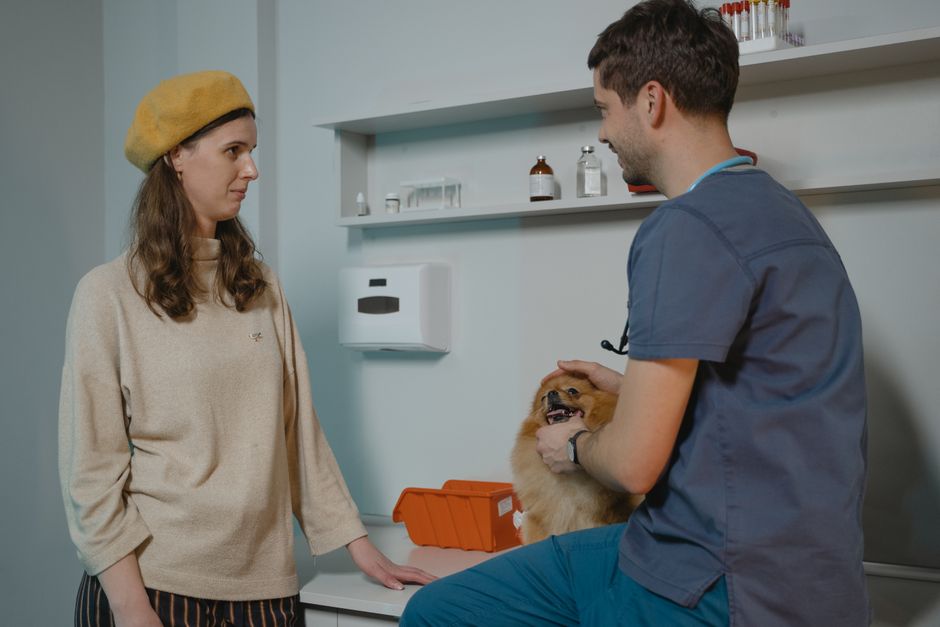
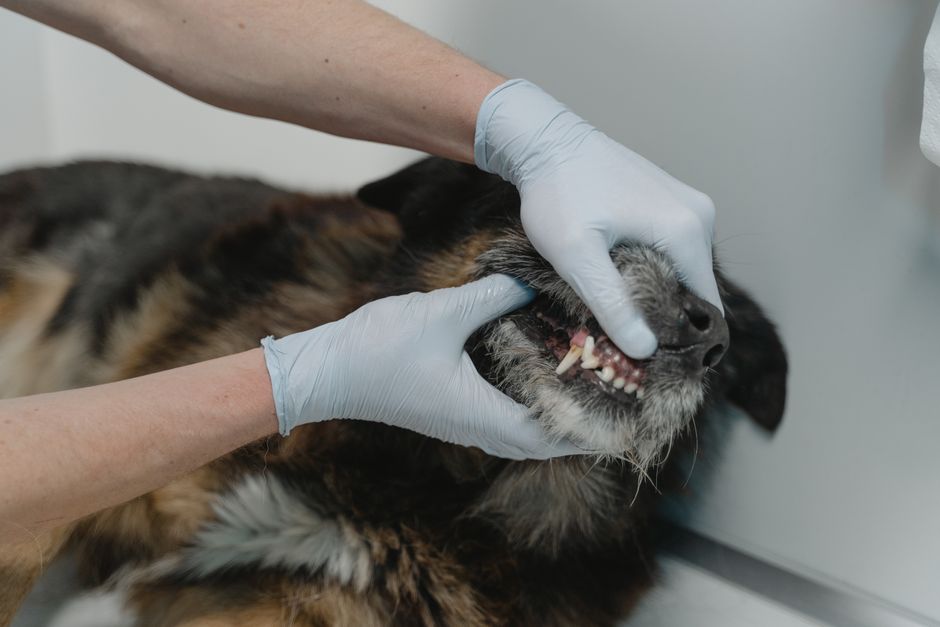
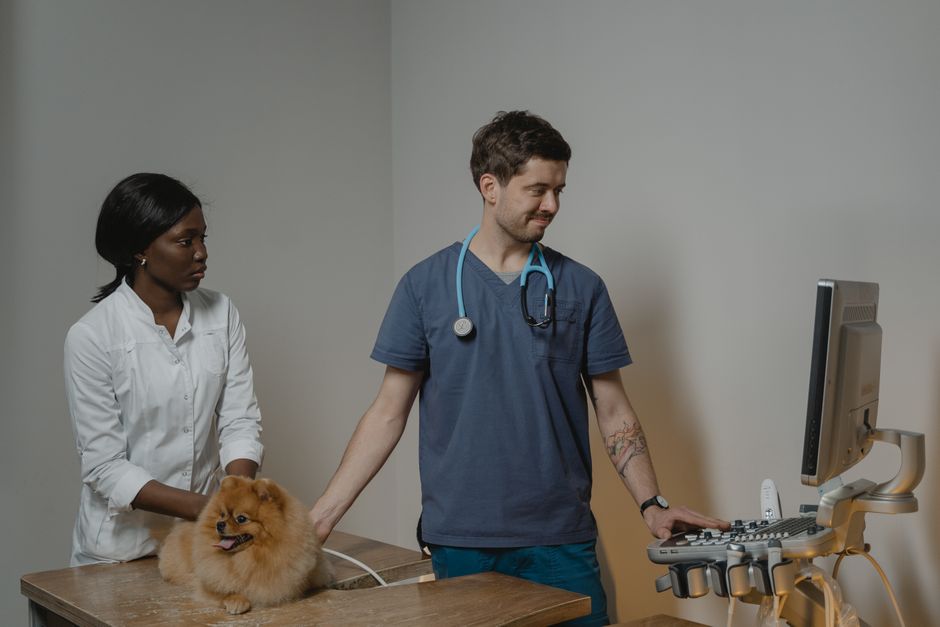
When you bring your limping pet to Canyon Falls Veterinary Hospital, our veterinarians begin with a thorough history and physical examination, focusing on your pet’s gait, posture, and areas of pain or swelling. Depending on the findings, we may recommend advanced diagnostic tools available in Northlake, such as digital radiology (X-rays), ultrasonography, or diagnostic laboratory testing to pinpoint the cause of your pet’s limping.
Treatment options are tailored to the underlying cause and your pet’s unique needs. For soft tissue injuries and mild sprains, rest, anti-inflammatory medications, and gentle rehabilitation may be recommended. Chronic conditions like arthritis often benefit from a combination of pain management, joint supplements, weight control, and physical therapy.
In cases of serious orthopedic injuries or conditions such as cruciate ligament tears or patellar luxation, surgical intervention may be necessary. Our Northlake clinic offers advanced procedures, including cruciate ligament repair surgery for limping pets and patellar luxation (kneecap dislocation) surgery, to restore your pet’s mobility and quality of life. For some pets facing severe trauma or disease, amputation may be the most compassionate choice, and our veterinary professionals provide amputation surgery services for pets with sensitive aftercare and support.
Behavioral changes related to pain or altered mobility may also be addressed through behavior consultations for pets with mobility or gait issues, ensuring a holistic approach to your companion’s wellbeing.
Home Care and Preventing Pet Mobility Problems
While professional veterinary care is essential for diagnosing and treating limping in pets, there are proactive steps you can take at home to support your companion’s comfort and prevent future injuries.
Maintaining a healthy weight is one of the most effective ways to reduce stress on your pet’s joints and minimize the risk of orthopedic problems, particularly in large or aging dogs. Providing regular, low-impact exercise helps keep muscles strong and joints flexible, but always watch for signs of fatigue or discomfort during activity. Creating a safe environment by removing potential hazards, using pet-friendly ramps or steps, and supervising playtime can prevent many common injuries.
If your pet is already showing signs of arthritis or stiffness, offering orthopedic bedding, gentle massage, and supportive supplements (when recommended by your veterinarian) can improve comfort. Regular veterinary check-ups allow for early detection of developing issues and ensure that your pet’s mobility plan remains up to date. Remember, never give human pain medications to pets; always consult your veterinarian before starting any treatment.
When to Schedule a Veterinary Visit for Limping
Determining when to seek veterinary care for a limping pet can be challenging, but certain signs always warrant a prompt appointment. If your pet is unable to bear weight on a limb, shows severe pain, has visible swelling, bleeding, or an obvious injury, immediate attention is necessary. Sudden limping that does not improve within 24-48 hours, or chronic lameness that affects your pet’s quality of life, should also be evaluated by a veterinarian.
Other signs to watch for include fever, lethargy, loss of appetite, or changes in urination and bowel movements, as these can indicate a more serious underlying issue. In the Northlake area, prompt pet diagnostics near you can make all the difference in identifying the cause and beginning effective treatment.
Our team at Canyon Falls Veterinary Hospital encourages pet owners to trust their instincts; if you are concerned about your pet’s mobility, it is always better to err on the side of caution and schedule a consultation. Early intervention often leads to better outcomes and a faster return to normal activity for your pet.
Compassionate Care for Limping Pets in Northlake and Beyond
Watching your pet struggle with limping or mobility problems is never easy, but you are not alone. At Canyon Falls Veterinary Hospital, our veterinary team is committed to helping your dog or cat regain comfort and confidence through thorough diagnostics, advanced treatment options, and ongoing support. Whether your pet needs a comprehensive orthopedic evaluation, advanced imaging, or a personalized pain management plan, we are here to help every step of the way.
If your pet is limping, stiff, or showing signs of discomfort, don’t wait—schedule an appointment with our team of veterinarians today. You can find us at 7251 Canyon Falls Dr, Suite 201, Northlake, TX 76226 or call us at (972) 559-9500 for compassionate, local care. If you are searching for a "vet near me" for pet mobility problems or need pet diagnostic laboratory services in Northlake, our modern clinic and dedicated veterinary professionals are ready to support you and your companion. Learn more about our wellness and preventive care veterinary exams or explore our diagnostic laboratory for pet lameness and other conditions to see how we can help your pet live their happiest, healthiest life.
This blog is for informational purposes only and is not a substitute for professional veterinary advice. If your pet is limping, in pain, or experiencing sudden changes in mobility, please contact a veterinarian for an in-person evaluation.