Spring Pet Safety Tips for Northlake Pet Owners


Spring Pet Safety Tips for Northlake Pet Owners
As winter fades and Northlake welcomes the vibrant renewal of spring, pet owners throughout the community begin to enjoy more outdoor activities with their four-legged companions. This season brings longer days, blooming flowers, and plenty of opportunities for walks, hikes, and backyard playtime. Yet, spring also brings a unique set of hazards that can impact your pet’s health and safety. At Canyon Falls Veterinary Hospital, conveniently located at 7251 Canyon Falls Dr, Suite 201, Northlake, TX 76226, our team of veterinarians is dedicated to helping you protect your beloved pets from common springtime dangers. In this guide, we’ll explore the most important spring pet safety tips for Northlake and surrounding communities, including advice on parasite prevention, seasonal allergies, outdoor hazards, and when to schedule a veterinary visit.
Whether you are enjoying a walk in a local park or sprucing up your garden, these tips can help you keep your pet healthy and comfortable all season long. If you have questions about your pet’s specific risks or want to schedule a wellness examination, our veterinary team is always here to help.
Recognizing Springtime Risks for Your Pet
As the weather warms up, pets in Northlake are exposed to new challenges that may not be present during colder months. Increased outdoor activity can mean greater exposure to parasites, plants, insects, and unpredictable weather. Recognizing the signs that your pet is affected by spring hazards is the first step in providing proactive care.
Common symptoms of spring-related issues include persistent scratching or licking, the sudden appearance of red, inflamed skin, increased sneezing or coughing, and visible signs of discomfort after time spent outdoors. Other warning signs may involve changes in appetite, lethargy, or gastrointestinal upset such as vomiting or diarrhea. If your pet is limping after a walk, has swelling on the paws or face, or seems unusually anxious in the yard, these could also be signals of seasonal concerns.
Paying close attention to these changes, especially after exposure to new environments or activities, helps you catch potential problems early. Even subtle shifts in your pet’s behavior or appearance can be important clues that they need additional support during springtime.
Understanding the Causes: What Spring Brings for Northlake Pets
Spring in Northlake features mild temperatures, frequent rain showers, and a surge in plant growth. While this is a wonderful time for outdoor adventures, it also creates ideal conditions for fleas, ticks, and mosquitoes to thrive. These parasites can transmit diseases such as heartworm, Lyme disease, and ehrlichiosis, which are all concerns for both dogs and cats in our region.
Additionally, blooming plants, freshly cut grass, and increased pollen levels can contribute to seasonal allergies in pets. Dogs and cats may develop sensitivities to grass, tree pollen, or mold spores, leading to itching, sneezing, or watery eyes. Certain outdoor plants and flowers that are popular in spring gardens, such as lilies, azaleas, and sago palms, can be toxic if ingested.
Yard maintenance and gardening also introduce risks. Fertilizers, pesticides, and herbicides can be harmful to pets if they walk on treated lawns or accidentally ingest chemicals. Standing water from spring rains provides breeding grounds for mosquitoes and bacteria, while wildlife activity increases the chances of encounters with snakes, bees, or other local critters.
Lastly, the unpredictable weather of spring—quick temperature swings, thunderstorms, and high winds—can cause stress and anxiety, especially for pets sensitive to noise or changes in routine.
Professional Treatment and Management: How Your Veterinarian Can Help
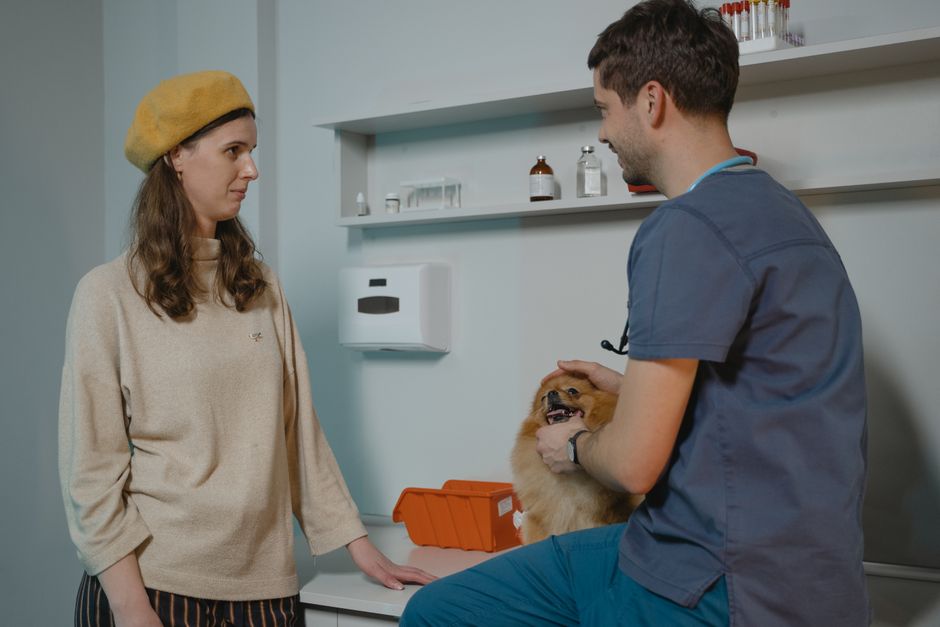
When spring hazards affect your pet, professional veterinary care plays a vital role in diagnosis and effective management. At Canyon Falls Veterinary Hospital, our comprehensive services are designed to address the unique needs of pets during the spring season.
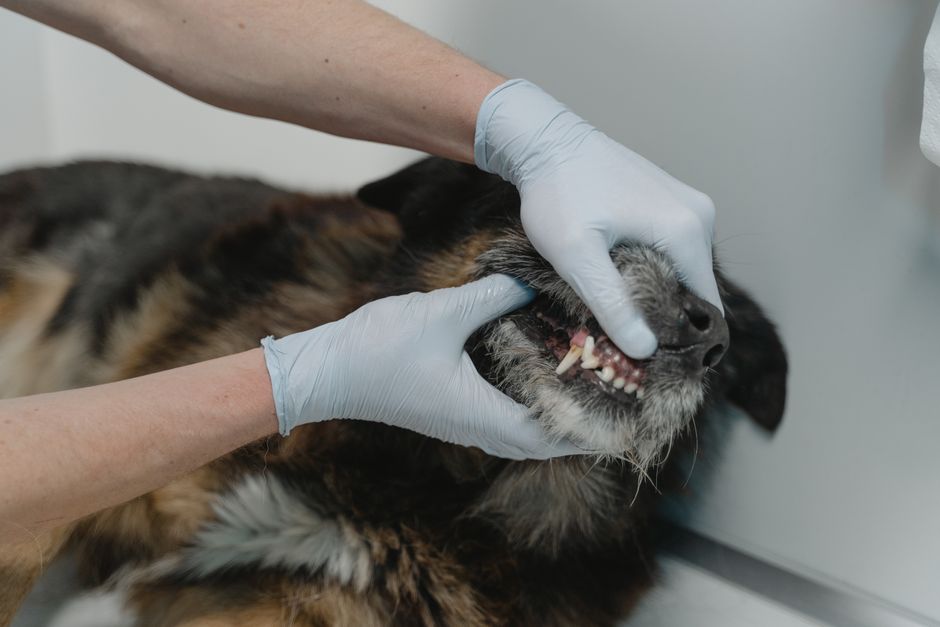
If you notice persistent itching, sneezing, or skin irritation, our veterinarians may recommend a wellness and preventive care examination to pinpoint the cause. Diagnostic testing, such as bloodwork or skin scrapings, helps rule out underlying issues like allergies or infections. For pets with respiratory symptoms, advanced tools such as digital radiology or ultrasonography can provide detailed insights into lung and heart health.
Parasite prevention is especially important in spring. Our veterinary team can recommend the safest and most effective flea, tick, and heartworm preventives tailored to your pet’s lifestyle. These medications are available through our online pharmacy, making it easy to keep your pet protected without extra trips to the clinic.
If your pet develops a reaction to an outdoor toxin or encounters a poisonous plant, prompt intervention is crucial. Treatments may involve medications to control vomiting, activated charcoal to limit absorption, intravenous fluids, or specific antidotes, depending on the substance involved. In cases of bee or wasp stings, we may administer antihistamines or steroids to minimize swelling and prevent systemic reactions.
For pets showing anxiety during storms or outdoor events, our behavioral consultations can provide strategies and, when appropriate, medication recommendations to help them cope with stressful situations.
Preventing Spring Hazards: What Pet Owners Can Do at Home
Taking proactive steps at home can significantly reduce your pet’s risk of springtime illness or injury. Consistent use of veterinarian-recommended parasite prevention is one of the most effective ways to protect your pet from fleas, ticks, and heartworm disease. Ensuring that your pet is up to date on their vaccination services is also important, as some diseases become more prevalent with increased outdoor exposure.
Regular grooming helps remove pollen and outdoor debris from your pet’s coat, reducing the risk of allergies. After outdoor adventures, check your dog or cat for ticks, focusing on hidden areas like behind the ears, between the toes, and under the collar. Wiping your pet’s paws and belly after walks can limit contact with chemicals or allergens picked up outside.
When gardening, choose pet-safe plants and avoid using toxic chemicals. Secure fertilizers and pesticides in locked areas, and keep pets away from treated lawns until safe. Removing standing water from your yard limits mosquito breeding and the spread of bacteria. If you have a pet prone to anxiety during storms, create a quiet, comfortable space indoors and consider using white noise or calming products.
Supervise pets during outdoor play to prevent them from eating unknown plants or encountering wildlife. If your cat enjoys time outdoors, consider a secure catio or harness walks to allow safe exploration without risk.
When to Seek Veterinary Care: Knowing When Spring Hazards Need Expert Help
It can be difficult to determine when your pet’s symptoms require immediate veterinary attention versus simple home care. Generally, you should schedule an appointment with your veterinarian if your pet experiences persistent scratching, hair loss, or skin redness that does not improve in a day or two. Ongoing coughing, sneezing, or nasal discharge also warrants a professional evaluation to rule out allergies or infections.
If your pet displays sudden swelling, facial puffiness, difficulty breathing, vomiting, diarrhea, or collapse after being outside, these are emergency symptoms and require prompt veterinary care. Similarly, if your pet ingests any unknown plant, chemical, or appears to be bitten or stung, immediate attention is necessary to prevent serious complications.
For ongoing concerns like mild allergies, anxiety, or minor skin irritation, your veterinarian can provide tailored advice and effective treatments to keep your pet comfortable. The most important thing is to trust your instincts; if something seems off with your pet, do not hesitate to reach out to your veterinary professionals for guidance.
Keeping Your Pet Safe and Happy This Spring
Spring is a time of renewal and adventure in Northlake and surrounding communities, and your pet deserves to enjoy every moment safely. By staying vigilant for seasonal hazards, practicing preventive care, and knowing when to seek veterinary support, you can help your furry friend thrive through this beautiful season.
If you have questions about spring pet safety, or if you need to schedule a wellness check or discuss parasite prevention, our team of veterinarians at Canyon Falls Veterinary Hospital is here for you. We encourage you to reach out and let us partner with you in keeping your pet healthy and happy, year-round. For those searching for a "veterinarian near me" who understands the unique needs of Northlake pets, look no further than our compassionate, locally owned hospital.
To schedule an appointment or speak with a member of our veterinary team, call us at (972) 559-9500 or visit us at 7251 Canyon Falls Dr, Suite 201, Northlake, TX 76226. For more information on our preventive care services, explore our wellness and preventive care options. Let’s make this spring a safe and joyful season for your entire family—pets included!
This article is intended for informational purposes only and does not replace individualized veterinary advice. Always consult your veterinarian for concerns specific to your pet’s health.