Top Tips for Preventing Summer Pet Emergencies in Northlake



Top Tips for Preventing Summer Pet Emergencies in Northlake
As spring shifts into the heat of summer here in Northlake, TX, local pet owners often find themselves worrying about the unique hazards this season brings for dogs and cats. Whether you are strolling with your dog along the trails in the Canyon Falls community or watching your cat bask in a sunny window, summer in Texas presents real risks—ranging from scorching temperatures and sudden thunderstorms to pests and increased outdoor activity. At Canyon Falls Veterinary Hospital, we understand how much you care about keeping your pet safe and healthy. Our family-owned, full-service hospital is dedicated to helping you navigate these seasonal challenges with confidence. In this blog, we will cover the most common summer pet emergencies in Northlake, signs to watch for, and actionable tips to help your pet avoid harm as temperatures climb. We will also discuss when it is time to contact our compassionate veterinary team at 7251 Canyon Falls Dr, Suite 201, Northlake, TX 76226 for expert care and peace of mind.
Recognizing Summer Pet Emergencies: What to Watch For
Summer in Northlake brings longer days and more time outdoors for pets, but it also means greater exposure to hazards. Heatstroke is one of the most serious threats, especially during May and the peak summer months. Signs of heatstroke in pets include excessive panting, drooling, weakness, vomiting, or collapse. You might notice your dog seeking shade or struggling to recover after exercise, or your cat hiding and refusing to eat.
Additionally, pets may face risks from insect stings, snake bites, and injuries related to increased outdoor activity. Symptoms after a bite or sting can include swelling, hives, sudden pain, facial swelling, or difficulty breathing. Storm anxiety is also common, with many pets showing restlessness, trembling, hiding, or even destructive behavior during thunderstorms.
Another seasonal risk is exposure to toxic plants, lawn chemicals, or overheating in parked cars. Early signs of poisoning may involve drooling, vomiting, lethargy, or unsteady movement. If your pet is acting unusual, especially after time outside, these could be the first hints of a summer emergency.
Understanding the Causes: Why Summer is Risky for Pets
The climate in Northlake and surrounding communities means pets endure high temperatures, intense humidity, and frequent storms throughout late spring and summer. Heatstroke can develop quickly when pets are left outdoors without shade or water, exercised heavily, or confined to poorly ventilated spaces like cars or garages.
Local wildlife is more active in warm months, so encounters with snakes or stinging insects are more likely. Tall grass, flower beds, and wooded areas may harbor venomous species, while bees and wasps thrive in gardens and parks. Lawns treated with fertilizers or herbicides can tempt curious pets, but these products are often toxic if licked off paws or fur.
Thunderstorms, with their booming thunder and flashing lightning, are common in Northlake. For many pets, especially dogs, storm phobia can trigger panic behaviors that put them at risk of injury or escape. Increased outdoor adventures—hiking, swimming, or playtime—bring opportunities for fun, but also for sprains, cuts, and bites.
Veterinary Treatment Options for Summer Emergencies
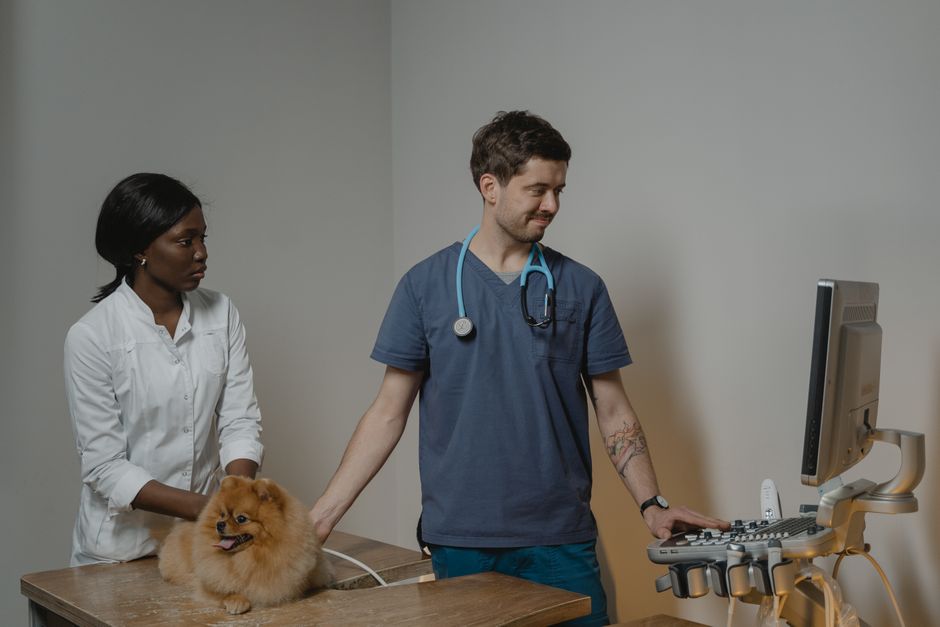
If your pet experiences any of the warning signs described above, prompt veterinary attention is essential. At Canyon Falls Veterinary Hospital, our team of veterinarians is equipped with advanced diagnostic tools, including an in-house diagnostic laboratory and digital radiology, to quickly assess and treat heatstroke, allergic reactions, bites, or injuries.
Heatstroke treatment involves immediate cooling, intravenous fluids, and ongoing monitoring for organ damage. Pets with severe allergic reactions or snake bites may require antihistamines, antivenom, oxygen therapy, and supportive care. Injuries from outdoor play or accidents are evaluated using digital radiographs and, when necessary, surgical intervention.
For pets suffering from thunderstorm anxiety, our veterinarians offer behavior consultations and can recommend tailored management plans. This may include safe prescription medications, calming supplements, or environmental modifications to help your pet cope with storms.
Preventing Summer Emergencies: Actionable Tips for Pet Owners
The best emergency is the one that never happens. You can take several proactive steps to keep your dog or cat safe through the summer months in Northlake.
Providing constant access to fresh, cool water and shade is critical. Never leave your pet in a parked car, even for a short time, as temperatures can rise to life-threatening levels within minutes. Plan walks or outdoor play in the early morning or late evening, when temperatures are lower, and always monitor your pet for signs of overheating.
Keep your yard free of standing water to discourage mosquitoes, and regularly check your pet for ticks or fleas after outdoor adventures. Avoid walking your dog in tall grass or brush where snakes and insects are common, and supervise cats who venture outside. If you use lawn treatments or gardening chemicals, keep pets off treated areas until they are dry and safe.
If your pet experiences storm anxiety, create a safe, quiet space indoors. White noise machines, pheromone diffusers, and familiar bedding can provide comfort. Gradual desensitization training and behavior consultation with our veterinary team may also help.
Stay current on preventive care, including vaccinations and parasite control, to reduce the risk of infectious diseases spread by insects or wildlife. To ensure your pet is protected, schedule a wellness and preventive care exam with our team before the summer season is in full swing.
When to Seek Veterinary Care: Knowing When It’s Serious
Some summer situations require immediate veterinary attention. If your pet is panting excessively and cannot cool down, collapses, is vomiting repeatedly, or loses consciousness, seek veterinary care without delay. Sudden swelling, facial puffiness, severe pain, or breathing problems after a bite or sting are medical emergencies.
Pets who have ingested toxic plants, chemicals, or show sudden weakness, tremors, or seizures also need prompt evaluation. If your pet’s storm anxiety leads to self-injury or destructive behaviors, or if you are unsure about the severity of their symptoms, contacting our veterinary team is always the safest choice.
At Canyon Falls Veterinary Hospital, our veterinarians are here to guide you through urgent decisions and provide the care your dog or cat needs. If you are ever unsure, do not wait—timely intervention can make all the difference.
Keeping Your Pet Safe All Summer: Compassionate Care in Northlake
As summer arrives in Northlake, staying vigilant and taking preventive steps can go a long way in avoiding emergencies for your pet. Recognizing early warning signs, understanding common local hazards, and maintaining regular checkups are keys to a safe and happy season. Remember that our veterinary team at Canyon Falls Veterinary Hospital is committed to providing comprehensive, compassionate care for your pet—whether you need guidance on summer safety, treatment for an emergency, or ongoing preventive services.
If you have concerns about your dog or cat’s health this summer or want to prepare with a thorough checkup, schedule an appointment with our knowledgeable veterinarians. Our modern hospital at 7251 Canyon Falls Dr, Suite 201, Northlake, TX 76226 welcomes pets from Northlake and surrounding communities. When searching for a veterinarian near me, trust our experienced team to keep your pet safe and comfortable throughout the summer months. To book your visit or ask about our preventive services, call us at (972) 559-9500 or visit our website.
Your pet’s comfort, safety, and well-being are always our top priority. Let us help you enjoy a worry-free summer together.
This blog is for informational purposes only and does not replace professional veterinary advice. If you believe your pet is experiencing a medical emergency, contact your veterinarian immediately.