Safe Pet Anesthesia: What Northlake Pet Owners Should Know


Safe Pet Anesthesia: What Northlake Pet Owners Should Know
If you’re a pet owner in Northlake or the surrounding communities, the thought of your dog or cat needing anesthesia can bring understandable worry. Whether it’s for a routine spay or neuter, a dental procedure, or a more advanced surgery, questions about anesthesia safety are among the most common concerns we hear at Canyon Falls Veterinary Hospital. Our veterinary team is dedicated to ensuring safe pet anesthesia for every procedure, giving families in Northlake peace of mind from the moment they walk through our doors. In this guide, we’ll explain how we protect your pet during anesthesia, the advanced monitoring and personalized protocols we use, and what you can expect before, during, and after your pet’s procedure. If you’re curious about our safety standards, you can also explore our detailed information on safe pet anesthesia at Canyon Falls Veterinary Hospital.
Recognizing When Anesthesia Is Needed for Your Pet
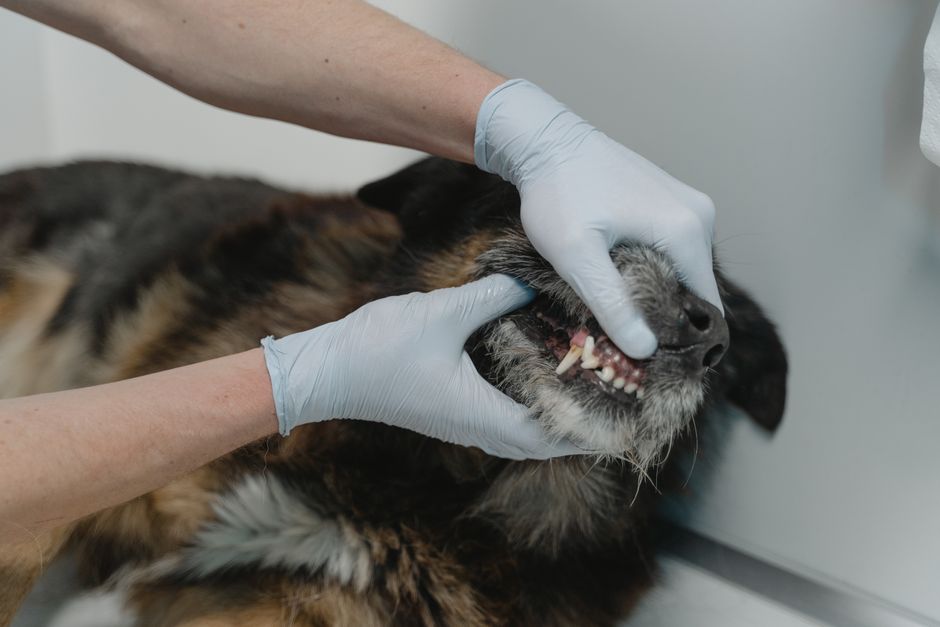
Many pet owners wonder when anesthesia is truly necessary. The need for anesthesia typically arises when your pet requires procedures that would be uncomfortable, stressful, or impossible to perform while they are awake. Common situations include spay and neuter surgeries, dental cleanings and tooth extractions, soft tissue or orthopedic surgeries, and some advanced diagnostic imaging that requires your pet to be perfectly still.
Signs that your pet may require an anesthetic procedure often start with a recommendation from your veterinarian after a physical examination or diagnostic testing. For example, a cat with severe dental disease may need extractions that can only be performed safely under anesthesia, or a dog with a torn cruciate ligament may need orthopedic surgery for pain relief and return to normal movement. If your pet is scheduled for a procedure at our hospital, rest assured that our veterinary professionals will discuss with you why anesthesia is needed and what alternatives, if any, exist.
Understanding the Safety of Pet Anesthesia
It’s natural to be concerned about the risks of anesthesia for your dog or cat. Fortunately, advances in veterinary medicine have made anesthesia safer than ever, especially in modern hospitals like Canyon Falls Veterinary Hospital. Our commitment to safe pet anesthesia means that every step of the process is tailored to your pet’s unique health profile and needs.
Why Anesthesia is Safer Today
Pet anesthesia safety has dramatically improved in recent years, thanks to better anesthetic drugs, advanced monitoring equipment, and individualized risk assessments. The days of “one size fits all” anesthesia are long gone. Today, our veterinary team carefully evaluates your pet before any procedure, considering age, breed, medical history, and any underlying health conditions. We use modern, short-acting anesthetics that are both effective and quickly cleared from your pet’s system.
What Makes a Hospital’s Anesthesia Protocol Safe?
Safe pet anesthesia involves several critical factors, including a thorough pre-anesthetic assessment, precise dosing of medications, constant monitoring, and careful post-procedure care. At Canyon Falls Veterinary Hospital, we take extra steps such as pre-anesthetic bloodwork to check for hidden risks, IV catheter placement for quick medication access, and the use of advanced monitoring tools like ECG, pulse oximetry, and blood pressure monitoring throughout the procedure. Our goal is to minimize risk at every stage, so your pet wakes up comfortably and safely.
How We Ensure Safe Pet Anesthesia at Canyon Falls Veterinary Hospital
Our veterinary professionals follow a comprehensive, evidence-based approach to anesthesia, combining the latest technology with a compassionate touch. Here’s what you can expect when your pet comes to us for an anesthetic procedure.
Pre-Anesthetic Assessment and Planning
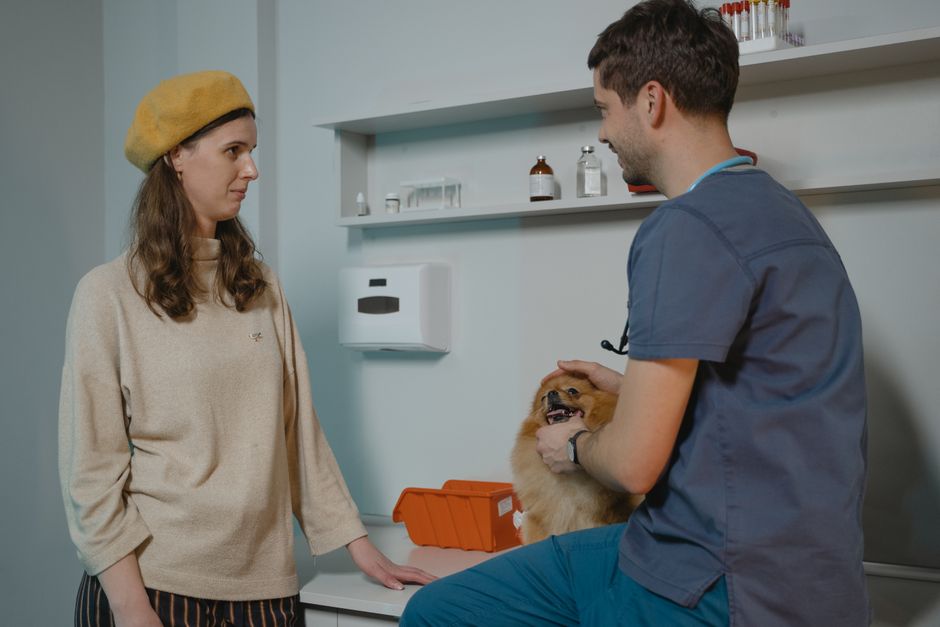
Before any anesthesia, your pet will have a thorough physical examination and pre-anesthetic bloodwork, which helps us detect any underlying conditions that could affect anesthesia safety. Additionally, we ask about your pet’s previous anesthetic experiences, allergies, and current medications. This information allows us to tailor the anesthesia plan for your pet’s specific needs and minimize any potential risks.
Advanced Monitoring and Personalized Care
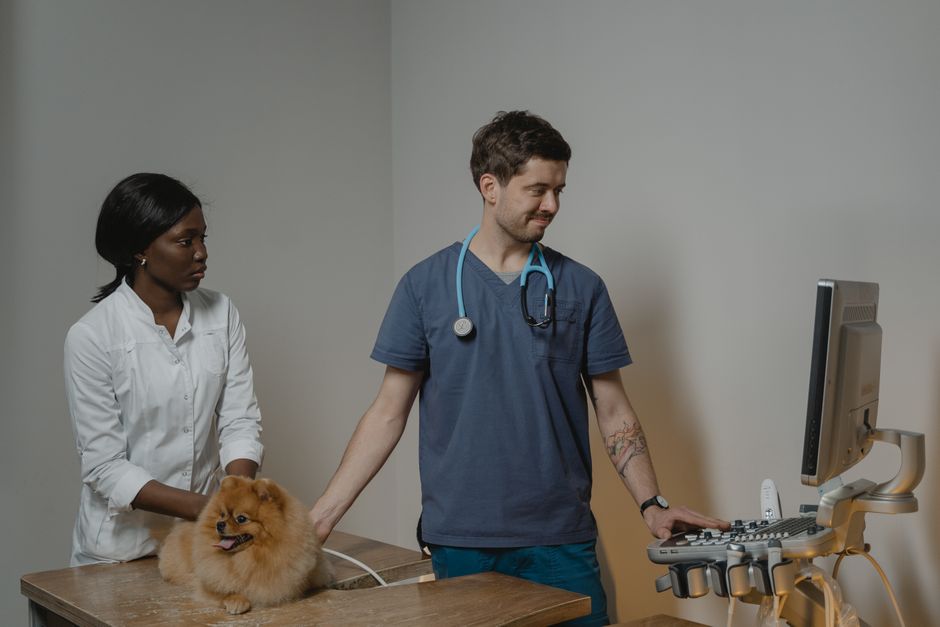
During every anesthetic procedure, our veterinary team uses state-of-the-art monitoring equipment to closely track your pet’s heart rate, breathing, blood pressure, oxygen levels, and temperature. A dedicated veterinary professional is assigned to monitor your pet at all times and make adjustments as needed for maximum safety and comfort. This continuous monitoring is vital for detecting even subtle changes, ensuring immediate intervention if necessary.
We also use warmers and fluid therapy to help maintain your pet’s body temperature and hydration, both of which are essential for a smooth recovery. Pain management is carefully planned before, during, and after the procedure, so your pet wakes up comfortably.
Modern Anesthetic Drugs and Techniques
Our protocols rely on the safest, most effective anesthetic drugs available in veterinary medicine. These medications are selected based on your pet’s health status and the type of procedure being performed. Short-acting anesthetics help your pet recover quickly, while precise dosing ensures just enough sedation for safety without unnecessary risk. Local anesthetics and nerve blocks may also be used for pain relief and to reduce the overall amount of anesthesia needed.
If your pet needs a specialized surgical procedure, such as a cruciate ligament repair or dental extraction, you can learn more about our approach and commitment to safety on our page about soft tissue and orthopedic surgery for pets.
How Pet Owners Can Help: Prepping Your Pet for a Safe Anesthesia Experience
You play an important role in your pet’s anesthesia safety. Following your veterinarian’s pre-procedure instructions is essential for minimizing risk and ensuring the best outcome.
Key steps typically include fasting your pet for a specific period before the procedure, which helps prevent complications while under anesthesia. Your veterinary team will provide clear instructions about when to withhold food and water. It’s important to inform us about any medications, supplements, or recent health changes, as these can impact anesthesia safety.
Before arriving at the hospital, make sure your pet is clean and calm. Bringing your dog or cat in a secure carrier or on a leash helps reduce stress and keeps your pet safe in the clinic environment. If your pet is particularly anxious, let us know; our team is trained in low-stress handling and can offer calming techniques or medications when appropriate.
Aftercare: What to Expect When Your Pet Wakes Up
Post-anesthesia recovery is a crucial part of the process. Most pets wake up within minutes to an hour after the procedure, but grogginess, mild disorientation, or temporary incoordination are common and usually resolve within a few hours. Our veterinary team will monitor your pet until they are alert, comfortable, and stable enough to go home.
At home, your pet may need rest and limited activity for a day or two depending on the procedure. Offer small amounts of water first, then food as recommended by your veterinarian. Watch for signs such as prolonged sleepiness, breathing difficulties, vomiting, or any unusual behavior, and contact our hospital if you notice anything concerning.
We provide detailed discharge instructions tailored to your pet’s needs, and our veterinary professionals are always available to answer your questions. Recovery time and post-operative care instructions vary by procedure, but our goal is to make the process as smooth and stress-free as possible.
When Should You Seek Veterinary Care?
If your pet is scheduled for surgery or another anesthetic procedure, it’s important to follow all pre- and post-anesthesia instructions. However, there are times when you should contact your veterinarian immediately. Signs to watch for after anesthesia include persistent vomiting, difficulty breathing, pale gums, weakness, collapse, or any behavior that worries you. Quick communication with your veterinary team can make all the difference in your pet’s recovery.
For pets who have chronic health conditions, are very young or elderly, or have had reactions to anesthesia in the past, extra precautions are always taken. Never hesitate to reach out if you have questions or concerns before or after your pet’s procedure. Our priority is your peace of mind and your pet’s safety, every step of the way.
Why Northlake Families Trust Canyon Falls Veterinary Hospital for Safe Pet Anesthesia
Choosing a veterinary hospital with advanced safety protocols is essential for your pet’s well-being. At Canyon Falls Veterinary Hospital, our team of experienced veterinarians and veterinary professionals are committed to the highest standards of safe pet anesthesia in Northlake. We blend compassionate care with cutting-edge technology in a warm, family-owned practice environment, so you and your pet feel supported from consultation to recovery.
Whether you’re preparing for a routine dental cleaning or a complex orthopedic surgery, you can trust that your dog or cat is in caring, capable hands. If you’re searching for a “vet near me” that prioritizes safety, comfort, and communication, our Northlake clinic is here for you.
Ready to learn more about our approach to safe pet anesthesia or schedule a consultation? Visit us at 7251 Canyon Falls Dr, Suite 201, Northlake, TX 76226, call us at (972) 559-9500, or explore additional details on safe pet anesthesia at Canyon Falls Veterinary Hospital. Our team looks forward to helping your pet receive the safest, most comfortable care possible—because your peace of mind matters as much as your pet’s health.